



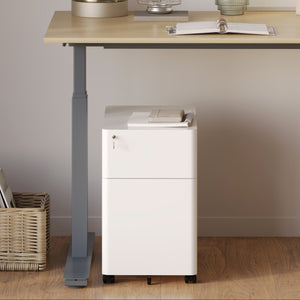






















Filing Cabinet Choices for Cleaner Workstation Planning
Cleaner workstation planning starts with filing storage that matches the desk, document volume, security needs, and daily workflow. Explore how cab...
Learn more
Visit quiz page to see how we makes it easy to create an inspiring workplace


Most office chairs feel fine for the first hour. Some even feel good for the first week. The real test comes later, when workdays stretch on, meetings stack up, and focus demands more from your body than you realize. An office chair that truly supports you all day does not just cushion your seat. It stabilizes your posture, reduces strain, and quietly protects your energy from morning to evening. This guide breaks down what makes a chair supportive over long hours, how seating design affects comfort and productivity, and how to choose seating that works with your body instead of against it.
Many chairs are designed to impress at first sit. Soft padding, sleek design, and wide seats can feel inviting. Over time, however, lack of structure shows up. Lower backs collapse. Shoulders creep forward. Muscles tense just to stay upright.
True all-day support comes from structure, not softness. A chair must support the spine’s natural curve, distribute weight evenly, and allow movement without losing alignment. Without these elements, discomfort builds quietly, hour by hour.
A supportive chair keeps the spine in a neutral position without effort. This reduces the need for muscles to compensate and prevents fatigue from setting in too early.
Key features of posture-supportive seating include:
consistent lower back support
stable seat depth that does not cut circulation
balanced pressure across hips and thighs
a backrest that moves with you, not against you
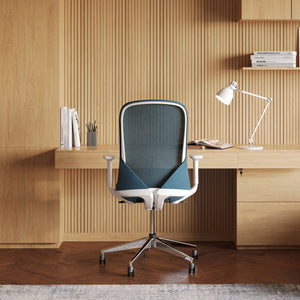
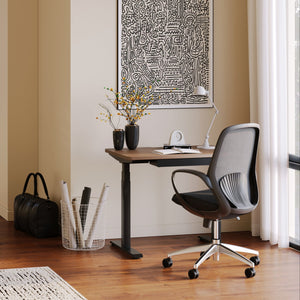
For those sourcing locally, a California Office Chair designed for extended use helps maintain alignment throughout long workdays.
When a chair fails to support posture, the brain works harder just to stay comfortable. This reduces concentration and increases mental fatigue. Over long days, small discomforts add up to lost productivity.
Supportive seating helps by:
reducing the need to shift constantly
minimizing muscle tension
allowing longer focus periods
preserving energy late in the day
A chair that supports you properly becomes invisible. You stop thinking about sitting and stay focused on work.
Even the best chair cannot fully support you if the rest of the workspace works against it. Desk height, screen position, and movement all influence how effective seating feels.
This is why seating should always be considered as part of a complete setup, not a standalone solution.
Sitting all day compresses the spine and slows circulation. Alternating between sitting and standing relieves pressure and helps muscles stay engaged.
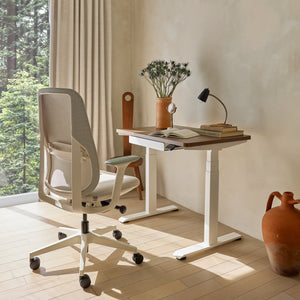
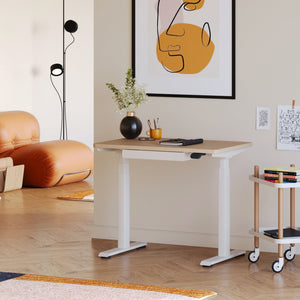
A thoughtfully designed standing desk supports this balance, allowing you to change posture without disrupting workflow.
Benefits of sit-stand flexibility include:
reduced lower back pressure
improved circulation
less stiffness by evening
steadier energy levels
A chair can only support posture properly when paired with a desk at the correct height. When the desk is too high, shoulders lift. When it is too low, the body leans forward.
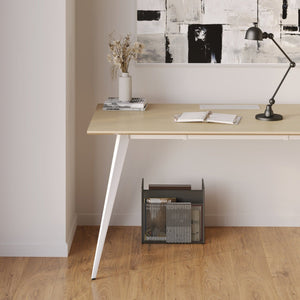
A stable office desk provides the surface needed to align arms, shoulders, and spine correctly, allowing the chair to do its job.
|
Chair Feature |
Purpose |
Long-Term Benefit |
Best For |
|
Lumbar support |
Spine alignment |
Reduced back strain |
Long sitting |
|
Adjustable seat |
Fit customization |
Less pressure buildup |
Extended days |
|
Stable base |
Balance |
Improved posture |
Focused work |
|
Arm support |
Shoulder relief |
Reduced neck tension |
Typing tasks |
Guidance from ergonomic chair research consistently shows that proper support reduces fatigue and discomfort during extended work.
When arms hang unsupported, shoulders tense to compensate. Over time, this leads to neck strain and upper-back fatigue. Adding ergonomic arm support helps keep shoulders relaxed and wrists aligned during long typing sessions.
Helpful seating details include:
arm support for typing
smooth recline resistance
breathable materials
stable seat height
These features quietly protect comfort without drawing attention.
No one sits the same way all day. Energy dips, tasks shift, and posture changes. A chair that adapts supports the body through these changes instead of locking it into one position.
A supportive ergonomic chair allows micro-adjustments that reduce strain and maintain alignment as fatigue sets in. This adaptability is key to true all-day support.
As workdays stretch longer, the body naturally begins to tire. Muscles that help maintain posture weaken slightly as hours pass, causing subtle shifts in alignment. Without proper support, the lower back rounds, the head moves forward, and pressure builds in the hips and shoulders.
A chair designed for all-day use anticipates this fatigue. Instead of losing effectiveness over time, it continues to support the spine as muscles relax. This is what separates chairs that feel good briefly from those that remain comfortable late into the afternoon.
A chair that supports you all day should feel the same at 4 p.m. as it did at 9 a.m. It should protect posture without demanding attention and support productivity without becoming a distraction.
Before choosing an office chair, use this checklist:
Does it support your lower back consistently?
Can it adapt as your posture changes?
Are your shoulders relaxed while typing?
Does it work with your desk height?
Can you sit comfortably for hours without fatigue?
When seating supports your body properly, long workdays feel manageable, focused, and far less draining.


You have unlocked free shipping!
You're saving $29 and unlocked free shipping!
Leave a comment