



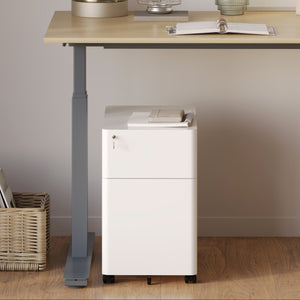






















Filing Cabinet Choices for Cleaner Workstation Planning
Cleaner workstation planning starts with filing storage that matches the desk, document volume, security needs, and daily workflow. Explore how cab...
Learn more
Visit quiz page to see how we makes it easy to create an inspiring workplace


Living rooms have evolved into blended environments where people relax, work, stream content, read, and manage daily tasks. This shift has made the coffee table a central touchpoint in everyday activity. Although convenient, coffee tables are rarely designed around human biomechanics. Their low height, fixed surface level, and position relative to sofas can encourage postures that create gradual strain on the neck, shoulders, hips, and lower back. These patterns develop slowly, but they often become recurring discomfort long before the cause is recognized.
Many people shift between the sofa, the floor, or a lounge chair when using laptops or tablets. These movements create unpredictable posture changes that repeatedly pull the spine forward. A coffee table encourages forward-reaching behavior, which shortens the front body, weakens the upper back, and compresses the hips. These are subtle changes, but their cumulative effect becomes noticeable when tasks require sustained focus.
This is why supportive seating becomes a critical part of the equation. Choosing seating that encourages upright posture can counteract the biomechanical challenges of low tabletops. A piece like a supportive sculpted chair design provides a more grounded seating posture than soft sofas, making it easier to engage with a coffee table without collapsing forward.
Early signs of strain often show up as shoulder tightness, lower back fatigue, sensitive knees from leaning forward, and tension around the base of the skull. Recognizing these patterns is the first step toward building a healthier living room environment.
Ergonomics, at its core, is the study of how environments shape human movement. Although coffee tables are traditionally decorative, they can become healthier to use by applying foundational ergonomic concepts.
A neutral spine supports the curves of the back without strain. Coffee tables, however, invite forward bending. The soft cushion depth of most sofas allows the pelvis to tilt backward, flattening the lumbar curve. Once the pelvis shifts, the whole spine follows, leading to an unsupported slouch.
Deep cushions push the hips below the knee line, making it harder to maintain upright alignment. Soft cushions reduce resistance and allow the torso to sink, especially when leaning toward a coffee table.
The lower the table, the farther the upper body has to travel. Even a few inches of difference can significantly increase the angle of forward bending, which magnifies strain on the neck and upper back.
Healthy posture is supported by predictable joint angles. For example, elbows ideally bend between 90 and 120 degrees during writing or typing, but coffee tables force elbows much lower, creating floating arm positions that fatigue quickly.
Elbows that rest too low place the shoulder girdle in constant depression, which irritates the neck muscles. Coffee tables rarely meet elbow height comfortably, which is why complementary surfaces become important for alignment.
Sofas reduce knee and hip angles, compressing the upper legs and limiting lower body stability. Chairs with firmer seats maintain these angles more effectively.
People often lean on their knees or thighs while using a coffee table. This type of bracing shifts pressure into the joints rather than distributing it through the core. Overreach also places strain on the ribs and shoulders, especially during tasks that require repeated forward extension.
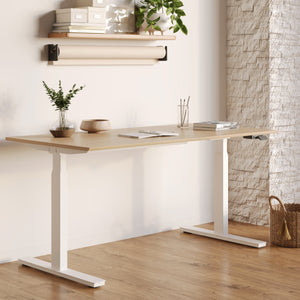
A more adaptable workspace can help reduce this strain. Purpose-built surfaces such as the full range of home desk styles provide more stability, height options, and predictable reach zones for daily tasks.
Coffee table ergonomics begin with spatial design. The distance between seating and the table determines whether a person can remain upright or must repeatedly reach forward.
A comfortable reach zone typically keeps the elbows near the ribcage instead of extended out in front. When a coffee table sits too far from a sofa, individuals must slide forward or stretch their torsos, which undermines spinal alignment.
The height difference between the seat and the tabletop affects how much the user leans. Lower tables increase the work needed to bring the arms downward, which disrupts shoulder and neck stability.
Low surfaces require the entire torso to pitch forward. Over time, this posture fatigues the small stabilizing muscles around the spine.
When the arms rest on the knees, the body collapses toward the surface. This position may feel like relief at first, but it creates tension between the shoulder blades and compresses the lower back.
Coffee tables need clearance around them so a user can shift positions without twisting or angling their body awkwardly. Without this space, habits develop that involve leaning to one side or rotating the spine to reach objects.
Using an additional fixed-height surface like a modern fixed-height desk option in the same room can dramatically improve posture by providing an alternative location for tasks that require sustained focus.
Coffee tables are expected to accommodate working, dining, reading, and device use, but these tasks require ergonomic support that low surfaces cannot consistently provide.
When the table is below elbow height, the arms must travel downward, which pulls the shoulders forward. This position demands compensatory lifting from the upper back and neck muscles, creating cycles of tension.
An unsupported posture causes distracting discomfort. The body uses energy to hold itself upright, and that effort competes with mental tasks. People often feel tired earlier when working at a coffee table because of these physical demands.
Replacing long work sessions with alternatives encourages healthier behavior.
Introducing a secondary work surface lets users transfer tasks that require precision or longer focus.
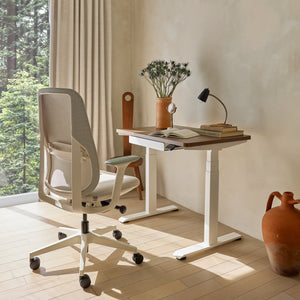
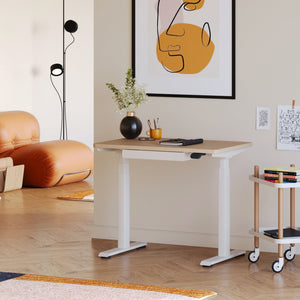
An example is an adjustable-height workstation, which can be positioned for upright posture and balanced joint alignment.
Changing positions interrupts static posture cycles. Even shifting from seated to standing for short bursts can reset spinal alignment and improve comfort.
Device use creates unique ergonomic challenges because screens and keyboards require different alignment strategies.
Low screen placement forces the neck to angle downward. A steeper angle increases loading on the cervical spine. Elevating screens even slightly reduces tension.
Typing at a low height causes the wrists to bend upward, which irritates the forearms. Writing on low surfaces forces the upper body to hover unsupported.
A multi-layer setup helps balance comfort and convenience.
Small position adjustments maintain circulation and prevent stiffness. Micro movements include shifting legs, relaxing shoulders, or gently repositioning the pelvis.
Lightweight platforms, cushions, or compact risers can be introduced to raise screens or materials to a healthier viewing height. A portable tool such as a compact height-boosting surface can create a more ergonomic setup during device use.
Coffee table ergonomics are directly influenced by the seating paired with it.
When hips drop too low, the lumbar curve flattens. Firmer seating maintains structure around the pelvis, making it easier to keep the spine aligned.
Low seating closes the hip angle and forces the torso to round. Over time, this posture shortens the front body and weakens the stabilizers in the upper back.
Living room seating is built for comfort, not extended tasks. Structured chairs offer more consistent support.
Soft backing allows the spine to collapse. A structured backrest encourages vertical alignment and prevents excessive rounding.
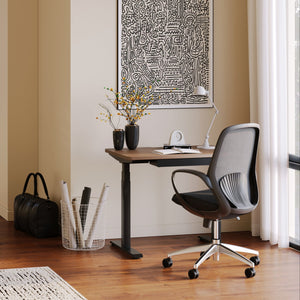
Supportive seating helps counteract the challenges of low surfaces. Ergonomic office chairs maintain predictable alignment and offer adjustability for different tasks.
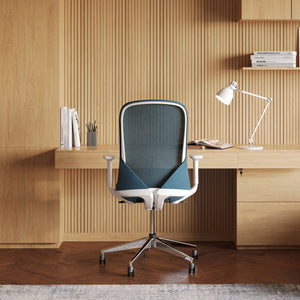
A posture friendly choice such as an ergonomic office chair with adjustable support offers users the stability needed for focused tasks, especially when paired with low surfaces.
Another option like a structured office chair designed for posture stability provides consistent support for maintaining upright alignment while working near a coffee table.
Incremental enhancements can transform the comfort of everyday living spaces.
Risers, books, trays, or modular accessories can elevate screens or reading materials, reducing the need to tilt forward.
Firm pillows or wedge cushions can position laptops and books at healthier angles, making wrist posture more neutral.
Gentle position shifts prevent stiffness and keep the body engaged.
Short breaks help realign the spine and relax the shoulders.
Subtle posture variety minimizes repeated strain patterns.
Ergonomic recommendations from trusted institutions help shape healthier home environments.
These principles establish comfortable ranges for posture and alignment, helping users reduce strain even in informal environments.
Although coffee tables are informal, many tasks performed on them mirror workplace activities. Applying professional guidelines helps users make better decisions about how they position their bodies.
Organizations publish guidance to help people create safer work habits at home. Resources such as federally published ergonomics guidance provide useful benchmarks for healthy alignment and movement.
Coffee table ergonomics improve when the entire living room is considered as an integrated environment.
Spacing, seating variety, and surface placement influence how often users lean, twist, or reach. A thoughtful layout minimizes strain.
Compact spaces benefit from multifunctional pieces that support both relaxation and light work without encouraging unhealthy posture.
Interior design and ergonomic function can coexist when chosen intentionally.
Minimal layouts reduce clutter and encourage more intentional placement of seating and surfaces.
Pieces that adapt to different activities help maintain comfort throughout the day.
Small choices practiced consistently can transform long term comfort. When people bring awareness to how they sit, reach, and move, they start shaping healthier daily patterns that align with modern living.


You have unlocked free shipping!
You're saving $29 and unlocked free shipping!
Leave a comment