



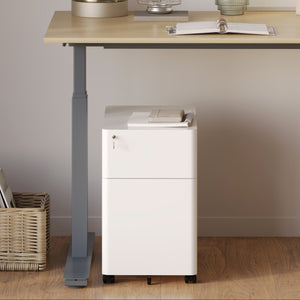






















Filing Cabinet Choices for Cleaner Workstation Planning
Cleaner workstation planning starts with filing storage that matches the desk, document volume, security needs, and daily workflow. Explore how cab...
Learn more
Visit quiz page to see how we makes it easy to create an inspiring workplace


The height and firmness of your seating play a major role in keeping your body safe and comfortable. Poorly chosen seats can cause strain in the knees, hips, and lower back. They also increase the risk of falls, especially when standing up or lowering yourself into a chair. Choosing seating with supportive features reduces everyday discomfort and helps prevent accidental slips. Whether you are designing a home office, a living room, or a quiet reading space, the right chair height and firmness make daily movement safer and easier.
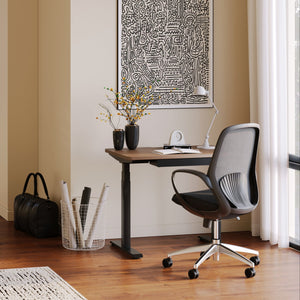
A seating foundation should support your body naturally. An option like a California Ergonomic Chair provides height and firmness settings that help reduce strain on joints.
Helps maintain proper posture
Reduces pressure on knees
Makes standing and sitting smoother
Supports the hips evenly
Keeps the spine aligned
Choose chairs with moderate firmness to avoid sinking too deeply, which causes unnecessary strain when standing.
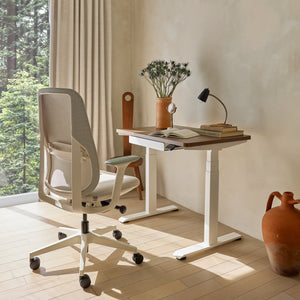
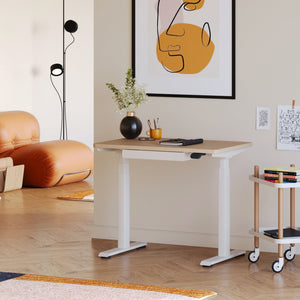
Seats with adjustable height allow you to tailor your seating position based on your body’s needs. A versatile piece such as a standing desk supports different seating heights and encourages gradual posture shifts.
Keeps knees at a natural angle
Prevents leaning too far forward
Reduces pressure in the thighs
Improves circulation
Creates safer transitions
Your hips should ideally be level or slightly above your knees when seated.
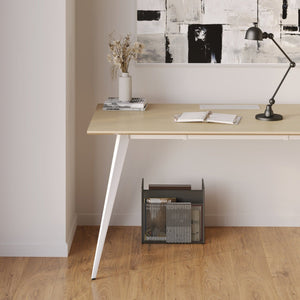
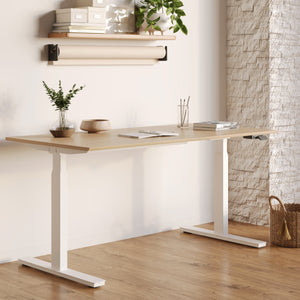
A stable work surface helps create a safe and ergonomic setup. An office desk offers structure and contributes to a setup where your seating height naturally aligns with the workspace.
Maintains comfortable reach
Reduces shoulder strain
Supports upright posture
Helps position lighting correctly
Enables consistent sitting habits
Pair your desk with seating that allows your elbows to bend at a comfortable ninety degrees.
A short ergonomic chair study highlights the importance of using proper seating height and firmness to protect spine health and reduce fatigue.
Firm seats provide better stability
Correct height enhances balance
Proper posture reduces injury risk
Supportive seats lower strain
Comfortable positioning improves focus
Evaluate your current chairs and adjust height or padding to support daily stability.

Accessories can help seniors, professionals, and anyone who spends long hours sitting. Supportive additions such as an Ergonomic Arm create a foundation for steady posture.
Prevent shoulder strain
Make sitting more comfortable
Reduce fatigue during long tasks
Provide balance when standing
Support arms during writing or typing
Place arm accessories where they can help guide smooth transitions between sitting and standing.
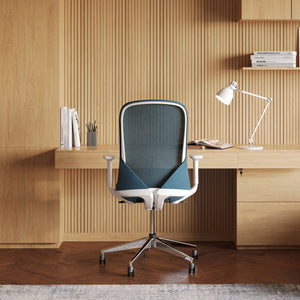
The firmness of a chair influences how safe and comfortable it is. A well-designed office chair balances cushioned comfort with structural support, allowing your body to remain stable.
Difficulty standing up
Poor posture
Hip sinking
Pressure in lower back
Unstable balance
Discomfort in hips
Tingling in legs
Limited movement
Increased pressure points
Choose a seat that keeps your body lifted but cushioned, allowing easy leg movement.
Proper adjustments help align your body with your workspace.
Feet should be flat on the ground
Knees should bend naturally
Hips should stay level
Armrests should allow relaxed shoulders
The seat should not slope backward
The right posture reduces tension.
Keep your spine upright
Relax your shoulders
Adjust lumbar support to your curve
Keep your elbows close to your body
Maintain balance when shifting positions
Consistency helps prevent muscle strain.
Shift positions gently
Avoid sudden sitting motions
Maintain firm footing when standing
Use armrests for smooth transitions
Avoid leaning heavily on one side
Seat depth helps determine how well your thighs and lower back are supported. Proper depth encourages healthier posture.
Supports full thigh length
Reduces pressure behind knees
Prevents slouching
Improves leg circulation
Protects lower back
Choose chairs that allow two to three fingers’ distance between the seat edge and the back of your knees.
|
Feature |
Ideal Specification |
Why It Helps |
|
Seat height |
Hips equal or above knee level |
Prevents strain |
|
Firmness |
Medium |
Supports stable seating |
|
Seat depth |
2 to 3 finger gap |
Protects legs and posture |
|
Back support |
Natural spine curve |
Reduces fatigue |
|
Arm support |
Level with elbows |
Helps transitions |
Your seating area should feel safe from every angle. Clear pathways reduce the risk of collisions and accidents.
Keep walkways open
Avoid sharp edges
Ensure lighting is consistent
Keep floor clear
Place seating near supportive surfaces
If someone needs to step around a bulky item, the seating layout is too tight.
Medium firmness
Stable back support
Natural seat height
Clear walking paths
Good lighting
Supportive arm accessories
Proper seat depth
Gentle posture shifts
Balanced seating placement
Clean floor space
A seating arrangement that focuses on safety prevents falls and reduces muscle discomfort. Properly adjusted seating helps align the body with daily tasks.
Keep heavy furniture on the perimeter
Place main seating in central areas
Avoid overfilling corners
Choose balanced colors
Maintain open movement
Pair your chair with soft but stable textures around the space to improve ease of movement.

Safe seating is not only about comfort. It supports your daily movement, reduces joint strain, and encourages confident transitions. By choosing the right height, firmness, and alignment, you create a seating setup that protects your body and makes every moment more comfortable. Thoughtful placement, supportive accessories, and proper posture help prevent falls and strain, making your living and working spaces safer and more enjoyable.


You have unlocked free shipping!
You're saving $29 and unlocked free shipping!
Leave a comment