



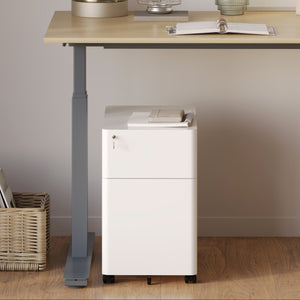



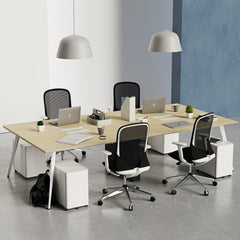
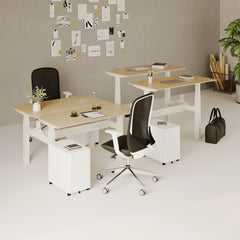
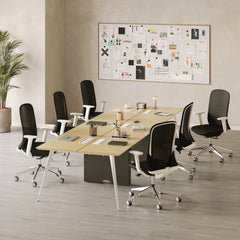


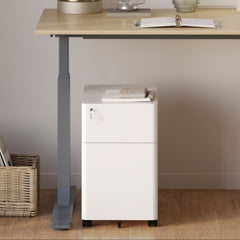


Filing Cabinet Choices for Cleaner Workstation Planning
Cleaner workstation planning starts with filing storage that matches the desk, document volume, security needs, and daily workflow. Explore how cab...
Learn more
Visit quiz page to see how we makes it easy to create an inspiring workplace


Some pieces of furniture lose value the moment they enter your home, but others become more treasured with time. High-quality designs, thoughtful craftsmanship, and durable materials help certain items age gracefully instead of showing wear. When a piece gains value, it offers financial worth and long-term utility. Understanding which furniture pieces can appreciate helps you build a home filled with lasting style and practical investment. This guide explores how to identify furniture that holds or increases value and how to choose items that stay beautiful and functional for years.
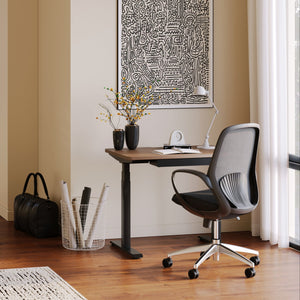
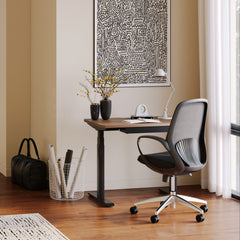
A high-quality foundational item often becomes an investment piece. An Office Table California sets the tone for durability, craftsmanship, and long-term performance.
Establishes the room’s visual anchor
Offers versatility across design styles
Supports heavy daily use
Helps organize your space
Maintains a consistent role in the home
Look for thick surfaces, solid hardware, and materials that resist age-related wear.
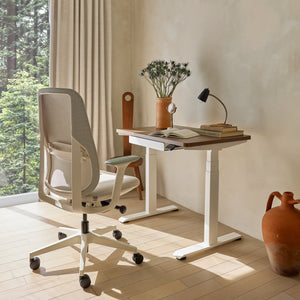
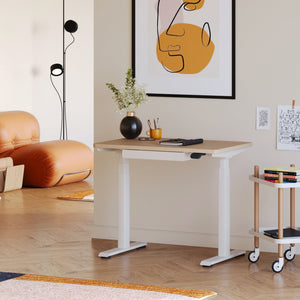
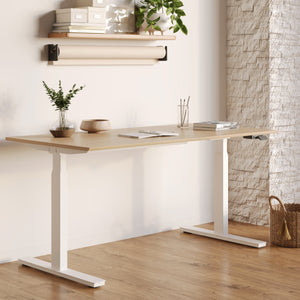
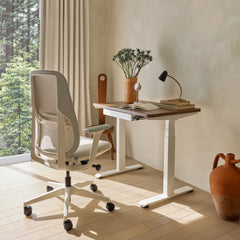
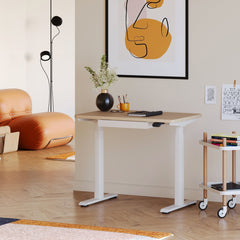
Furniture that adapts often gains value because it remains relevant even as your needs change. A height-adjustable surface like a standing desk offers functionality that becomes more useful over time.
Support multiple activities
Fit a wide range of room layouts
Stay useful as lifestyles shift
Improve daily comfort
Offer long-term ergonomic benefits
Choose adjustable items with secure locking mechanisms to maintain value.
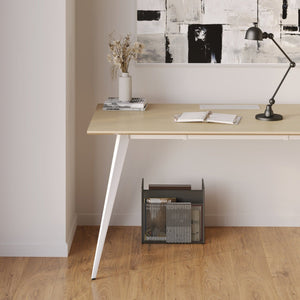
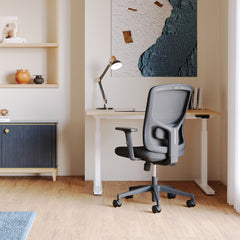
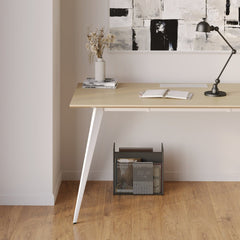
Stability is a major factor in determining whether furniture will gain or hold value over time. A sturdy surface like an office desk maintains functionality and appeal for years.
Firm legs that do not wobble
Weight-bearing capability
Balanced proportions
Thick materials
Scratch-resistant surfaces
The more stable your desk feels, the longer it will hold its perceived value.
A short study on furniture judgment and use highlights how consumers view stability, craftsmanship, and material longevity as primary value indicators.
High-quality materials increase longevity
Solid construction improves safety
Timeless shapes maintain relevance
Users appreciate durability over trends
Long-term function builds trust
Choose timeless silhouettes over trendy shapes to ensure lasting appeal.

Small enhancements can increase the functional value of furniture. A supportive addition such as an Ergonomic Arm adds comfort, posture support, and daily usability.
Improve comfort
Protect joints during repeated use
Enhance the longevity of other furniture
Reduce wear and tear
Upgrade an existing piece
Choose accessories with durable materials to match the long lifespan of investment furniture.
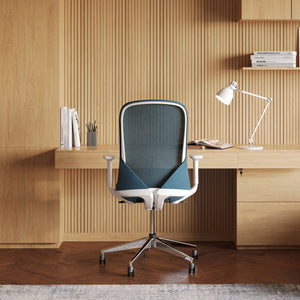
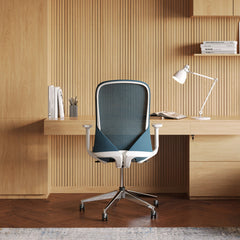
A long-lasting seating option improves the value of your space. A well-supported office chair maintains firmness and structure even after years of use.
Balanced cushioning
Ergonomic structure
Durable upholstery
Strong frame
Adjustable parts
Avoid overly soft cushions, which break down faster and lose support over time.
Solid wood is one of the most common materials that appreciates over time. When cared for properly, it becomes richer and more beautiful with age.
Visible grain patterns
Thick boards instead of veneer
Solid joinery
Refined finishes
Minimal warping
Furniture with high-quality metal components often remains structurally sound for decades.
Powder-coated finishes
Even texture
Rust-resistant surfaces
Smooth hardware
Balanced thickness
Some fabrics wear beautifully over time, becoming softer without losing durability.
Tight weave
Colorfast dyes
Minimal pilling
High thread count
Resistant to stretching
Craftsmanship influences durability, functionality, and beauty. Well-made pieces remain valued across generations because they continue to perform.
Smooth seams
Balanced proportions
Hidden hardware
Durable joints
Consistent finishing
Move the furniture slightly. If it feels solid and stable, it likely has strong craftsmanship.
|
Feature |
Why It Matters |
Example |
|
Solid materials |
Resist wear |
Wood, metal |
|
Stable construction |
Enhances safety |
Well-built legs |
|
Timeless design |
Stays relevant |
Minimalist shapes |
|
Quality upholstery |
Lasts longer |
Tight-weave fabrics |
|
Adjustable parts |
Increase usability |
Moving components |
Color and texture influence how furniture ages visually. Even pieces made with durable materials lose appeal if colors fade or fabrics fray.
Stick to warm neutrals
Choose tones that age evenly
Avoid chemically dyed brights
Look for fade-resistant finishes
Pair muted shades with natural materials
Pair a smooth surface with a textured one for a timeless balance.
Shape determines how well furniture transitions through different home stages and styles. Classic silhouettes stay relevant much longer than trendy shapes.
Soft curves
Balanced proportions
Simple lines
Minimal ornamentation
Adaptable structure
If a piece looks stylish in multiple styles, it likely holds long-term value.
Solid wood construction
Balanced shape
High-quality upholstery
Strong metal hardware
Consistent finishing
Adjustable components
Timeless design
Stable structure
Functional flexibility
Easy maintenance
Furniture that gains value does not simply avoid damage over time; it improves with use. Natural materials develop character, while strong craftsmanship prevents structural wear.
Smooth patina
Even fading
Sturdy joints
Stable movement
Reliable surfaces
Choose materials that are known to age naturally, such as wood, linen, and metal.

The most valuable furniture pieces blend beauty with strength. When a piece retains its shape, texture, and usefulness after many years, it becomes more desirable. Choose items with solid materials, stable construction, and timeless silhouettes. Combined with reliable accessories and ergonomic features, your furniture becomes an investment you enjoy daily and appreciate over time.


You have unlocked free shipping!
You're saving $29 and unlocked free shipping!
Leave a comment