































Filing Cabinet Choices for Cleaner Workstation Planning
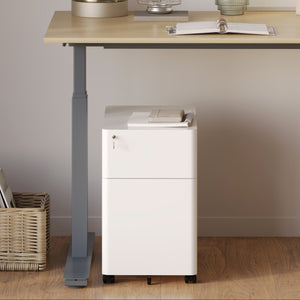
Cleaner workstation planning starts with filing storage that matches the desk, document volume, security needs, and daily workflow. Explore how cab...
Learn more

Visit quiz page to see how we makes it easy to create an inspiring workplace


Selecting a desk with a cable management tray has become essential for maintaining a functional and visually balanced workspace. As workloads shift between digital tools, peripheral equipment, communication devices, and environmental accessories, the number of cables required in a daily workflow continues to increase. When cables are unmanaged, they disrupt the aesthetic clarity of a workspace and interrupt practical efficiency. A desk equipped with a well-designed tray brings structure to this otherwise chaotic environment and provides a foundation for healthier, safer, and more predictable work habits.
Research consistently highlights that environments filled with visual distractions elevate cognitive load. Cables that pool beneath a desk or sprawl across a work surface draw attention away from essential tasks and create a constant sense of disorder. This noise affects decision making, reduces spatial efficiency, and interrupts the natural rhythm of workflow. Tangled cables also contribute to heat buildup around power adapters, which can disrupt device performance. By contrast, a thoughtful cable tray positions wires in dedicated channels so the desk surface remains free of clutter.
Cables that hang loosely from the back or underside of a desk can interfere with leg movement, leading to subtle yet persistent ergonomic strain. When feet or knees make contact with hanging cords, it forces posture adjustments that accumulate over time. Poor cable routing may also trap wires against mechanical joints or desk edges, which leads to frayed insulation or unreliable connections. These hazards increase the risk of overheating and tripping. Maintaining proper routing is also consistent with general workstation principles referenced in OSHA’s ergonomic safety guidance, which emphasizes clear paths and reduced physical strain in the work area.
Today’s work environments reflect a blend of remote, mobile, and office-based setups. This shift has placed new emphasis on flexibility and simplicity. Clean lines, minimal components, and easy-to-reconfigure setups are preferred across a wide range of workspace styles. A cable management tray supports these values by providing a structured, adaptable channel that accommodates the evolving mix of devices used for hybrid workflows. Instead of committing to complex cable modifications, workers can easily adjust configurations while keeping their spaces visually grounded and intentionally designed.
Selecting the right desk requires understanding how the tray integrates with both the desk frame and the user’s equipment. The quality and structure of the tray determine how successfully it can manage modern device loads.
Cable trays vary considerably in depth, width, and material design. Some trays prioritize open structures that release heat and simplify access to power bricks, while others offer partially enclosed channels that conceal wiring more fully. A larger tray accommodates bulky adapters and longer power strips, while a slimmer tray supports minimal equipment. Adequate ventilation is essential because power bricks require space for consistent airflow. Without it, heat concentrates inside the tray, which may shorten device lifespan or reduce performance reliability.
A sturdy cable management system relies on dependable materials and mounting hardware. Metal trays generally offer stronger support and maintain shape over time without sagging. The mounting style is equally important. Integrated mounts that form part of the desk structure typically provide the most stability, but high quality bolt-on brackets can offer equal performance when properly installed. Weight capacity matters because modern workstations often include multiple adapters, USB hubs, ethernet cables, lighting systems, and charging equipment.
Cable grommets act as functional transitions between the desk surface and the tray. They provide dedicated openings for wires so devices can be positioned naturally on the work surface without creating tangled paths across the desktop. When paired with clean routing channels, these openings help control cable movement and protect wires from pinching.
Even with a strong cable tray, some setups require finer control over routing. This is especially true for multi-monitor configurations or desks placed away from walls. Accessories such as cable clips, sleeves, or adhesive brackets are useful for shaping the direction of wire travel. A tray works best when supported by coordinated routing tools. For example, under-desk cable routing accessories help guide wires smoothly into the tray without strain or imbalance.
Different desk formats provide varying levels of compatibility with cable trays. Understanding these categories ensures chosen furniture aligns with the intended workspace setup.
A stationary desk often provides exceptional stability for cable trays because it lacks moving components. Users who prefer a consistent working height may find that this format offers straightforward tray integration and predictable routing paths. A structured design like the traditional office desk design supports cable containment without requiring adjustments to accommodate mechanical lifts or motors.
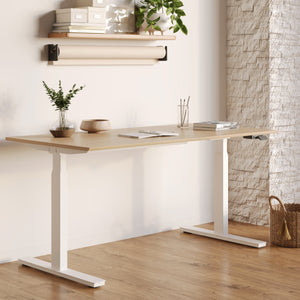
Standing desks elevate the complexity of cable management because the desk surface moves vertically. Cables must follow this movement without stretching, binding, or catching. When selecting a standing desk with a cable tray, the tray must be positioned in a way that supports fluid cable travel. It is equally important to leave sufficient slack to allow the full height range of the desk. A model such as an adjustable-height desk option shifts the emphasis toward cable flexibility and vertical pathway control.
Smaller workspaces require furniture that maximizes usable surface area while reducing unnecessary volume. Compact desks may provide narrower or shorter tray systems, but they still deliver essential organizational structure. A compact standing desk format offers practical support for cable containment in rooms where space management is a priority.
Cable trays gain versatility when paired with complementary accessories that refine cable routing and improve organization.
On height adjustable desks, cables must travel vertically with minimal tension. A dedicated support accessory such as a vertical cable spine organizer contains lines inside a flexible column that expands and contracts with desk movement. This protects wires from stress and prevents sudden pulls that could loosen connections or damage ports.
Power bricks generate heat, and some docking stations require active ventilation. When storing these devices inside or above a cable tray, spacing them apart helps maintain consistent airflow. A well designed tray will offer room for horizontal placement, which reduces stacking and gives adapters space to disperse heat.
Small organizational tools help refine cable paths and keep lines separated. Velcro straps, adhesive clips, and brackets prevent wires from slipping into the wrong channels or migrating into leg space. These tools should be used sparingly to avoid restricting future adjustments but strategically to maintain cable clarity.
Cable management affects more than desk structure. It shapes how a user interacts with their chair and influences seated posture throughout the workday.
Loose cables create obstacles in the movement range beneath the desk. When knees or feet meet hanging wires, users often shift posture to avoid pressure on the cables. This adjustment repeats throughout the day and leads to inconsistent ergonomic alignment. A proper tray removes cables from the leg zone, allowing the user to sit naturally while maintaining uninterrupted chair mobility.
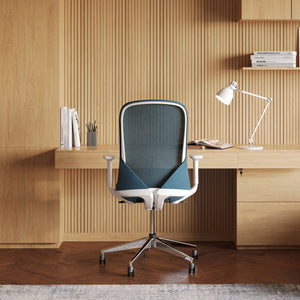
Seating plays a foundational role in workstation design. Chairs with structured back support help maintain neutral spine posture and keep the user aligned with the desk. Clean routing ensures that the chair can move freely without colliding with cables or pulling wires. Seating options such as the Novo ergonomic seating option and the Onyx ergonomic seating model complement organized desk setups by preventing disruption during posture adjustments.
The following considerations guide users through the selection process in a structured and practical sequence.
Understanding the number of cables and types of devices in use allows accurate planning for tray capacity.
Primary equipment such as monitors, computers, and docking stations dictates the core tray requirements. Secondary devices such as lighting tools, chargers, and audio accessories add layers of routing complexity.
Future additions to the workstation should be accounted for early. A slightly larger tray may accommodate more devices later without requiring upgrades.
Cables travel between outlets, the desk surface, and peripherals. The desk should fit naturally within this flow.
Longer distances require more slack, and outlets positioned behind furniture may necessitate angled or extended routing paths.
Standing desks must support full height transitions without pulling cables against motors or edge surfaces.
A high quality tray should remain stable while offering convenient access for adjustments.
Solid metal trays with reinforced brackets typically provide long term reliability. Fasteners should remain tight without shifting.
Removable trays offer easier maintenance, while fixed trays provide a more integrated look and increased stability.
Users can model cable paths visually to evaluate spacing, reach, and load distribution. This step confirms that devices can connect comfortably without tension or clutter.
Workstation design continues to shift toward cleaner layouts, more adaptive configurations, and user centered ergonomics. Integrated cable trays enable these innovations by simplifying electrical organization and reducing visual complexity. They support broader movements toward modular furniture, mobile work practices, and intentional design choices that encourage healthier habits. As hybrid working grows and equipment needs diversify, cable trays will remain foundational components in building workspaces that feel balanced, efficient, and enduring.


You have unlocked free shipping!
You're saving $29 and unlocked free shipping!
Leave a comment