







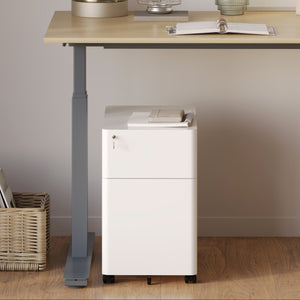








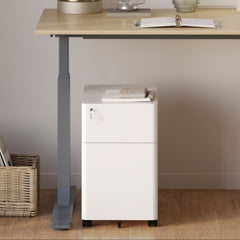




Filing Cabinet Choices for Cleaner Workstation Planning
Cleaner workstation planning starts with filing storage that matches the desk, document volume, security needs, and daily workflow. Explore how cab...
Learn more

Visit quiz page to see how we makes it easy to create an inspiring workplace


USB connectivity has become central to the way people work, create, and communicate. Workstations now support a wide range of devices including phones, microphones, webcams, tablets, peripherals, and chargers. Without a purposeful strategy for organizing these cables, a setup quickly becomes tangled, visually distracting, and inefficient. USB cables behave differently from traditional power cords because they often combine data transfer and power delivery in a single line, which makes their routing far more sensitive to bending, crimping, and overcrowding.
USB cables vary in thickness, flexibility, and purpose. A USB-C cable designed for power delivery carries more wattage and heat, while a USB-A to USB-B cable may only serve data. These differences affect how each type should be routed. Power-intensive USB cables require open airflow, while data cables benefit from stable paths that reduce electromagnetic interference. When multiple devices are connected at once, each with its own cable specification, poor organization can weaken stability and increase the likelihood of disconnects.
Work surfaces shape the path cables can follow. A workspace with clean lines and structured routes guides cables naturally, while a crowded desk causes cables to twist around objects and create friction points. Selecting a desk designed with clean routing channels, like those available in a modern desk collection, supports smoother USB pathways and helps reduce clutter that can interrupt workflow.
Multiple USB-powered and USB-dependent devices require planning to avoid strain. When cables hang loosely, excessive weight can transfer to ports, increasing wear and the risk of device damage. Structured routing avoids sudden movements that can disconnect devices or interrupt data transfers.
Common issues include ports being placed under tension, cables looping too tightly, and devices pulling at awkward angles. These issues can cause inconsistent charging performance or lower data reliability.
USB cables designed for high-speed data transfer benefit from straight, unobstructed routing. Power delivery cables, however, must avoid coiling tightly because coiling traps heat. Organizing these two categories separately improves performance and longevity for both.
A workstation is only as strong as the foundation supporting it. A desk with well-planned surfaces, routing access points, and structural clarity simplifies USB cable management. When building a workstation from the brand’s perspective, the priority is creating a setting where technology blends into the environment rather than taking over the visual field.
Desks with clean architecture allow cables to run behind panels or along discreet edges. This keeps USB cables out of direct sight without limiting access. Structural clarity also provides room for mounting accessories beneath the surface, helping maintain open desk space.
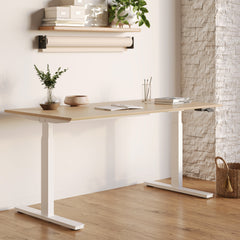
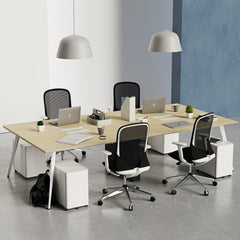
A spacious, uncluttered desk supports more effective cable layout strategies. The minimalist office workstation desk offers a surface intentionally designed for simplicity, making it easier to route USB cables without creating knots or tangles. Ample space around the user reduces the number of sharp angles that cables must bend around.
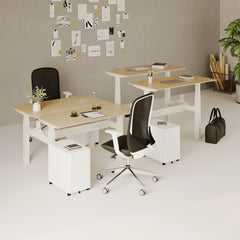
Sit-to-stand work patterns often cause cables to stretch, pull, or drag across the floor. An adjustable standing desk design helps reduce these issues when paired with proper cable length planning and secure routing pathways.
Proper slack ensures that cables rise and lower smoothly. If cables are too short, ports can be stressed. If they are too long, tripping hazards appear. Balanced slack prevents tension and ensures smooth transitions.
Stable routing maintains consistent device connections. USB hubs, microphones, webcams, and external drives rely on uninterrupted signal paths. Ensuring that cables are secured in predictable tracks reduces accidental disconnections when changing desk height.
The under-desk area plays a critical role in managing USB charging blocks, power adapters, and hub cables. A well-constructed cable system in this space eliminates dangling cords and makes the entire setup safer and more efficient.
A structured tray keeps power bricks, USB hubs, and adapters secured in place. The under-desk cable tray offers a predictable compartment where USB-related components can stay organized. This reduces tangling and keeps cables off the floor.
Separating cables minimizes heat buildup and interference. Power delivery cables should have more breathing room because they carry higher wattage, while data cables require stable routing that avoids electrical noise from chargers.
USB-C power blocks usually require thicker cables and should be placed where airflow is consistent. USB-A hubs, however, benefit from shorter cable paths for signal strength.
Spacing out chargers reduces heat accumulation, supporting more stable charging and longer device lifespan.
Vertical routing is essential for setups that move, rotate, or adjust frequently. A structured vertical path prevents USB cables from dragging on the floor or twisting around chair legs.
A flexible routing tool like a flexible cable management spine organizes cables vertically from desk to floor. It maintains a consistent shape, making routing predictable and secure.
Monitor arms, rolling chairs, and repositioned devices create movement. Vertical routing isolates USB cables from these shifting elements.
Balancing cable weight prevents ports from bearing unnecessary pressure. Well-structured routing supports devices rather than stressing them.
Overcrowding USB cables can block airflow, especially around powered hubs. Vertical spacing helps maintain a cooler environment that supports steady performance.
Power access on the desk surface should feel intentional. USB ports that are easy to reach allow users to charge or connect devices without creating sprawling cable arrangements.
The desk-mounted power clamp provides access to outlets and sometimes USB ports right at the desk edge. It prevents cables from stretching across long distances and keeps chargers accessible without cluttering the main surface.
A flush in-desk power hub offers a refined solution that integrates power access directly into the desk. This allows USB cables to enter the workspace cleanly from below and reduces visible clutter.
Clamp-on modules are ideal for temporary setups or frequently changed device configurations. In-desk modules suit long-term arrangements where cables remain consistent.
Direct desk integration keeps charging tools hidden. This allows the surface to remain clean, visually calm, and fully usable.
USB standards continue to evolve. Preparing a workstation for long-term compatibility helps avoid disruptive rewiring in the future.
USB-C PD supports a wide range of devices. Structuring cable pathways that allow for thicker USB-C cords prevents crowding and ensures reliability as devices advance.
Many users still rely on older USB-A devices. Balancing both USB-A and USB-C ensures smooth transitions over time.
Docking stations often combine multiple ports, requiring careful placement so cables remain organized. Routing should avoid tight bends near the dock to maintain connection quality.
A modular approach, where cables and accessories can be rearranged without dismantling the entire setup, ensures long-term adaptability.
USB performance is sensitive to cable length, signal path stability, and environmental conditions. Organized layouts support consistent functionality.
Long cables lose performance over distance. Structured routing shortens cable paths and avoids unnecessary extensions.
High-demand equipment often requires low-latency and high-speed connections. Organized cables prevent signal interruptions and help maintain stability.
Professional devices require predictable power and stable data connections. Routing that isolates each device improves reliability.
Avoiding cable overlap reduces signal interference and supports high-speed USB performance.
USB cable placement is an often-overlooked component of ergonomic safety. Clean routing reduces strain and supports healthier work patterns.
Routing cables toward common reach zones reduces arm strain. Adequate clearance ensures that the user is not frequently bending or stretching to access USB devices.
Keeping cables off the floor eliminates tripping risks. A structured environment supports long-term durability and user safety.
Predictable cable paths create a calm environment that supports focus and reduces the mental friction caused by clutter.
USB cable organization will continue to evolve as more devices rely on integrated charging and data systems. Workspaces are trending toward clean, unobtrusive technology that complements the environment rather than competing with it.
More workstations incorporate built-in power access that shortens routing paths for USB cables. This trend supports efficient setups that require fewer external accessories.
While wireless devices reduce cable clutter, USB cables will remain necessary for charging, high-accuracy peripherals, and consistent data performance.
Designers prioritize clean lines and hidden infrastructure so technology supports, rather than overwhelms, the overall aesthetic.


You have unlocked free shipping!
You're saving $29 and unlocked free shipping!
Leave a comment