



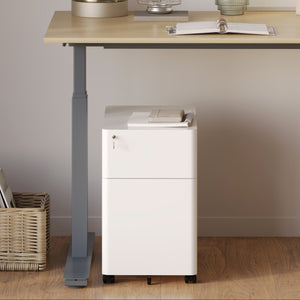






















Filing Cabinet Choices for Cleaner Workstation Planning
Cleaner workstation planning starts with filing storage that matches the desk, document volume, security needs, and daily workflow. Explore how cab...
Learn more
Visit quiz page to see how we makes it easy to create an inspiring workplace


The hybrid model demands that our home environment function with the same rigor and efficiency as a corporate office. The challenge is integrating a high-performance workstation into a personal space without sacrificing comfort or style. A productive hybrid workspace is not defined by location, but by its ability to provide uninterrupted focus, dynamic health support, and clear physical and psychological boundaries between work life and home life.
Building this environment requires a strategic approach that prioritizes foundational, ergonomic furniture over temporary solutions. By choosing pieces that are adaptable, beautiful, and engineered for health, you establish an enduring system that makes the transition between office days and home days seamless and energized. This guide provides the essential blueprint for constructing a home office that is both a sanctuary of focus and a hub of productivity.
The first step in building a productive hybrid space is defining its physical boundaries. Even in a multi-use room, the work zone must be psychologically distinct from the areas dedicated to relaxation. This separation is primarily achieved through furniture layout and intentional design.
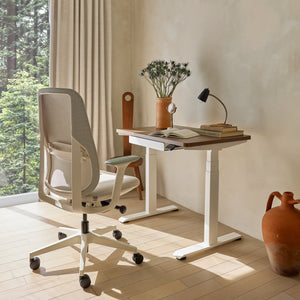
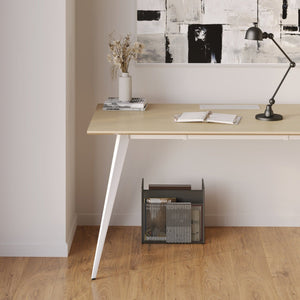
The core piece that anchors this defined space is a stable and professional classic home office table, which provides the necessary visual weight and reliable surface for serious work.
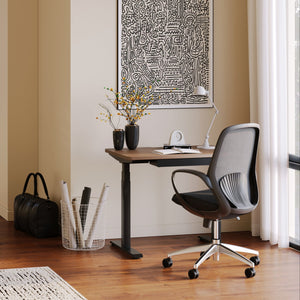
The greatest threat to hybrid productivity is physical discomfort caused by poor seating. An investment in an ergonomic chair is an investment in your career longevity and daily focus.
Your chair must be fully adaptable to your body to maintain the natural S-curve of the spine, ensuring blood flow remains unrestricted and pressure points are eliminated. The chair's adjustability is directly tied to your sustained alertness.
Lumbar Support: Must be adjustable in height and depth to fit your lower back curve.
Armrests: Must adjust to keep your elbows at a 90-degree angle, preventing shoulder and neck tension.
Seat Depth: Must allow 2-3 inches between the back of your knees and the seat edge.
Static posture is the enemy of sustained energy. A productive hybrid workspace must encourage movement throughout the day to combat fatigue and maintain cognitive sharpness.
The ability to easily switch between sitting and standing is a powerful productivity hack. Standing engages different muscle groups, improves circulation, and acts as a mild stimulant for the brain, refreshing attention levels.
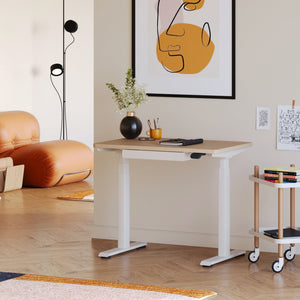
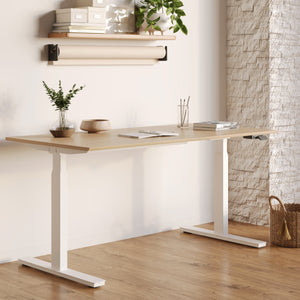
The most effective way to integrate this variability is through a smooth height-adjustable desk that transitions quickly and quietly without disrupting the workflow.
In a home setting, visual clutter often blends seamlessly with personal items, making the workspace feel chaotic. Productivity demands aggressively clear surfaces and smart concealment.
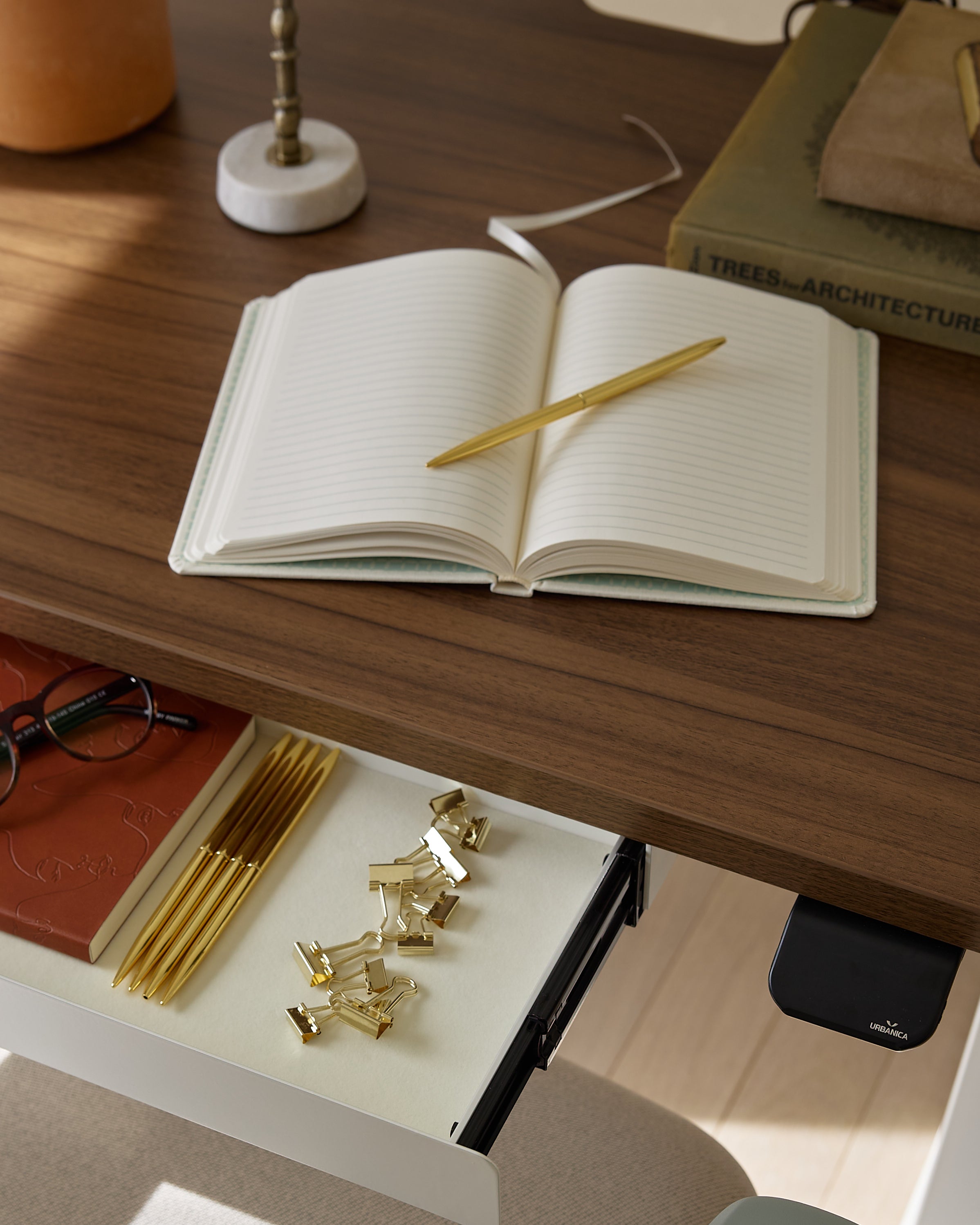
Every item on your desk surface must have a dedicated, easily accessible home. Prioritize closed storage—drawers, cabinets, or decorative boxes—to hide non-essential items and cables.
☐ Concealed Cables: Wires managed with ties or integrated into the desk structure. ☐ Closed Storage: Utilize drawers/cabinets for paper and supplies. ☐ Minimal Décor: Limit personal items to one or two grounding objects.

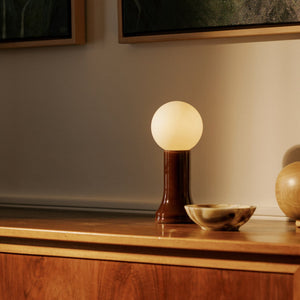
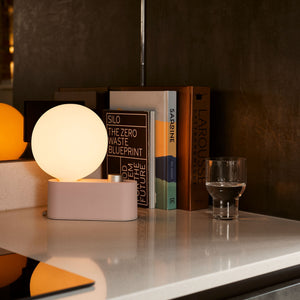
Harsh overhead lighting common in many homes can cause eye strain and headaches. A hybrid space requires layered, customizable lighting to support different tasks and times of day.
Ambient (General): Soft, diffuse light for the room's overall brightness.
Task (Focused): An adjustable desk lamp directed at the keyboard or reading material.
Aesthetic (Video): A simple lamp behind the screen to provide soft backlighting for a professional look on camera.
The hybrid worker needs clear signals for when work begins and ends. Furniture placement and choice can create this separation, even in a small apartment or corner of a room.
Position your desk to face a wall or window rather than the general living area. If space is shared, use a tall bookshelf or screen near your workstation to create a subtle physical and psychological barrier.
For the hybrid setting, furniture must be aesthetically pleasing to blend with the home environment while providing commercial-grade function. Minimalist design is key to achieving this balance.
Choose pieces with clean lines, neutral colors, and natural textures (wood, metal) that complement your home decor. A large, bulky, highly technical-looking desk will visually dominate the room and reduce the feeling of domestic calm.
This blending of aesthetics and function is crucial for high-demand regional markets. Sourcing a sleek Office Desk Los Angeles ensures the piece meets both performance and style demands within a contemporary home setting.
If two people in the household work in a hybrid model, maximizing a shared space requires integrated, autonomous furniture solutions.
A dual standing desk allows two professionals to work side-by-side, each with independent height controls and organized storage zones. This prevents one person's movement or clutter from disrupting the other's focus.
Proper posture and health support extend beyond the chair itself. All peripherals must be positioned to maintain the body's neutral alignment, reducing the risk of strain and fatigue.
Monitor height, keyboard placement, and mouse position must all adhere to proven ergonomic standards to maintain health. The simple act of correctly positioning your tools has a massive impact on your ability to focus and prevent pain.
This commitment to detailed physical support is foundational, adhering to strict workplace ergonomics guidelines designed to protect workers from cumulative trauma injuries.
In the hybrid model, the quality of your video and audio setup directly impacts your professional confidence and effectiveness.
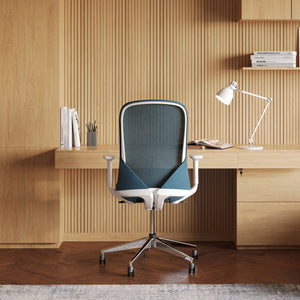
Ensure your background is tidy, non-distracting, and well-lit. Use a simple, high-backed chair, such as a supportive ergonomic performance chair, which provides a clean, professional profile on camera and helps maintain an engaged posture.
A productive home hybrid setup should be built with adaptability in mind, allowing the space to grow or shrink based on future professional needs without requiring a full furniture overhaul.
Choose desks and storage units that are modular. This means they can be easily reconfigured, separated, or added to as your space or professional demands evolve, protecting your initial investment for the long term.

Building a truly productive hybrid workspace at home is an act of intentional design. By prioritizing ergonomic health, eliminating visual friction, and choosing adaptable, high-quality furniture, you create a space that transcends the limitations of its location. This seamless, supportive environment will not only protect your health but also act as a powerful, reliable engine for your continuous professional success.


You have unlocked free shipping!
You're saving $29 and unlocked free shipping!
Leave a comment