


























Filing Cabinet Choices for Cleaner Workstation Planning
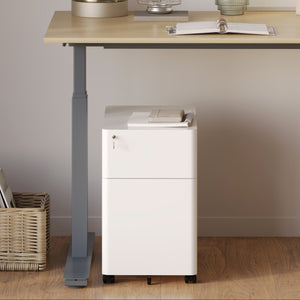
Cleaner workstation planning starts with filing storage that matches the desk, document volume, security needs, and daily workflow. Explore how cab...
Learn more
Visit quiz page to see how we makes it easy to create an inspiring workplace


Posture is not just about sitting up straight. It is influenced by everything around you, from your chair to your desk and even your monitor position. Many people struggle with discomfort not because they sit incorrectly on purpose, but because their workspace forces them into poor positions.
Creating a setup that supports your body can change how you feel throughout the day. Even choosing the right Los Angeles Office Chair can make a noticeable difference in posture and comfort. A posture-friendly workspace helps your body stay aligned naturally without constant effort.
A poor office setup creates small imbalances that grow over time. You may not notice them immediately, but they gradually lead to discomfort and poor posture habits.
When your chair lacks support or your desk is at the wrong height, your body compensates. You might lean forward, round your shoulders, or tilt your head downward. These adjustments place strain on your spine and muscles.
Over time, this leads to:
Back and neck pain
Shoulder tension
Reduced mobility
Lower energy levels
The key to better posture is not forcing yourself to sit correctly. It is creating a workspace that encourages proper alignment automatically.
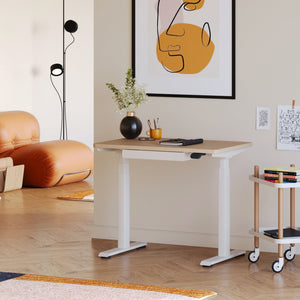
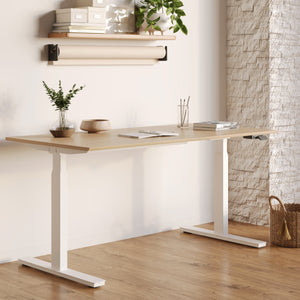
A flexible standing desk allows you to adjust your workspace to match your body. This helps maintain proper posture whether you are sitting or standing.
Your shoulders feel raised or tense
Your wrists bend while typing
You lean forward to see your screen
Your elbows are not at a natural angle
To support posture:
Keep your elbows at about 90 degrees
Position your wrists in a neutral line
Ensure your monitor is at eye level
These adjustments reduce strain and help your body stay aligned throughout the day.
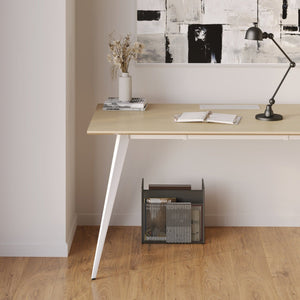
Your workspace is a system. A well-sized office desk ensures that everything you need is within reach, reducing unnecessary movement.
Guidelines like this ergonomic chair guide highlight how proper seating and layout can improve posture and reduce discomfort.
Keep your monitor directly in front of you
Place frequently used items nearby
Align your keyboard with your elbows
These small changes help maintain a neutral and comfortable position.
Comfort plays a major role in maintaining good posture. When your body feels supported, you naturally sit or stand correctly.
Without proper furniture, your body constantly shifts to find a comfortable position. This leads to inconsistent posture and increased strain.
A well-designed workspace removes this struggle. It allows you to focus on your work instead of your discomfort.
Accessories help fine-tune your setup. An ergonomic arm allows you to adjust your monitor height and angle for better posture.
If your screen is too low, you will look down. If it is too high, you will strain your neck upward.
Proper positioning helps you:
Keep your head level
Reduce neck strain
Maintain consistent posture
Monitor arms for flexibility
Desk organizers for efficiency
Cable management for a clean setup
These additions create a workspace that supports alignment and comfort.
Your chair is the foundation of your posture. A poorly designed chair can lead to slouching and discomfort.
A supportive ergonomic office chair helps maintain the natural curve of your spine. It supports your lower back and keeps your body in a balanced position.
When your seating supports your posture, you can work longer without discomfort.
|
Workspace Element |
Benefit |
Problem Prevented |
Ideal Use Case |
|
Standing Desk |
Adjustable height |
Poor posture alignment |
Flexible work setups |
|
Office Desk |
Organized workspace |
Reaching and strain |
Daily tasks |
|
Ergonomic Chair |
Spine support |
Back pain |
Long sitting sessions |
|
Monitor Arm |
Adjustable screen height |
Neck strain |
Screen-heavy work |
|
Clean Setup |
Reduced distractions |
Mental fatigue |
Focused work environment |
Even with the right setup, habits matter. Maintaining good posture requires consistent effort.
Adjust your chair and desk regularly
Take short breaks to stretch
Sit with your back fully supported
Keep your feet flat on the floor
Check your posture throughout the day. Small adjustments can prevent strain from building up.
A posture-friendly workspace offers more than immediate comfort. It supports your long-term health and productivity.
Benefits include:
Reduced risk of chronic pain
Improved focus
Better energy levels
Increased productivity
These improvements help create a more sustainable work routine.
Even with a well-designed workspace, small posture mistakes can still happen throughout the day. These habits often go unnoticed but can slowly affect your comfort and alignment over time.
One common mistake is leaning forward while working, especially when focusing on a screen. This puts extra pressure on your neck and upper back. Another issue is sitting at the edge of your chair without using back support, which causes your spine to lose its natural curve.
Many people also tend to keep their feet unsupported or cross their legs for long periods. While it may feel comfortable at first, it can lead to imbalances in posture and strain on the lower body.
These small habits may seem harmless, but they create repeated strain on your body. Over time, this can lead to discomfort, reduced mobility, and poor posture patterns.
Leaning forward toward your screen
Sitting without back support
Keeping your shoulders raised while typing
Placing your monitor off-center
Letting your feet hang without support
Sit all the way back in your chair
Keep your screen directly in front of you
Relax your shoulders while working
Ensure your feet are flat on the floor or supported
Fixing these habits does not require major changes. Small corrections can significantly improve your posture and help you maintain a more comfortable workspace throughout the day.
A posture-friendly workspace is about making intentional choices that support your body and your work.
Use a chair that supports your spine
Adjust your desk height to match your body
Keep your monitor at eye level
Add ergonomic accessories for alignment
Maintain a clean and organized workspace
Take regular breaks to move
Stay consistent with healthy habits
When your workspace supports your posture, you feel more comfortable and productive. The right setup helps you work better and protect your health every day.


You have unlocked free shipping!
You're saving $29 and unlocked free shipping!
Leave a comment