



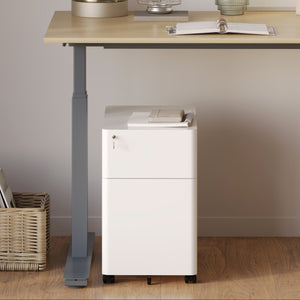






















Filing Cabinet Choices for Cleaner Workstation Planning
Cleaner workstation planning starts with filing storage that matches the desk, document volume, security needs, and daily workflow. Explore how cab...
Learn more
Visit quiz page to see how we makes it easy to create an inspiring workplace


The best office furniture choices start with your real schedule, not a trendy look. Think about how you work day to day. Do you take calls often? Do you write notes by hand? Do you use one screen or two? Your answers should shape your setup so your desk feels natural to use instead of constantly “in the way.”
A beautiful workspace won’t feel good if the layout doesn’t support your workflow. Prioritize having enough desk space for your daily tools, easy access to storage, and a setup that doesn’t force you to keep rearranging items just to get through the day.
Many chairs and desks feel fine at first but become uncomfortable after a long work session. The right office furniture should support your posture, reduce strain in your neck and shoulders, and help you sit or stand comfortably without needing constant breaks.
A strong setup keeps your body in a relaxed, natural position. Your feet should feel stable, your arms should rest comfortably, and your screen should be positioned so you’re not leaning forward or looking down all day.
A messy office isn’t always caused by being disorganized. Sometimes it happens because your furniture doesn’t support storage, cable control, or daily routines. When supplies don’t have a place to go, they end up on the desk, and the desk starts feeling crowded.
The best pieces help you keep essentials close while keeping surfaces clear. When your desk has enough space, your storage is easy to reach, and your layout stays consistent, your workspace stays cleaner with less effort.
Buying office furniture is not just about filling a room with desks and chairs. It is about creating a space that supports focus, comfort, and long-term use. Whether the office is at home or part of a shared workplace, the furniture chosen will shape daily routines. Poor choices can lead to discomfort, distraction, and early replacement. Thoughtful choices, on the other hand, can support posture, movement, and productivity for years. This guide explains what to look for when buying office furniture and why each detail matters more than it may seem at first.
Before looking at furniture styles or finishes, it is important to understand how the office will be used. Some people sit for long hours with minimal movement. Others shift between tasks, meetings, and short breaks. Furniture should match real habits rather than ideal routines.
An office used for long computer work needs different support than one used for short sessions. Measuring the room and noting traffic flow also helps prevent overcrowding. Furniture that fits the space properly makes the room feel open and easier to work in.
The desk is the main work surface. Its size, height, and stability influence posture and workflow.
When choosing a desk, look for:
Enough surface space for daily tools
Solid construction that does not wobble
Comfortable height for typing and writing
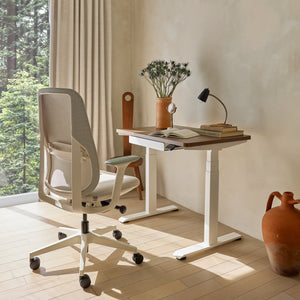
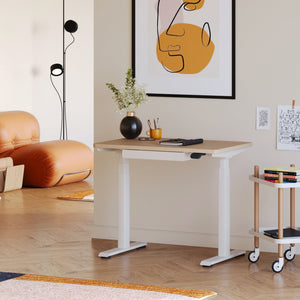
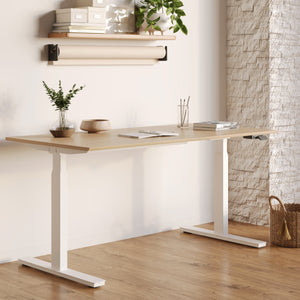
A standing desk supports movement throughout the day. It allows users to change posture without leaving the workspace, which helps reduce long periods of sitting.
A work surface should feel secure and balanced. Too small and it feels cramped. Too large and it dominates the room.
Reliable work surfaces:
Support monitors and accessories
Keep items within easy reach
Feel solid under daily use
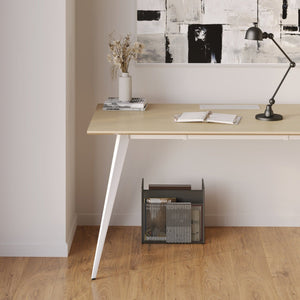
An office desk fits well in most layouts and provides a dependable surface for focused tasks.
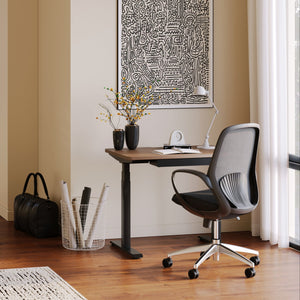
Office seating affects how the body feels after hours of work. Poor seating can cause tension that builds slowly and becomes noticeable only after weeks of use.
Guidance from chair ergonomics and posture basics highlights the importance of back support, seat height, and natural posture. These principles apply to all offices, regardless of size.
Details such as arm support are often overlooked when buying furniture.
Proper arm support:
Reduces shoulder strain
Supports relaxed typing posture
Improves comfort during long sessions
Adding ergonomic arm support improves seating comfort without changing the overall setup.
Not everyone sits the same way. Adjustable seating allows users to find a position that feels natural.
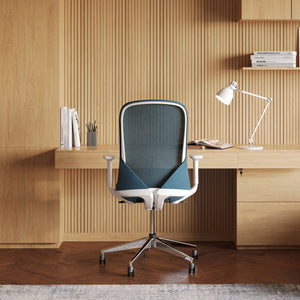
A supportive office chair offers balanced support for long workdays while fitting cleanly into different office styles.
|
Furniture Type |
Purpose |
Key Benefit |
Best Use |
|
Desk |
Work surface |
Stability |
Daily tasks |
|
Adjustable desk |
Movement |
Posture change |
Long hours |
|
Office chair |
Seating |
Comfort |
Focused work |
|
Arm support |
Posture |
Reduced strain |
Long sitting |
|
Storage pieces |
Organization |
Clear space |
Small offices |
An office that feels crowded can make work feel heavier than it needs to be.
Helpful layout tips include:
Leaving clear walking paths
Avoiding oversized furniture
Using neutral colors
Choosing furniture that matches the room size helps the office feel calm and organized.
Office furniture should last beyond short-term needs. Quality pieces reduce the need for frequent replacement and help maintain consistent comfort.
For buyers looking for a reliable desk option locally, Office Desk California fits into many office setups while supporting everyday work needs.
Buying office furniture is an investment in daily comfort and productivity.
Before making a final decision, use this checklist:
Does the furniture fit how the space is used?
Does it support healthy posture?
Can it adapt to long work sessions?
Is it sized correctly for the room?
Will it remain useful over time?
When furniture supports both the body and the workflow, the office becomes a place where work feels easier and more sustainable.


You have unlocked free shipping!
You're saving $29 and unlocked free shipping!
Leave a comment