























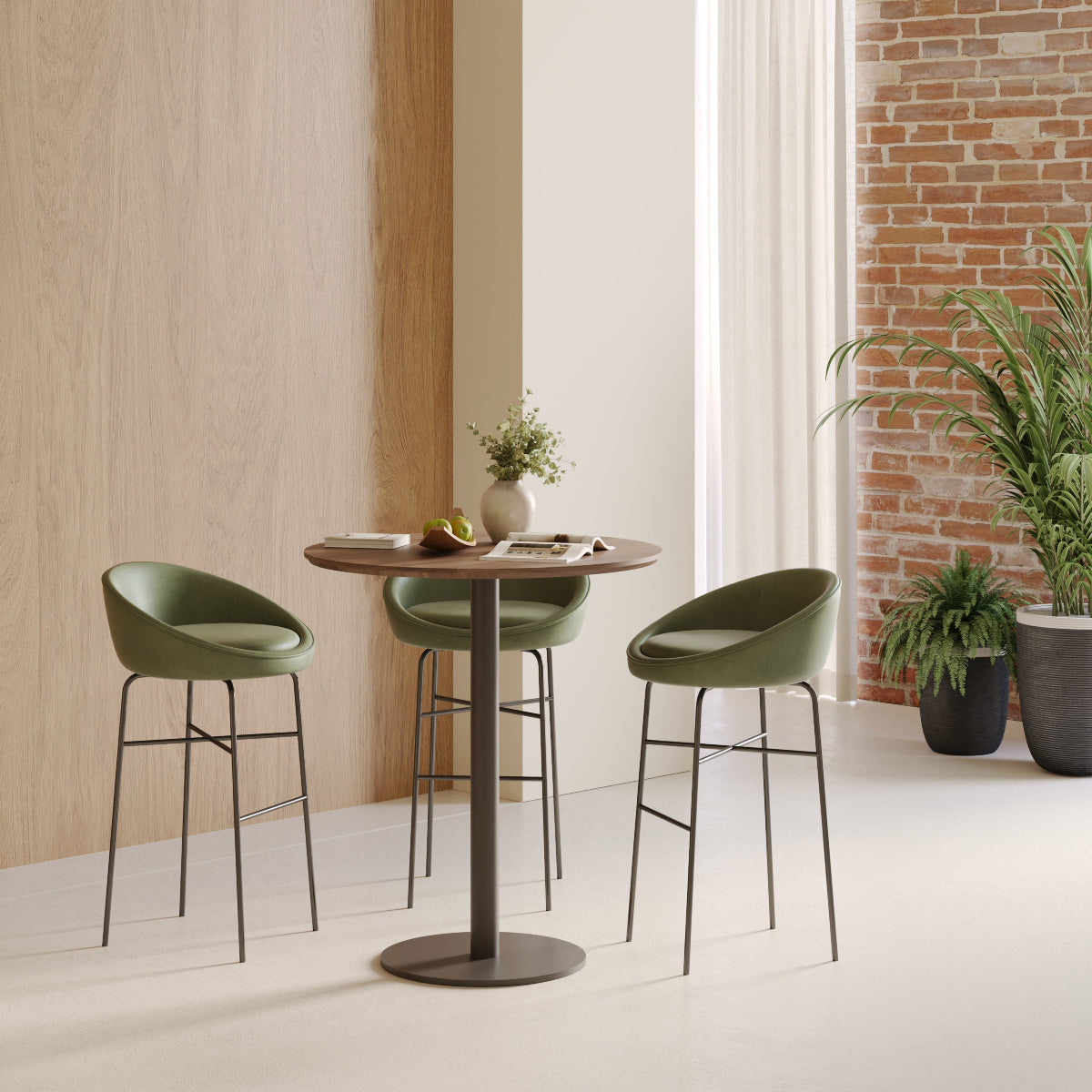
Bistro Table Setup Ideas for Studio Apartments and Small Home Offices

Small rooms ask more from every piece of furniture. In a studio apartment, one table may need to support breakfast, a laptop session, evening takeout, and the daily rhythm of living in a single open space. In a small home office, the same table may need to feel productive without making the room look rigid or overcrowded. That is where a bistro table becomes especially useful.
A bistro table works well in compact interiors because it combines a modest footprint with a sense of intention. It does not read as oversized or purely utilitarian. Instead, it helps create a place within the room. That distinction matters in homes where square footage is limited and each area needs to feel purposeful.
The most successful setups are not built around decoration alone. They come from understanding circulation, placement, chair scale, lighting, and how the table will actually be used throughout the day. A small space feels thoughtful when furniture supports movement and routine without asking the room to do too much at once. A well-chosen compact bistro table can become the anchor for that balance, especially in layouts where a larger dining table or standard desk would overwhelm the room.
Why Bistro Tables Work So Well in Compact Interiors
A smaller footprint creates more freedom around the room
In small apartments and compact offices, usable space is not just about what fits. It is about how comfortably the room functions once everything is in place. A table that technically fits but interrupts walking paths, blocks storage, or forces chairs to remain pulled out will make the room feel tighter every day.
Bistro tables support better movement because they take up less visual and physical space than full dining tables or deep desks. This is especially true when the top is round. Without sharp corners extending into circulation paths, the room feels easier to move through. That softness becomes even more valuable in studio apartments, where the same open area may contain a bed, seating, storage, and a dining surface.
Visual lightness matters as much as dimensions
Compact furniture succeeds when it does not visually weigh down the room. A small table with clean proportions often does more for a space than a heavier piece with extra bulk. This is one reason bistro tables can feel so effective in multipurpose interiors. They define a zone without making it feel boxed in.
In practical terms, visual lightness comes from shape, open leg space, and the ability to pair the table with chairs that tuck in neatly. Together, those qualities make the room feel more open even when the table is used daily.
A bistro table supports a softer kind of productivity
Not every home office needs a large desk with drawers and a full workstation footprint. For writing, planning, video calls, reading, or light laptop use, a bistro table can support focused work while keeping the room more relaxed. That softer profile is valuable in spaces that need to feel livable before they feel task-driven.
Studio Apartment Layouts That Give a Bistro Table Real Purpose
Window-side placements that use natural light wisely
Placing a bistro table near a window is one of the simplest ways to make a small apartment feel more complete. It creates a destination within the room and gives everyday habits, such as morning coffee or lunch at home, a clear setting. The setup can also support occasional laptop use, journaling, or reading.
Natural light helps a compact dining area feel open, but the placement still needs discipline. The table should not drift too close to the wall if that prevents chairs from moving comfortably. It should also avoid becoming a landing spot for unrelated items such as bags, unopened mail, and charging cables. The more limited the surface area, the more important it is to protect it from clutter.
Managing glare and function near a window
If the table will also support work, glare deserves attention. Side lighting usually works better than direct light facing the screen. This keeps the table bright without making short work sessions frustrating. A small tray for essentials and one lighting accent can help the setup hold its identity even when the activity changes throughout the day.
Corner setups that recover overlooked square footage
Corners often go underused in studios because they feel too small for larger furniture. A bistro table changes that equation. With the right scale, a corner becomes a proper dining nook or a compact task area rather than dead space.
This approach works especially well near kitchen edges, built-in shelving, or transition walls between sleeping and living areas. It gives the table a natural frame and makes the room feel more organized. The key is to avoid crowding the table with oversized chairs or too many decorative items. Small corners benefit from restraint. One vertical accent, one practical surface layer, and clean sightlines usually do more than several competing objects.
Floating placements that help divide open-plan living
In some studio apartments, placing the bistro table away from the wall creates better structure. A floating arrangement can help separate the sleeping zone from the lounge area or create a transition between kitchen and living space. This only works when circulation remains clear, but when done well, it can give the room a more deliberate floor plan.
A floating table should feel anchored by something subtle, such as a rug beneath nearby seating, a pendant above, or the alignment of surrounding furniture. The goal is not to isolate the table but to let it clarify how the room functions.
Small Home Office Setups That Feel More Comfortable Than Conventional Desks
When a bistro table is the better choice
A bistro table works best in home offices built around light to moderate daily tasks. It suits laptop work, notes, reading, online meetings, and creative planning. It is less suited to setups that require multiple monitors, stacks of files, or large equipment. Understanding that boundary helps the room stay honest and functional.
For people who need more depth, storage, or a stronger task-based setup, browsing ergonomic office desks can make more sense. A desk collection reflects a different work pattern and offers a better fit when the room needs a dedicated workstation rather than a flexible surface.
Creating a café-inspired office nook
A compact office should support concentration without feeling severe. That is where the bistro format becomes useful. It encourages a more residential atmosphere while still giving work a defined place. The room feels composed rather than overbuilt.
This kind of setup improves when the seating choice is handled carefully. The chair should support posture and still fit the scale of the table. In spaces where longer sitting sessions are expected, ergonomic office chairs provide a more suitable companion than purely decorative seating. In shorter work intervals, lighter chairs can help the room feel more open. The right choice depends on how often the table shifts between work and non-work use.
Making the table productive without making it crowded
A productive small office is not filled with more things. It is edited more carefully. A laptop, notebook, one lamp, and a small landing place for essentials can be enough. Once every object on the table serves a reason to stay, the space becomes easier to use and easier to maintain.
Designing a Bistro Table for Both Dining and Work
The best hybrid setups reset quickly
The strength of a dual-purpose table lies in how easily it can shift from one use to another. A breakfast setup should not require a full clearing process before work begins. A laptop session should not make dinner feel like an afterthought. Hybrid success comes from reducing friction.
This usually means keeping permanent tabletop items to a minimum. One lamp, one tray, and one or two practical accessories are often enough. That leaves enough open surface for both meals and work without making the table feel bare.
Functional styling adds more value than decorative styling
Small rooms benefit from objects that earn their place. A coaster protects the surface. A linen mat softens the table visually while defining a place setting. A tray gathers loose items that would otherwise create disorder. A lamp supports evening use and gives the setup a finished look.
Decorative styling becomes less useful when it competes with function. On a larger dining table, extra objects may not matter much. On a small bistro table, every item affects usability. The goal is not to make the area look sparse. It is to keep it believable and easy to live with.
What to leave out of a compact setup
Large centerpieces, tall arrangements that block views, thick stacks of paper, and bulky organizers can quickly undo the benefit of a small table. The more compact the room, the more every extra object changes how spacious it feels. Good styling in a studio apartment often looks like moderation rather than abundance.
Lighting Choices That Make the Setup Feel Intentional
A lamp gives the table a stronger identity
Lighting often determines whether a bistro table looks thoughtfully placed or temporarily dropped into the room. In both apartments and small home offices, a lamp helps define the area as a destination. It also adds vertical interest to a furniture piece with a limited footprint.
The Alumina Lamp is especially relevant in this context because the page presents it as a versatile lighting piece suited to compact interiors. A lamp of that kind helps a table feel established, whether the setup is used for coffee, paperwork, or evening reading.
Tabletop lighting versus nearby lighting
Not every lamp needs to sit directly on the table. In very small setups, lighting can work better on a nearby console, narrow shelf, or adjacent storage surface. This preserves tabletop area while still giving the zone visual definition. The best choice depends on how often the table needs to be completely clear.
Evening use requires softer, layered light
Small rooms are often used continuously from morning through late evening. A table that works during the day but feels harsh or dim at night will not support that rhythm well. Layered lighting solves this. Instead of relying only on overhead light, the setup feels warmer and more usable when supported by a secondary lamp source.
A recycled glass table lamp can contribute to that softer evening atmosphere while still fitting the compact scale of a bistro arrangement. Lighting choices like this help the space shift naturally from work mode to dining or relaxation mode without a dramatic change in the room.
Furniture Pairing and Accessory Strategy for a Cleaner Look
Chairs should disappear visually when not in use
In a compact room, the best chairs often do not call attention to themselves when pushed in. They support the table without expanding the visual footprint of the setup. This is why tuck-under ability matters so much. If chairs remain protruding into the room, the whole arrangement starts to feel larger and less controlled.
Armless chairs often work well for this reason, though the final choice depends on how the table is used. Dining-first setups may favor lighter silhouettes. Work-first setups may prioritize support.
Supporting pieces should stay compact and honest
Accessories should help the table perform better, not make it look busier. Thoughtful office accessories can support that balance when they are selected for real use, such as lighting, containment, and tabletop organization. The strongest combinations usually involve just a few pieces that solve clear needs.
Showroom polish comes from restraint, not excess
A polished setup does not rely on more objects. It comes from proportion, alignment, and consistency in finish. This is especially true in urban interiors where compact furniture must still feel elevated. Looking at curated pages centered on modern workspace pieces can help clarify that direction. The strongest small-room environments tend to combine warm residential cues with practical office function, rather than leaning too heavily into either one.
Comparing Bistro Table Setup Styles for Small Spaces
| Setup Style | Best For | Primary Advantage | Main Consideration |
|---|---|---|---|
| Window-side dining nook | Meals, coffee, reading | Activates natural light and gives the room a daily focal point | Needs glare control if used for laptop work |
| Corner bistro setup | Compact dining, writing, overflow tasks | Recovers underused floor area | Needs careful chair sizing to avoid crowding |
| Floating studio divider | Open-plan zoning | Helps separate living and sleeping functions | Requires good circulation around all sides |
| Home office café setup | Laptop work, calls, planning | Feels softer than a traditional desk arrangement | Offers less storage than a full workstation |
| Hybrid eat-work station | Daily mixed use | Adapts easily across routines | Works best when the tabletop stays edited |
A Practical Styling Checklist for Lasting Function
1. Measure movement paths before choosing the final position of the table.
2. Decide whether the setup is dining-first, work-first, or truly shared.
3. Choose chairs that fit the table scale and tuck in cleanly.
4. Limit permanent tabletop items to those that support daily use.
5. Add one well-placed light source to define the zone.
6. Use texture carefully through mats, trays, or soft finishes rather than bulky décor.
7. Keep enough negative space around the setup so the room still feels open.
Making a Small Room Feel Thoughtful Through Better Table Placement
A bistro table succeeds in a studio apartment or small home office when it does more than fill an empty spot. It should support routine, protect circulation, and give the room a stronger sense of order. The best setups are not the most decorated or the most complicated. They are the ones that respect the scale of the room and the way people actually live in it.
When the proportions are right, the lighting is intentional, and the accessories stay purposeful, a bistro table becomes more than a compact surface. It becomes the point where flexibility and comfort meet. In smaller homes, that kind of quiet usefulness is what makes a furniture choice last.
Related Articles
-
 This Is How To Build A Small Home Office You Actually Want To Work From, And How To Pick Desks For Small Spaces - Urbanica Furniture's Full Guide
-
 Filing Cabinets for Small Spaces That Still Look Clean Now
-
 Minimalist Office Table Ideas That Work Like a Bistro Table
-
 Make Small Shared Spaces Work Better With a Bistro Table
-
 Best Filing Cabinet Layout Ideas for Small Home Offices and Shared Rooms
-
 What Size Filing Cabinet Makes Sense for Small Workspaces?


