



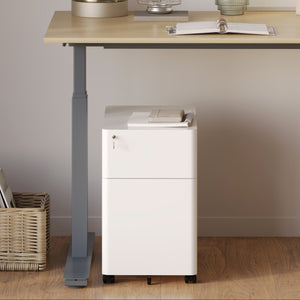






















Filing Cabinet Choices for Cleaner Workstation Planning
Cleaner workstation planning starts with filing storage that matches the desk, document volume, security needs, and daily workflow. Explore how cab...
Learn more
Visit quiz page to see how we makes it easy to create an inspiring workplace


A bistro table can solve a surprisingly wide range of space challenges when it is chosen with intention. In a compact dining area, it can create a place to eat without overwhelming the room. In a flexible home office, it can soften the atmosphere and offer an alternative to a desk. In a client-facing workspace, it can support short conversations, casual collaboration, or a more welcoming corner for guests. What matters most is not only how the table looks on its own, but how well it supports the way the room actually works every day.
That is why the best buying decisions usually begin with function before style. A table that photographs beautifully can still feel awkward if people cannot move around it comfortably, if chairs do not fit correctly, or if the surface quickly shows wear in daily use. A well-chosen bistro table feels easy to live with. It fits the scale of the room, supports the right kind of seating, and contributes to a layout that feels balanced rather than crowded.
For buyers comparing options, it helps to start with a clear reference point. A compact collaborative bistro table illustrates the kind of piece that can work across both residential and professional settings because it is built around a modest footprint and a format that encourages conversation.
The most common mistake in bistro table shopping is choosing by appearance first. Finish, silhouette, and color do matter, but they only matter after the room can support the table properly. Even a small table can feel intrusive if it interrupts traffic flow or forces chairs too close to walls, cabinets, or nearby furniture.
A room may look open until real-life obstacles are considered. Door swings, kitchen counters, radiators, storage pieces, and walking paths reduce the area a table can truly occupy. In many homes and offices, the bistro table does not sit in an isolated zone. It often shares visual and physical space with other furniture, which means its footprint has to be measured in relation to the rest of the room.
A useful way to think about placement is to map three layers: the table itself, the space chairs need when occupied, and the circulation zone around them. This helps prevent a common issue where the tabletop fits, but the room becomes cramped once people sit down.
A table can be technically small and still feel inconvenient if people have to twist sideways to pass through the room. Clearance influences not only comfort but also how often the table gets used. When a setup feels cramped, people avoid it. When it feels open and intuitive, it becomes part of the daily rhythm of the space.
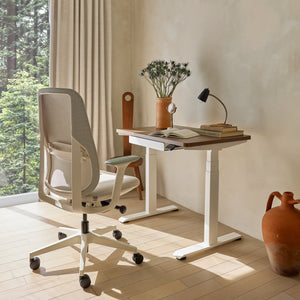
This matters even more in hybrid interiors where dining, working, and social use overlap. Buyers who are planning around nearby workstations often benefit from comparing table scale with surrounding surfaces such as adjustable ergonomic office desks, since proportion between adjacent furniture strongly affects how unified the room feels.
Round bistro tables often perform especially well in compact areas because they soften circulation. Without corners projecting into walkways, they can feel easier to move around, especially in tighter layouts or multi-use rooms. Square tables can still work well, particularly when placed against a wall or in a more structured arrangement, but they demand more attention to clearance.
Base design also matters here. A central pedestal can make movement around the table feel more open and can reduce leg interference, while a four-leg table may create a more rigid seating pattern. The right choice depends on how the table will be used and how much flexibility the room requires.
A bistro table should never be evaluated in isolation. Height, legroom, and chair compatibility all affect whether the piece will feel inviting for ten minutes or for an entire meal, conversation, or work session.
Many buyers ask how many people a table can seat, but a better question is how the table will actually be used most of the time. A two-person breakfast nook has different needs from a small meeting corner or a flexible apartment dining area that occasionally doubles as a laptop station.
A larger diameter may allow more surface area, but it can also reduce the open feeling that makes bistro tables attractive in the first place. In compact interiors, a table that comfortably supports everyday use is often more valuable than one that tries to handle every possible scenario at once.
Standard dining height usually works well for meals and casual sitting, but comfort still depends on the relationship between the table and the chair. If the seat sits too high, the user feels crowded at the edge. If it sits too low, posture becomes less comfortable and the table may feel more decorative than useful.
For multi-use spaces, this becomes especially important. A bistro table often supports coffee, reading, short laptop sessions, and informal conversations. It does not need to do everything a desk does, but it should still support relaxed, natural posture.
A bistro table can only feel as good as the chairs around it. Seat height, back support, armrest clearance, and visual scale all matter. Thick, bulky chairs can overwhelm a compact table and make the area feel congested. Chairs that are too minimal may preserve floor space but sacrifice comfort if people stay seated longer than expected.
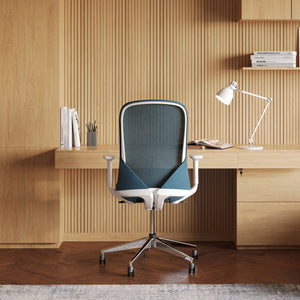
This is why it helps to evaluate the table as part of a system rather than as a standalone piece. Collections of ergonomic office chairs can be useful reference points when buyers want seating that supports posture while still working visually in a compact environment.
Armrests need enough clearance beneath the table edge.
Chair backs should support the intended length of use.
Seat depth should suit the room, especially in tighter corners.
Visual weight should feel balanced with the table base and top.
Pull-out distance should not compromise circulation around the table.
Material decisions often receive too little practical attention. Buyers may focus on color or texture while underestimating how much use the surface will need to absorb over time. A bistro table is a touchpoint. Cups, plates, notebooks, bags, and elbows all meet the surface regularly. The right finish supports that reality.
Scratches, rings, smudges, edge wear, and cleaning streaks tend to reveal themselves first in the details. The table does not need to be indestructible, but it should suit the kind of routine it will face. A table used for occasional coffee has different demands from one that hosts frequent meals or serves as a flexible workspace.
This is why a safe, honest buying process focuses on realistic use. Buyers should consider whether the table will often be wiped down, whether mugs may be placed directly on the surface, and whether the room gets strong natural light that makes dust and fingerprints more visible.
Some finishes are forgiving and easy to live with. Others are beautiful but require more attention to stay looking clean. Matte surfaces may reduce glare, while smoother or glossier finishes can reflect more light and show marks differently. Lighter tones can brighten smaller spaces, while darker tones can create visual grounding but may reveal dust more easily depending on the environment.
The goal is not to find a universally perfect finish. The goal is to find one that fits the owner’s actual tolerance for upkeep. A table that looks good with minimal effort often remains satisfying much longer than one that demands constant maintenance.
If the table sits in a dedicated dining corner, surface resilience may be evaluated one way. If it lives in a mixed-use office or studio, the priorities shift. Laptop use, writing, shared seating, and more frequent cleaning can all influence the best material direction. Thinking through these conditions in advance helps narrow the field with much more confidence.
Style matters, but not as a separate layer added at the end. The best visual results happen when the table feels related to its surroundings in scale, finish, and mood. This is what makes a setup feel intentional rather than improvised.
A bistro table does not need to match every surrounding piece exactly, but it should speak the same design language. Repeated shapes, complementary finishes, and a similar level of visual weight help create continuity. In smaller rooms, this matters even more because every object carries more visual influence.
When buyers are furnishing a work-oriented environment or a hybrid interior, it can be helpful to view broader modern workspace furniture collections to understand how different categories relate to each other. Seeing tables, seating, and supporting pieces as part of one environment often makes the final decision clearer.
Some rooms need the bistro table to disappear gently into the layout. Others benefit from a stronger focal point. The right balance depends on what else is present in the room. In a minimal interior, a distinct table finish may provide enough character. In a more layered space, a quieter table may allow surrounding elements to carry more of the visual story.
A thoughtful purchase takes the whole scene into account. The room should not feel built around a single object. It should feel composed.
A bistro table is experienced through light as much as through shape. Light affects mood, surface visibility, and the overall usefulness of the corner where the table sits. That makes lighting part of the decision process, not just a finishing touch.
Without supportive lighting, even a well-sized table can feel underused or visually disconnected. This matters in dining corners, reading nooks, lounge areas, and office hospitality zones. Light helps define the table’s role and can make a compact area feel warmer and more complete.
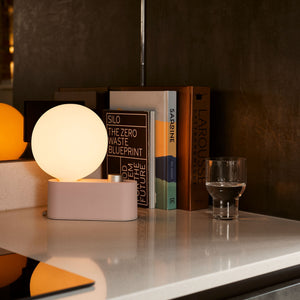
A piece such as a multi-use LED table and wall light can be relevant in spaces where flexibility matters, especially when buyers want lighting that supports both function and visual refinement.
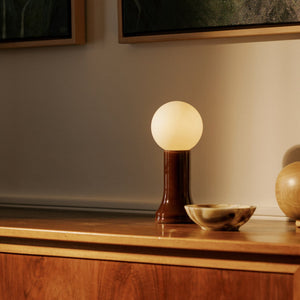
Not every table setting calls for task-oriented brightness. In many interiors, the goal is a more relaxed, inviting feel that supports conversation and everyday use without making the area feel stark. A recycled glass table lamp fits naturally into that kind of setup because it contributes atmosphere while still serving a practical purpose.
Warm light can deepen wood tones and soften the look of a room. Cooler or harsher lighting can exaggerate glare and make some surfaces feel less comfortable. This is another reason why table selection should be considered alongside the environment where it will live. A good setup works as a whole.
Accessories can make a bistro table more usable, but restraint matters. The appeal of this table type often comes from openness and simplicity. Over-accessorizing can erase that advantage.
Useful additions might include lighting, a small tray, a nearby catchall, or supporting pieces that make the area easier to use without filling the tabletop. In more flexible spaces, buyers sometimes explore office furniture accessories to find complementary elements that support daily function while preserving a clean footprint.
A small table does not need many objects to feel finished. In fact, the most successful setups often rely on just a few carefully chosen details. The goal is to make the surface feel ready for use, not occupied before anyone sits down.
Many regrets can be traced back to one pattern: the table looked right before it lived right. Avoiding that outcome means staying disciplined about the fundamentals.
| Buying factor | Why it matters | What to look for | Risk if ignored |
|---|---|---|---|
| Footprint and clearance | Affects movement and ease of use | Space for chairs and walkways | Cramped layout |
| Shape and base design | Influences circulation and legroom | Round top, balanced base, flexible seating | Awkward movement and seating |
| Chair compatibility | Determines comfort and posture | Correct seat height and scale | Uncomfortable daily use |
| Surface finish | Affects maintenance and long-term appearance | Practical, easy-to-live-with material | Visible wear and frustration |
| Lighting and accessories | Shapes atmosphere and usability | Functional, restrained support pieces | Setup feels incomplete or cluttered |
Filling all available space rarely leads to the best experience. A compact room benefits more from balance than from maximum capacity. Open space around the table is part of what makes it useful.
A table may be the centerpiece, but the chairs determine much of the comfort. Buying them separately without thinking about fit can undermine the entire setup.
A buyer may picture the table mainly for dining, then end up using it for reading, quick work sessions, or casual meetings. Planning for actual behavior, not idealized behavior, leads to better choices.
The strongest bistro table decisions are not based on trends or on isolated product appeal. They come from aligning the table with the room, the users, and the routine.
1. How much usable clearance will remain once chairs are occupied?
2. What activities will happen at the table most often?
3. Which chair dimensions fit the table comfortably and attractively?
4. How much wear will the surface see in normal daily use?
5. Does the table feel visually connected to the surrounding room?
A good bistro table is not only attractive. It is easy to move around, comfortable to sit at, appropriate for the space, and durable enough for the habits that surround it. It supports the room quietly and consistently.
That is ultimately what matters most before choosing one. The best option is rarely the one with the most dramatic presence. It is the one that fits the room honestly, supports real use gracefully, and continues to feel right long after the first impression has passed.


You have unlocked free shipping!
You're saving $29 and unlocked free shipping!
Leave a comment