






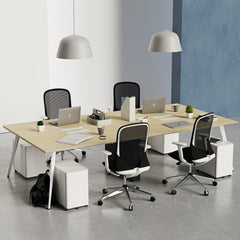
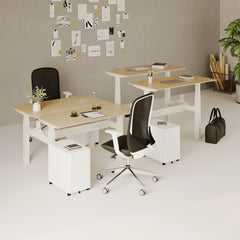
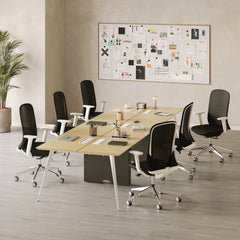


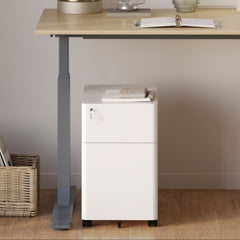


Filing Cabinet Choices for Cleaner Workstation Planning
Cleaner workstation planning starts with filing storage that matches the desk, document volume, security needs, and daily workflow. Explore how cab...
Learn more
Visit quiz page to see how we makes it easy to create an inspiring workplace


Taking breaks is easy to say and hard to do. Most people don’t skip breaks because they’re lazy. They skip breaks because their space doesn’t support them. When your desk is positioned in a way that keeps you locked in, or your room feels too cramped to move, breaks start to feel inconvenient. The good news is that you can design better breaks into your day just by changing how your furniture is arranged. A break-friendly workspace helps you step away, reset your body, and come back with clearer focus.
A lot of workspaces are arranged to maximize productivity, but they accidentally minimize recovery. Your desk faces a wall, your chair stays in the same spot all day, and everything you need is within arm’s reach. That sounds efficient, but it also makes it easy to stay in “work mode” for too long. When your environment has no natural stopping points, you push through fatigue until your brain forces a break through distraction, scrolling, or burnout.
A better furniture arrangement encourages breaks without needing extra motivation. It creates gentle cues like a clear walking path, a visible place to stretch, or a separate spot for a quick reset. Even in small rooms, the right arrangement can help you move more and rest better.
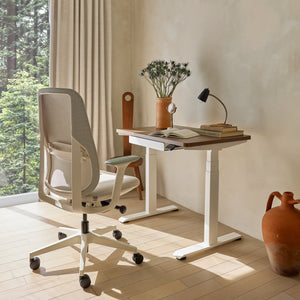
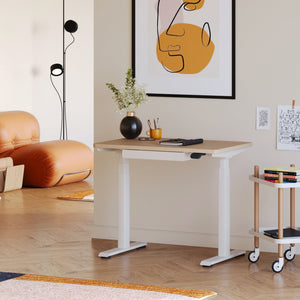
If you’re working with limited space, a compact Small Standing Desk California setup can make it easier to build movement into your day while keeping your workspace organized and easy to reset.
The easiest break to take is the one that doesn’t require you to leave the room. Standing breaks, posture changes, and quick movement resets can be built into your layout.
When your desk is pressed tightly into a corner, it can feel like a “locked-in” station. If you have even a little space, pulling the desk a few inches away from the wall can make the area feel more breathable and easier to move around.
you can stand and stretch without bumping into furniture
you can roll your chair back comfortably
you feel less boxed in during long sessions
you create space for quick movement resets
leave at least a small gap behind your chair
keep your walking path clear
avoid blocking your door with desk placement
keep a “stretch corner” open in the room
A desk that encourages movement makes breaks feel more natural. When you can change posture without stopping your workflow, you take breaks more often without thinking about it.
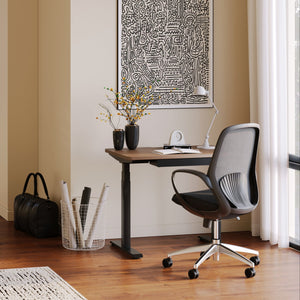
A flexible standing desk setup supports this because it lets you switch between sitting and standing throughout the day.
stand for short tasks like checking emails
sit for deep focus work like writing or design
stand for calls or meetings
switch positions every 60 to 90 minutes
keep your desk layout identical in both positions
don’t wait until you feel tired to stand
treat standing as a reset, not a workout
pair it with a sip of water to build a habit
A great break is not just stopping work. It’s changing your environment. Even a small shift in location helps your brain release tension.
You don’t need another room. You just need a different spot that signals “pause.”
a small chair near a window
a clear corner for stretching
a spot for breathing and posture resets
a standing area away from your desk
keep it screen-free if possible
don’t place it right next to your monitor
keep it uncluttered so it feels calming
use it for 2–5 minutes at a time
The way a space is designed influences behavior more than most people realize. If your layout makes it easy to stay seated all day, you will. If your layout makes it easy to move, you will.
This article on how interiors shape behaviour explains why space design affects how we act, which is exactly why furniture arrangement can improve your break habits.
open space you can step into
a clear visual boundary between work and rest
fewer obstacles that make movement feel annoying
a room that feels breathable, not cramped
face your desk away from your break zone
keep your break zone visible so you remember it
leave space for a short walk loop if possible
avoid stacking storage in your “movement area”
Your chair is not just where you sit. It’s what you return to. If your chair is uncomfortable or positioned awkwardly, you may avoid breaks because coming back feels unpleasant. Or you might take breaks by slumping elsewhere, which doesn’t actually help your posture recover.
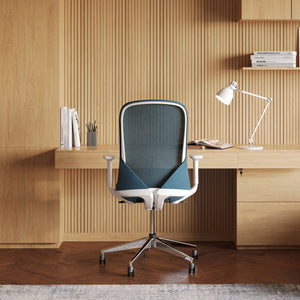
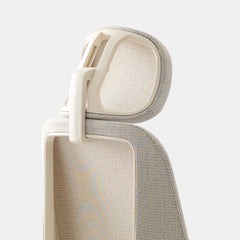
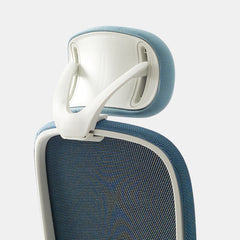
A supportive office chair can improve break quality because it supports your body while you work and makes returning to your desk feel easier. When your chair feels good, you stop “escaping” your workspace and start using breaks intentionally.
Some breaks happen because your body is forced into them. Neck strain, eye fatigue, and shoulder tension create a type of break that doesn’t feel refreshing. It feels like you’re running out of energy.
When your monitor sits too low, you naturally lean forward. That creates tension in your neck and shoulders, and it makes you feel drained faster.
A flexible monitor arm helps position your screen at a better height while clearing space underneath for a cleaner, calmer desk.
less neck strain means fewer “forced breaks”
your shoulders relax more naturally
your desk feels more open and breathable
you return to work feeling refreshed, not stiff
keep your screen at eye level
keep your keyboard close to your body
avoid working with your shoulders raised
keep your mouse within easy reach
A cluttered desk makes breaks feel unfinished. When you step away, your eyes still see work.
A clean office desk setup helps you create a stable work zone that is easier to reset quickly at the end of a session.
clear the desk center before stepping away
keep paper piles out of sight
store small items in one place
keep only your current task tools visible
use one tray for temporary items
keep a “to file” folder for paper
avoid stacking items under your monitor
do a 30-second reset before each break
Breaks are more likely when movement is easy. If your room is crowded and you have to squeeze around furniture, you will stay seated longer. A break-friendly room has a clear path you can walk without thinking.
Even a small loop helps:
desk to doorway
doorway to kitchen
kitchen back to desk
If you can’t walk far, you can still stand and stretch in an open space.
The key is removing obstacles that make movement feel like a hassle. Breaks should feel easy, not like another task.
Here are simple layout changes that encourage better breaks without redesigning your whole room.
|
Arrangement Change |
What It Improves |
Why It Encourages Breaks |
Best For |
|
Desk pulled slightly off the wall |
movement space |
makes standing breaks easier |
small rooms |
|
Reset zone in a corner |
mental refresh |
gives your brain a pause spot |
long workdays |
|
Clear walking path |
more steps |
makes movement automatic |
busy schedules |
|
Raised screen setup |
less tension |
reduces fatigue-driven breaks |
screen-heavy work |
|
Separate chair position |
comfort |
makes returning to work easier |
daily use |
A great layout supports habits. You don’t have to rely on discipline. Your space can remind you.
You don’t need sticky notes everywhere. You need one simple cue.
water bottle placed slightly away from the desk
stretching mat rolled in the corner
a small timer near your monitor
a clear space beside your desk for standing
keep reminders minimal so they don’t distract you
place them where you naturally look
reset them at the end of the day
keep the area clean so it stays inviting
Micro-breaks are short resets that take 30 seconds to 3 minutes. They are the easiest breaks to maintain daily.
stand and stretch beside your desk
look out a window for 20 seconds
refill water and walk back
do one lap around the room
take one micro-break after every major task
stand up before you check your phone
stretch when you switch from typing to reading
reset your posture before sitting back down
Better breaks don’t have to be long. They just need to actually reset you. A good break changes posture, changes focus, and gives your brain a moment of relief. Your furniture arrangement can either make that easy or make it feel like a chore.
When your workspace supports movement, comfort, and small transitions, you stop pushing through exhaustion. You start working in healthier cycles.
A break-friendly space makes your workday feel lighter because you are not running on empty.
Your space does not need to be big. It needs to be intentional. With a few smart furniture shifts, you can create a layout that encourages breaks naturally and supports better energy throughout the day.
leave space behind your chair for easy movement
create a small reset zone away from your screen
keep a clear walking path through the room
use a sit-stand option to support posture changes
lift your screen to reduce tension and fatigue
keep your desk center clear before stepping away
store clutter so breaks feel mentally clean
use one simple break cue (timer, water, stretch corner)
When your furniture arrangement supports breaks, you stop treating rest like a reward. It becomes part of how you work, and your focus improves because your body and mind get the resets they need.


You have unlocked free shipping!
You're saving $29 and unlocked free shipping!
Leave a comment