



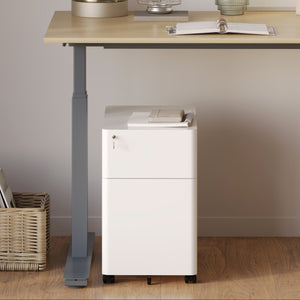






















Filing Cabinet Choices for Cleaner Workstation Planning
Cleaner workstation planning starts with filing storage that matches the desk, document volume, security needs, and daily workflow. Explore how cab...
Learn more
Visit quiz page to see how we makes it easy to create an inspiring workplace


Modern furniture design is not merely about aesthetics; it is a philosophy rooted in the principle that form should serve function—beautifully, efficiently, and enduringly. Gone are the days of ornate, bulky, or purely decorative pieces. Today's professional and domestic environments demand furniture that solves problems: supporting the human body, eliminating clutter, and maximizing space. The highest expression of modern design successfully marries clean lines and high-quality materials with advanced ergonomic and kinetic engineering.
This intentional merging of design and utility means that every curve, every angle, and every mechanism in a contemporary piece has a purpose. When choosing furniture, you are selecting more than decor; you are choosing tools that enhance your comfort, focus, and overall well-being. Understanding this relationship is key to building a workspace that is both visually inspiring and relentlessly productive.
The true test of modern design is not how it looks initially, but how it supports the user over years of continuous use. Longevity, adaptability, and ergonomic intelligence are the design metrics that matter most.
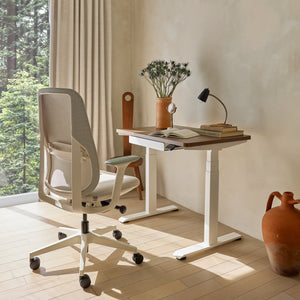
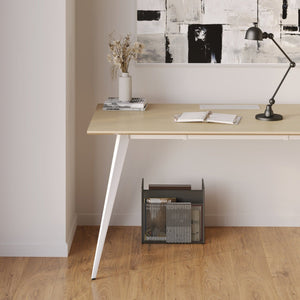
The essential element embodying this fusion is the desk—a sophisticated, stable piece that anchors the workspace. A professional fixed work surface provides the clean lines and permanence demanded by contemporary aesthetics.
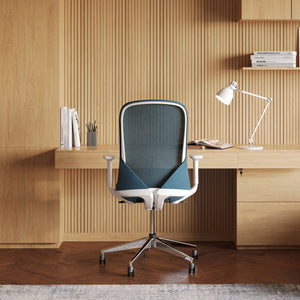
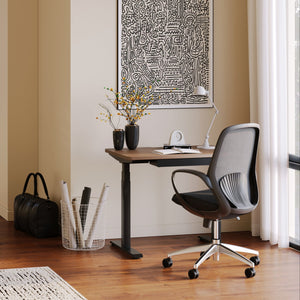
In modern seating design, ergonomics is not an afterthought but the defining characteristic of the form. The contours of the chair are engineered to mimic and support the natural curves of the human spine, ensuring comfort is physically baked into the design.
Advanced seating solutions feature subtle, yet sophisticated, curves and adjustability points that respond dynamically to the user's micro-movements. This creates a piece that is visually appealing precisely because its shape is optimized for the human form.
A high-quality seating solution demonstrates this principle, where the materials and mechanism are designed to be beautiful and highly functional, supporting the user through long sessions of deep work.

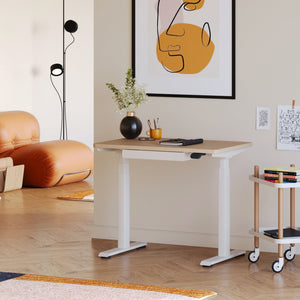
The best modern desks conceal complex, motorized technology within sleek, minimalist frames. The goal is to provide fluid movement and dynamic posture support without the visual distraction of exposed wires or mechanisms.
The transition from sitting to standing must be quiet, stable, and seamless. This functionality is delivered by powerful, discreet dual motors and integrated cable management systems, ensuring the furniture’s aesthetic integrity is maintained at every height.
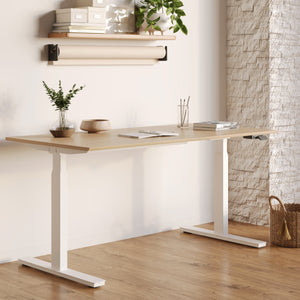
A motorized height-adjustable work desk is the ultimate expression of hidden function, enabling movement without sacrificing the clean, architectural look of the workspace.
Modern design often embraces minimalist principles, and this approach is inherently functional for productivity. The absence of clutter and unnecessary ornamentation creates visual quiet, which directly supports cognitive focus.
Minimalism, as a design philosophy, emphasizes clean lines, essential forms, and the reduction of complexity. This directly aligns with the need for high concentration, as documented in studies on the impact of environmental simplicity on mental clarity.
True modern design selects materials based on their ability to perform and endure. High-quality materials like heavy-gauge steel, durable laminates, and performance fabrics ensure the furniture maintains its form and function for decades.
Choosing furniture designed for longevity means selecting pieces where the material choice is a functional decision, not just an aesthetic one. Durability is a core component of the function, reducing the need for replacement and waste.
Modern life demands flexibility. Contemporary furniture is often designed to be modular, meaning it can be reconfigured, expanded, or adapted to changing professional and residential needs.
This modularity is a critical functional element, allowing a single investment to serve multiple purposes over time—from an individual workstation to a collaborative unit. This adaptability is key for long-term value.
In collaborative or shared hybrid environments, the modern design solution is a single, aesthetically unified piece that offers independent functional zones for each user.
A collaborative adjustable desk seamlessly integrates multiple functional elements—like independent height controls and segregated cable management—into a single, cohesive form. This allows two people to maintain individual ergonomic standards without aesthetic or spatial compromise.
Messy cables detract from both the aesthetic and the function of a workspace. Modern furniture design addresses this by making cable management an integrated, invisible part of the structure.
Built-in cable trays, grommets, and routed leg channels are essential design features. They allow the user to achieve a clean, floating-surface look that maximizes both the aesthetic quality and the ease of cleaning, contributing to psychological comfort.
In demanding metropolitan areas, furniture must meet stringent standards for both ergonomic performance and sophisticated design. This confluence of high function and high form defines regional market leaders.
Professionals in certain areas require pieces that fit both a modern aesthetic and a high-performance profile. Selecting a specialized California Office Chair ensures the piece aligns with both regional design trends and the necessary ergonomic complexity for daily professional use.
The characteristic clean lines of modern furniture—simple geometry, sharp corners, and smooth surfaces—are not just stylish; they are functional, making the space feel less cluttered, more structured, and inherently calmer.
The absence of unnecessary complexity in the furniture design helps frame the work itself. The desk and chair recede into a supportive, architectural background, allowing the user's focus to remain entirely on the tasks at hand.

Modern furniture design is a disciplined exercise where every choice—from material to mechanism—is a functional commitment. By prioritizing pieces that integrate advanced ergonomics, concealed dynamic motion, and minimalist aesthetics, you are building an architected space where form perfectly serves the purpose of high-level performance. This thoughtful investment transforms your environment into a powerful, beautiful tool for sustained success.


You have unlocked free shipping!
You're saving $29 and unlocked free shipping!
Leave a comment