

























How a Bistro Table Supports Modern Collaborative Furniture
A bistro table creates a practical middle ground between individual desks and formal meeting rooms. Explore how table height, round geometry,...
Learn more
Visit quiz page to see how we makes it easy to create an inspiring workplace


The traditional seated nine-to-five has created a public health crisis disguised as a normal workday. Prolonged sitting is linked to chronic fatigue, back pain, and metabolic slowdown, directly sabotaging productivity and long-term health. Owning an adjustable height unit is only half the battle; the true secret to sustained energy is learning how to use it to maximize movement, not just posture.
This guide moves beyond simple vertical adjustment to reveal the secrets of integrating dynamic movement into every hour of your workday. By applying tactical shifts, precise ergonomic setup, and intentional movement breaks, you can transform your workstation from a static environment into an active catalyst for all-day energy, focus, and vitality. The goal is to make movement effortless and automatic.
Thinking of your day as cycles of movement rather than long periods of stillness is key to unlocking the full potential of your adjustable workstation.
Frequent Transitions: Change posture every 30 to 60 minutes.
Micro-Movements: Incorporate subtle shifts and stretches while standing or sitting.
Ergonomic Precision: Ensure perfect alignment in both positions to avoid strain.
The most effective hack for sustained energy is establishing a rhythmic routine for changing your posture. The 45/15 Rule is a powerful starting point for maximizing your adjustable desk’s potential.
Work in your deep-focus seated state for no more than 45 minutes, then transition to standing for 15 minutes for lighter tasks, calls, or planning. This predictable, frequent shift prevents muscle fatigue and cognitive stagnation, ensuring that you return to sitting with renewed focus.
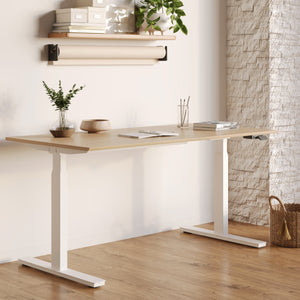
This dynamic rhythm is seamlessly supported by the motor and memory presets of a high-quality stand up desk, making the transition quiet and automatic.
Standing is only beneficial if it's done correctly. Many people stand too low or too high, trading back pain for neck pain. Precision is paramount to ensure your body benefits fully from the upright position.
Your standing height must be set so your elbows remain bent at a comfortable 90 to 100-degree angle, allowing your wrists to stay flat and neutral on the work surface. Concurrently, the monitor height must be adjusted so the top third of the screen is at eye level.
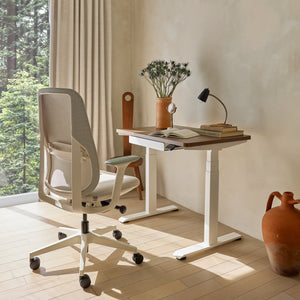
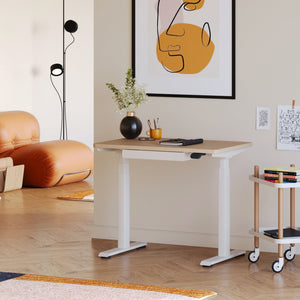
For those with limited space, this precision is essential. A streamlined, high-performance unit, such as the Small Standing Desk California, provides the necessary dynamic range without consuming excessive space.
While movement is key, sitting time remains crucial for focused work. The quality of your seated support directly influences your energy levels and ability to recover during seated periods.
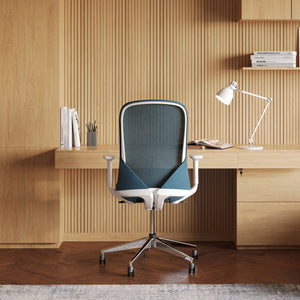
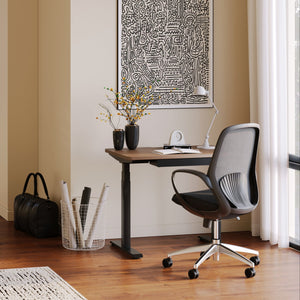
Your ergonomic chair must provide complete, customizable support, including lumbar curvature, seat depth, and armrest height. A chair that forces you into a poor posture will quickly negate the benefits of your standing cycles.
A premium ergonomic chair, with its advanced adjustability, ensures that every seated minute is a restorative one, priming you for the next movement cycle.
When you transition from sitting to standing, your monitor must move with you. Failure to adjust the screen height correctly causes immediate neck strain, defeating the purpose of dynamic posture.
The screen height needs to be perfectly calibrated for both the seated and standing desk heights. This constant adjustment requires a fluid, flexible accessory.
A dedicated desk accessory allows you to quickly lift and tilt your monitor, keeping the top-of-screen-at-eye-level rule intact, regardless of the vertical position of the desk.

Even with a primary adjustable desk, having a fixed area dedicated to certain tasks can enhance the overall flow of movement and focus.
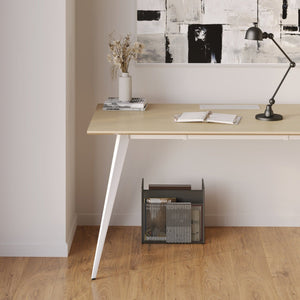
A secondary, lower office table can be used as a stable surface for deep manual work, sketching, or organizing, providing an intentional break from the main screen and promoting physical rotation.
A high-quality, fixed office desk provides a stable, secondary zone that supports varied body movements throughout the day.
Movement is not just about standing up; it’s about subtle shifts while you work. Incorporating micro-movements prevents single muscle groups from fatiguing.
Standing: Shift your weight frequently from foot to foot or step lightly in place.
Sitting: Use your chair's tilt function for subtle rocking or gently stretch your back and neck every few minutes.
These tiny, frequent changes dramatically increase blood flow and alertness without requiring you to stop working.
Making dynamic work automatic requires building an intrinsic habit. Your environment should cue the action, not your willpower.
Work Cycle Completion: Finish a major task (e.g., reply to 5 emails).
Desk Adjustment: Press the preset memory button on your adjustable unit.
Monitor Adjustment: Quickly realign the monitor height.
Task Switch: Immediately transition to a non-intensive task (e.g., phone call or reading).
This ritualistic pattern makes the movement automatic and ties it to measurable output.
The entire goal of dynamic movement is to maintain a state of sustained alertness throughout the day, avoiding the midday slump that kills productivity.
Movement stimulates the production of certain neurotransmitters, enhancing mood and focus. This physical activity is directly linked to better information processing and decision-making, confirming the efficacy of dynamic workstations in enhancing the science of office productivity design.
Identifying and removing barriers is essential for maintaining the movement routine. A common barrier is poorly managed cables or bulky accessories that impede the desk’s smooth vertical motion.
☐ Cable Management: Secure all wires beneath the desk so they do not snag during height transition.
☐ Peripheral Stability: Ensure the monitor arm is correctly tightened to prevent monitor wobble when standing.
☐ Foot Comfort: Use a high-quality anti-fatigue mat while standing to reduce joint stress.
The cumulative effect of integrating frequent movement far exceeds immediate comfort. It's a fundamental investment in your metabolic health and career longevity.
Consistent movement reduces the chronic inflammation and metabolic dysfunction associated with static sitting, leading to greater long-term energy and a healthier body composition.
Structuring your day around dynamic movement cycles ensures no long periods of stillness occur. This is not about being busy; it's about being fluid.
|
Time Slot |
Posture |
Activity Type |
Productivity Goal |
|
9:00 AM - 10:00 AM |
Standing |
Emails, Planning, Calls |
Setting the Day's Agenda |
|
10:00 AM - 11:30 AM |
Sitting |
Deep Focus Task, Writing |
Complex Creation |
|
11:30 AM - 12:00 PM |
Standing |
Reviewing Documents, Stretching |
Mid-Morning Reset |
|
1:00 PM - 2:00 PM |
Standing |
Collaboration, Video Meetings |
Post-Lunch Energy Boost |
|
2:00 PM - 3:30 PM |
Sitting |
Analysis, Coding |
Sustained Deep Work |
|
3:30 PM - 5:00 PM |
Standing |
Administrative Tasks, Final Review |
End-of-Day Clarity |

In smaller setups, dynamic furniture is inherently more efficient. The ability to shift between seated and standing height essentially creates two distinct workspaces in the footprint of one.
When the desk is raised, the area beneath it becomes open space, allowing the user to move freely or even store items that would otherwise clutter the floor, maximizing the utility of the compact footprint.
The secret to maximizing movement is intentionality and precision. By applying the 45/15 Rule, maintaining strict ergonomic alignment in both sitting and standing positions, and using your adjustable unit to actively coach your movement, you transform your workday. This investment in continuous, dynamic posture is the key to unlocking all-day energy, sharper focus, and long-term health.


You have unlocked free shipping!
You're saving $29 and unlocked free shipping!
Leave a comment