










Filing Cabinet Choices for Cleaner Workstation Planning
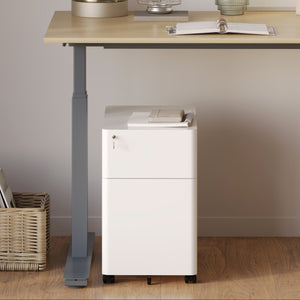
Cleaner workstation planning starts with filing storage that matches the desk, document volume, security needs, and daily workflow. Explore how cab...
Learn more
Visit quiz page to see how we makes it easy to create an inspiring workplace


The modern home often requires spaces to serve dual or even triple duty. For students and professionals living in compact environments, the challenge is not just fitting both a study area and a work station into one room, but doing so without creating visual chaos. Clutter is not merely an aesthetic problem; it is a cognitive roadblock that disrupts focus and adds a layer of background stress. When your workspace and personal space constantly collide, your productivity suffers.
The solution lies in intentional design—a strategic method of blending function through cohesive aesthetics, concealed organization, and multi-functional core pieces. By establishing clear boundaries and prioritizing furniture that actively manages clutter, you can create a single, seamless environment that supports both focused work and relaxed study, all while preserving the calm of your home.
Visual clutter forces the brain to expend energy processing irrelevant stimuli, a cognitive drain that diminishes capacity for deep work. A blended, clutter-free workspace, as espoused by design principles like minimalist aesthetic guidelines, promotes mental calm and effortless focus.
In a blended room, the furniture itself must be used as a structural tool to define separate activity zones. This physical separation translates to psychological clarity.
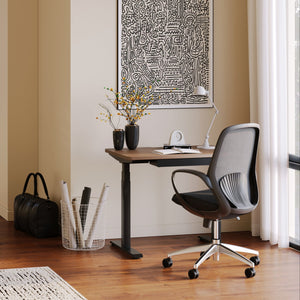
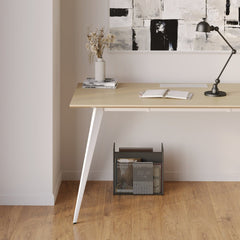
The primary work surface should be positioned to anchor the "professional" zone. This often means placing a substantial, reliable office desk to clearly signal the area dedicated to serious tasks. The key is to ensure this piece is large enough for workflow but proportional to the room.
Clutter is the accumulation of items without a home. The solution for a seamless blended space is to invest in core furniture that integrates storage, effectively making clutter disappear behind closed doors.
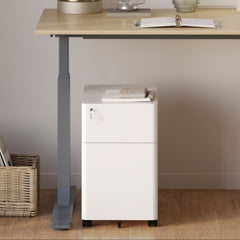
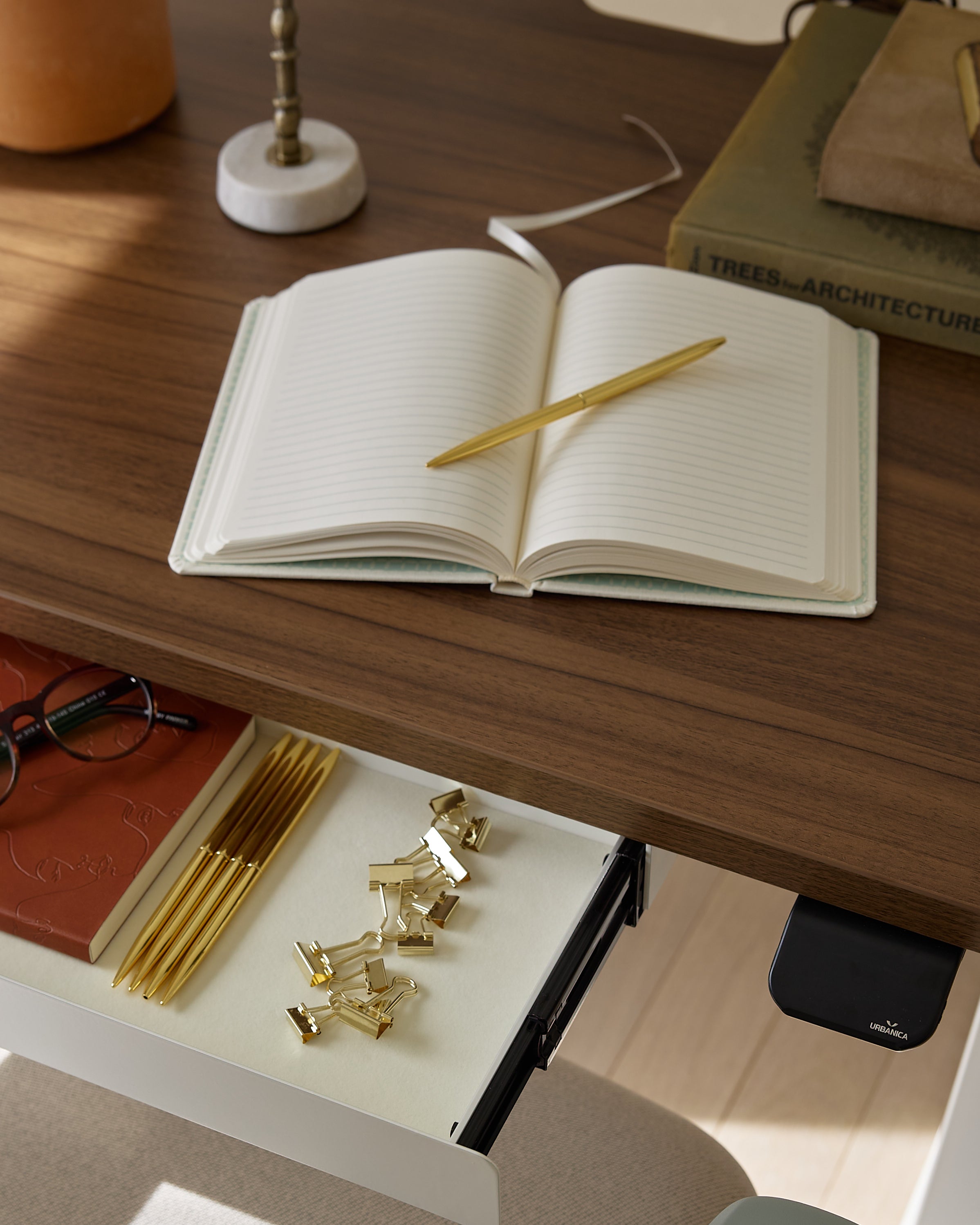
Prioritize desks and complementary shelving that offer drawers, cabinets, or filing units to conceal all non-essential items—cables, stationery overflow, personal papers, and study materials. If you can’t see it, it doesn't exist as a distraction.
☐ Active Tools: Kept on desk, minimized (laptop, pen).
☐ Immediate Supplies: Stored in desk drawers.
☐ Reference Materials: Stored in closed cabinets or vertical files.
☐ Cables/Electronics: Routed and managed out of sight.
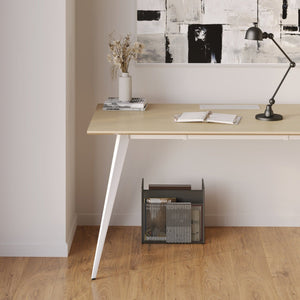
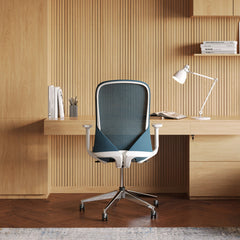
For a blended space to feel cohesive, the furniture and accessories must share a common material, color, or style. Mismatched pieces create visual noise, even when tidy.
Select a unified palette, often leveraging natural wood tones, matte metals, or consistent neutral colors. This cohesive approach ensures that your workspace blends effortlessly with the rest of your home decor, fulfilling both work function and personal aesthetic.
In small or blended spaces, every piece of furniture must justify its footprint by offering utility beyond its primary function.
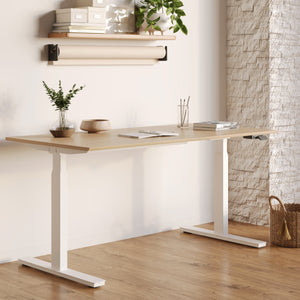
Choose a surface that is large enough for work or study but visually light and adaptable enough for home use. A high-quality, professional work desk can double as a subtle room divider while providing the stability required for intense focus.

When floor space is limited, the solution is to draw organizational elements vertically, which reduces the feeling of being closed in while providing necessary storage.
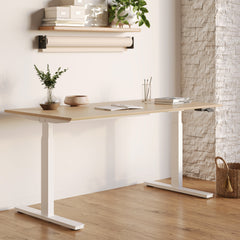
Utilize tall, slender bookshelves or wall-mounted shelving above the desk. This allows you to store books, study materials, and files without consuming precious floor or desk surface area.
Dynamic furniture—pieces that can change their configuration—are key to blending spaces. They allow the zone to physically adapt to the task at hand, whether it’s focused sitting or active standing.
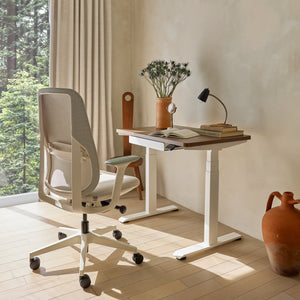
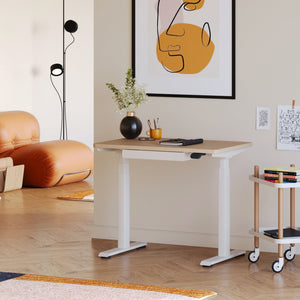
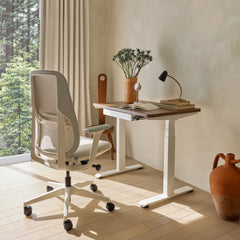
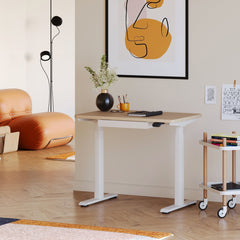
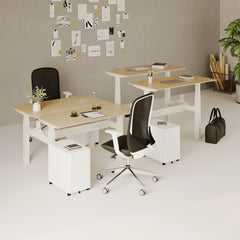
A quick and quiet transition from sitting to standing can differentiate a work task from a study session, or simply refresh the user's focus. The most effective tool for this transition is a height-adjustable surface.
If two individuals share a study or work area, clutter is amplified. The solution is using an integrated piece of furniture that physically enforces two independent, organized zones.
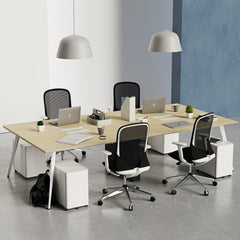
A specialized piece like a two-person collaborative surface provides a single footprint with defined, autonomous areas. This ensures that one person's inevitable clutter or papers do not creep into the other person's focused space.
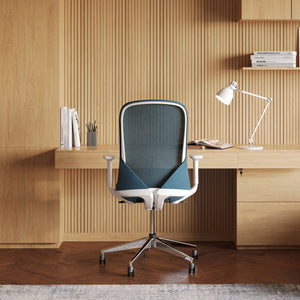
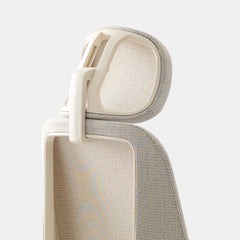
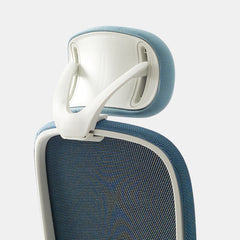
True ergonomic design goes beyond comfort; it's about supporting the body so completely that physical distraction is eliminated. This directly contributes to a calm, uncluttered mind.
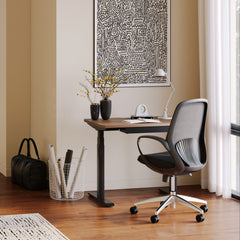
A supportive, fully adjustable seat maintains neutral alignment, which prevents the chronic physical friction that translates into mental chaos. By removing the pain signal, you remove a major source of cognitive clutter.
In particularly cramped areas common in large cities, a traditional desk may be impossible. The small-footprint alternative must still deliver high functionality without adding to the feeling of confinement.
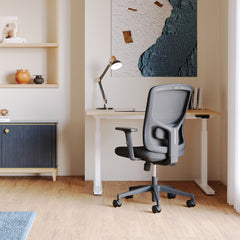
For tight corners or apartments, professionals need a desk that maximizes vertical motion while minimizing width and depth. For those demanding high function in minimal space, a specialized Mini Standing Desk Los Angeles offers dynamic versatility without the bulk.

The single most effective long-term strategy for blending spaces without clutter is a non-negotiable end-of-day ritual dedicated to tidiness.
|
Action |
Goal |
Impact on Next Day |
|
Clear Surface |
Nothing remains but monitor/laptop |
Visual calm; effortless start |
|
File Active Papers |
All papers stored in drawers/bins |
Reduces mental load and anxiety |
|
Manage Cables |
All wires secured/hidden |
Eliminates visual noise |
|
Calibrate Chair |
Set chair to neutral position |
Encourages correct posture immediately |
Blending study and work areas successfully is an exercise in intentional, clutter-management design. By investing in multi-functional, aesthetically cohesive furniture that integrates vertical and concealed storage, you build a singular, seamless surface. This strategic approach ensures your environment supports both focused productivity and domestic calm, allowing you to transition between tasks without the distraction of visual noise.


You have unlocked free shipping!
You're saving $29 and unlocked free shipping!
Leave a comment