










Filing Cabinet Choices for Cleaner Workstation Planning
Cleaner workstation planning starts with filing storage that matches the desk, document volume, security needs, and daily workflow. Explore how cab...
Learn more
Visit quiz page to see how we makes it easy to create an inspiring workplace


An efficient office is rarely defined by the size of the space or the number of tools available. What often makes the biggest difference is how the furniture is arranged. A thoughtful layout can help employees move comfortably, access the tools they need, and stay focused throughout the day.
When desks, chairs, and accessories are positioned strategically, the entire office becomes easier to navigate. Employees spend less time adjusting their environment and more time concentrating on their work.
Furniture layout affects everything from collaboration to posture. A workspace that is carefully arranged creates natural pathways, reduces clutter, and supports productivity.
Instead of treating furniture placement as an afterthought, businesses can use layout strategies to transform an ordinary office into a space that works more efficiently.
Workspace layout plays a major role in how efficiently employees perform their daily tasks. When furniture is arranged without a clear structure, people may struggle to access tools, communicate with coworkers, or maintain comfortable posture during long work sessions.
Research discussed in this article on the science of office productivity design highlights how workspace design affects focus and efficiency. When the environment supports movement, visibility, and organization, employees can complete tasks with fewer distractions.
An efficient office layout considers several important factors. These include the placement of desks, the flow of foot traffic, access to shared equipment, and overall comfort.
When these elements are balanced, the workspace feels natural to navigate. Employees can move freely without interruptions, and the entire office operates more smoothly.
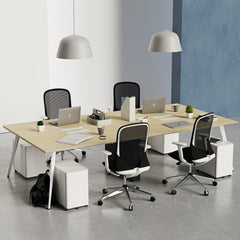
The desk is the center of most office tasks. The way desks are positioned within the workspace determines how easily employees can communicate, focus, and access resources.
A well positioned office desk provides enough space for daily tools while maintaining clear pathways around the workspace.
When planning desk placement, it is helpful to think about how employees interact with their environment throughout the day.
An effective desk layout often includes:
• Clear walkways between desks
• Adequate space for chairs and movement
• Easy access to shared equipment
• Logical groupings for teams that collaborate
These factors help reduce interruptions and make daily tasks easier to complete.
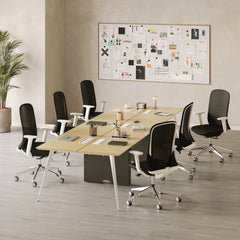
A balanced office layout allows employees to concentrate on individual tasks while still having the ability to communicate with coworkers when necessary.
Ways to support both needs include:
• Positioning desks in small clusters for teams
• Leaving space between workstations to reduce noise
• Orienting desks to limit visual distractions
• Providing quiet areas for focused work
These strategies create a workspace that encourages productivity without sacrificing teamwork.
Modern offices increasingly support flexible work habits. Employees often switch between tasks that require deep focus and those that involve collaboration or quick communication.
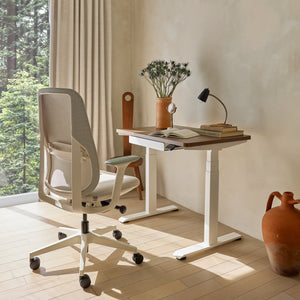
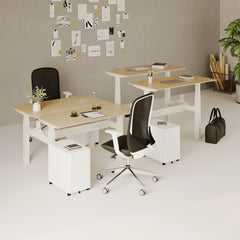
A height adjustable standing desk adds flexibility to the workspace by allowing employees to alternate between sitting and standing.
Encouraging movement within the office can improve both comfort and productivity.
Advantages of adjustable workstations include:
• Improved circulation during long work sessions
• Reduced strain on the lower back
• Greater energy throughout the day
• More adaptable workspace for different tasks
These benefits help employees maintain focus and physical comfort.
Adjustable desks work best when they are placed in areas with enough space for movement.
Helpful layout considerations include:
• Leaving space behind the desk for standing adjustments
• Positioning desks near natural light when possible
• Allowing enough room for chairs and accessories
• Maintaining clear pathways around adjustable workstations
When integrated thoughtfully, adjustable desks enhance the efficiency of the entire workspace.
While desk placement influences movement and organization, seating determines how comfortable employees feel during long work sessions.
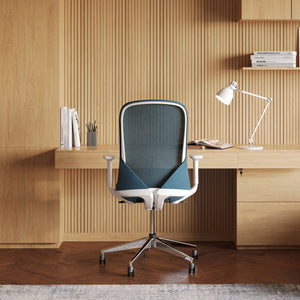
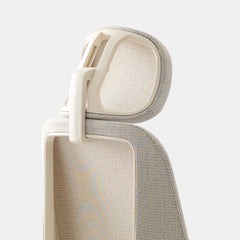
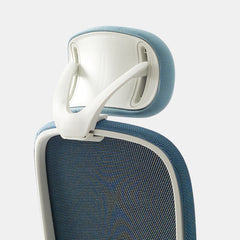
A supportive ergonomic chair helps maintain proper posture and reduces strain on the back and shoulders. Without ergonomic support, employees may experience fatigue that affects both focus and productivity.
Proper seating encourages better posture and allows employees to remain comfortable while concentrating on detailed tasks. Adjustable features also help accommodate different body types and preferences.
When employees feel physically supported, they are more likely to stay engaged with their work throughout the day.
The placement of computer monitors can significantly affect posture and visual comfort. When screens are positioned too low or too close, employees often lean forward or tilt their heads downward.
A flexible monitor arm allows users to adjust their screen height and angle easily.
Proper monitor positioning offers several advantages for workplace comfort.
• Reduces neck and shoulder strain
• Improves viewing angles
• Frees desk space for other tools
• Allows quick adjustments for different users
These improvements help employees maintain better posture throughout the workday.
Monitor arms also help keep desks organized by lifting screens off the surface. This extra space makes it easier to manage documents, devices, and accessories without clutter.
An organized workstation contributes to a calmer and more efficient work environment.
An efficient office layout considers how people move through the workspace. Clear walkways help employees reach meeting areas, shared equipment, and coworkers without interrupting others.
When pathways are blocked by furniture, even small movements can become frustrating. Over time these obstacles slow down daily operations.
Designing open pathways around desks and workstations allows employees to move freely. This layout also reduces the likelihood of accidental collisions between chairs and furniture.
The goal is to create a workspace where movement feels natural rather than restricted.
Companies looking for well designed Office Furniture California solutions often prioritize furniture that supports both function and efficient space planning.
|
Workspace Feature |
Inefficient Layout |
Efficient Layout |
|
Desk Placement |
Random arrangement |
Structured workstation groups |
|
Walkways |
Narrow or blocked |
Clear movement paths |
|
Seating |
Basic chairs |
Ergonomic seating |
|
Monitor Setup |
Fixed screens |
Adjustable monitor placement |
|
Movement |
Limited flexibility |
Standing and sitting options |
An organized layout supports productivity across the entire workplace.
Visual clutter can make it difficult for employees to stay focused. Too many objects or poorly arranged furniture pieces compete for attention.
Ways to reduce visual distractions include:
• Keeping desk surfaces organized
• Using consistent furniture styles
• Avoiding overcrowded layouts
• Limiting unnecessary decorations
These strategies help maintain a calm and focused environment.
Employees should be able to reach essential tools without leaving their desks repeatedly.
Helpful strategies include:
• Placing shared equipment in central locations
• Organizing cables and accessories
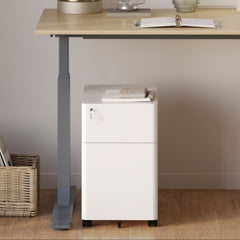
• Positioning storage near workstations
• Maintaining clear desk surfaces
Office layouts should support both individual concentration and team communication.
Ways to achieve this balance include:
• Grouping desks by department
• Providing quiet areas for focused tasks
• Allowing space for informal discussions
• Maintaining enough distance between workstations
This balance encourages productivity while still supporting teamwork.
When businesses invest time in designing an efficient office layout, the benefits extend beyond daily productivity. Employees often feel more comfortable and motivated in spaces that are thoughtfully organized.
A well planned layout reduces unnecessary movement, minimizes distractions, and supports healthy posture. Over time these improvements contribute to a more positive workplace experience.
Employees who feel comfortable in their environment are more likely to remain focused and engaged. This can lead to improved performance and stronger collaboration among teams.
Furniture layout may seem like a small detail, but it often shapes the entire workday.
Creating an efficient office layout begins with a few simple design decisions. The goal is to build a workspace that supports comfort, organization, and smooth daily operations.
Use this checklist when evaluating your office layout.
• Are desks positioned to allow clear walkways?
• Do employees have enough space to move comfortably?
• Are monitors positioned at eye level?
• Do chairs provide ergonomic support?
• Are shared tools easily accessible?
When these elements come together, the workspace becomes easier to navigate and more enjoyable to work in.
An efficient office does not rely on complicated systems. It relies on thoughtful furniture placement that supports the way people work each day.


You have unlocked free shipping!
You're saving $29 and unlocked free shipping!
Leave a comment