



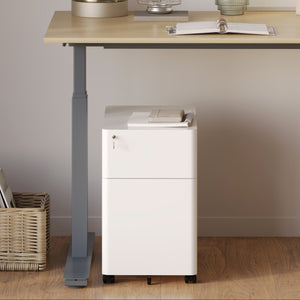






















Filing Cabinet Choices for Cleaner Workstation Planning
Cleaner workstation planning starts with filing storage that matches the desk, document volume, security needs, and daily workflow. Explore how cab...
Learn more
Visit quiz page to see how we makes it easy to create an inspiring workplace


Mixing furniture styles can feel intimidating, especially when you want your home to look intentional rather than chaotic. A room can shift quickly from stylishly eclectic to visually overwhelming if the pieces compete instead of complementing each other. The goal is not to match everything perfectly but to create harmony through balance, tone, and repetition. When done well, blended styles make a space feel layered, personal, and effortless. This guide walks you through the key principles that help you combine different furniture styles while maintaining clarity and flow.
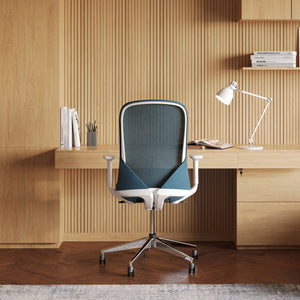
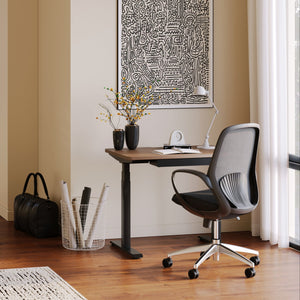
Every blended room needs one grounding piece that helps shape the color direction, tone, and visual weight of the space. A stable seating option such as a Los Angeles Ergonomic Chair provides both comfort and structure while anchoring the rest of your choices.
Prevents visual confusion
Creates a stable aesthetic reference
Helps guide contrast decisions
Keeps the room balanced
Supports comfort and practicality
Pick a piece that best reflects your core style preference. Whether that is modern, classic, or minimalist, the anchor prevents your space from feeling inconsistent.
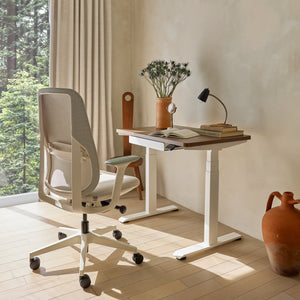
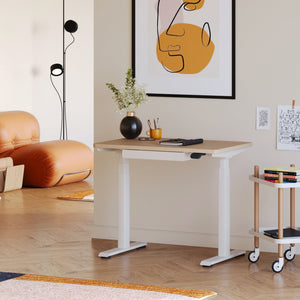
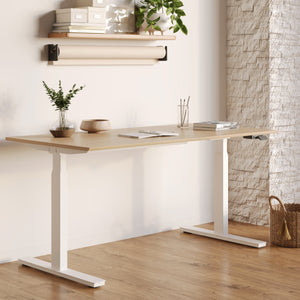
When combining styles, height variation is essential. Bringing in an adjustable surface like a standing desk adds dimension and creates natural transitions between styles.
Adds movement and depth
Breaks up visual monotony
Allows contrasting styles to blend
Enhances lighting flow
Keeps the eye traveling comfortably
Place taller items toward the back of the room or in corners to avoid crowding the center.
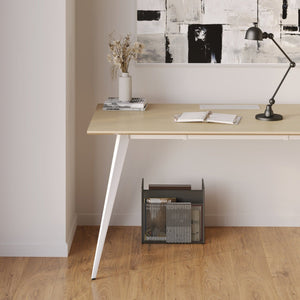
A simple, structured piece such as an office desk acts as a stabilizing force among mixed furniture styles. Its clean lines and straightforward design help bind varying shapes and materials together.
Reduces visual noise
Adds a functional focal point
Supports both modern and traditional additions
Harmonizes different wood tones
Keeps the room looking cohesive
Choose a desk in a neutral finish if your other furniture brings more character or contrasting tones.
A short ergonomic study offers insight into how people visually process space. While the study focuses on posture, the idea of balance applies to décor as well. Rooms feel calmer when weight, height, and visual mass are evenly distributed.
Heavy pieces need lighter companions nearby
Tall furniture benefits from softer surrounding shapes
Mixed materials look better when repeated
Bold accents need quiet areas to rest
Symmetry and asymmetry both have their place
Pair a heavy traditional piece with a lighter modern item for contrast that feels intentional.

Small functional pieces help bridge style gaps. A supportive accessory like an Ergonomic Arm provides comfort while quietly contributing to style cohesion.
Add subtle texture
Tie contrasting furniture together
Support ergonomics without visual clutter
Create transitional elements
Bring harmony to mixed palettes
Use supportive accessories on or near your anchor piece to reinforce cohesion.
A versatile seating option such as an office chair links mixed elements through texture, upholstery, and silhouette.
Neutral upholstery helps balance bold pieces
Smooth shapes soften angular furniture
Textured materials add depth
Adjustable height helps with visual placement
Simple legs blend into multiple design styles
Choose a chair with clean lines if your other furniture items are more decorative.
Color is one of the easiest tools for blending furniture styles. Repeating a color at least three times in different elements creates rhythm in the space.
Match a chair tone to a throw pillow
Echo wood tones across furniture legs
Repeat metal finishes in lamps or hardware
Use a consistent palette for textiles
Balance bold colors with neutrals
Aim for three repeating tones: a dominant shade, a supporting shade, and a soft accent.
|
Style |
Pairs Well With |
Why It Works |
|
Modern |
Traditional |
Clean lines balance ornate details |
|
Minimalist |
Mid-century |
Both rely on simple silhouettes |
|
Scandinavian |
Industrial |
Warm textures soften raw materials |
|
Rustic |
Modern |
Natural tones complement sleek surfaces |
|
Transitional |
Most styles |
Offers flexible blending |
Shape plays a major role in whether blended styles succeed or clash. A room with too many competing silhouettes feels messy. Choosing shapes that share some similarity helps unify the space.
Repeat curved edges across multiple pieces
Balance rectangular furniture with rounded décor
Use soft textiles to soften strong lines
Mix geometric pieces sparingly
Choose one shape family to dominate the space
A curved chair beside a rectangular desk creates balance without contrast overload.
Texture is a powerful unifier. When styles differ dramatically, adding consistent textures helps bridge the gap.
Linen softens metal-heavy pieces
Woven textiles warm modern surfaces
Matte finishes calm glossy accents
Natural wood brings depth to minimal spaces
Upholstery adds warmth to industrial elements
Use no more than three primary textures to keep the room from feeling busy.
Choose one anchor style
Repeat at least three colors
Balance visual weight across the room
Use height variation for layering
Keep textures consistent
Add supportive accessories for cohesion
Choose chairs that bridge styles
Avoid overcrowding large shapes
Introduce contrast intentionally
Create empty space for breathing room
Empty space, or negative space, is essential when blending styles. Without enough breathing room, mixed styles become overwhelming.
Highlights key pieces
Reduces visual clutter
Increases harmony between styles
Makes contrasts feel intentional
Supports calm movement in the room
Leave at least one uncluttered wall or corner to create calm and balance.

Blending furniture styles is less about perfect matching and more about thoughtful connections. Anchoring your space with a stable piece, repeating color or texture, balancing shapes, and giving your room room to breathe creates a space that feels cohesive and expressive. By choosing each element intentionally, you allow your home to reflect different influences without becoming chaotic. Mixed styles become your personal signature, creating an environment that feels fresh, grounded, and uniquely yours.


You have unlocked free shipping!
You're saving $29 and unlocked free shipping!
Leave a comment