



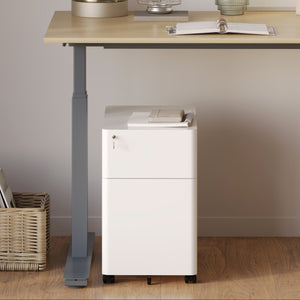






















Filing Cabinet Choices for Cleaner Workstation Planning
Cleaner workstation planning starts with filing storage that matches the desk, document volume, security needs, and daily workflow. Explore how cab...
Learn more
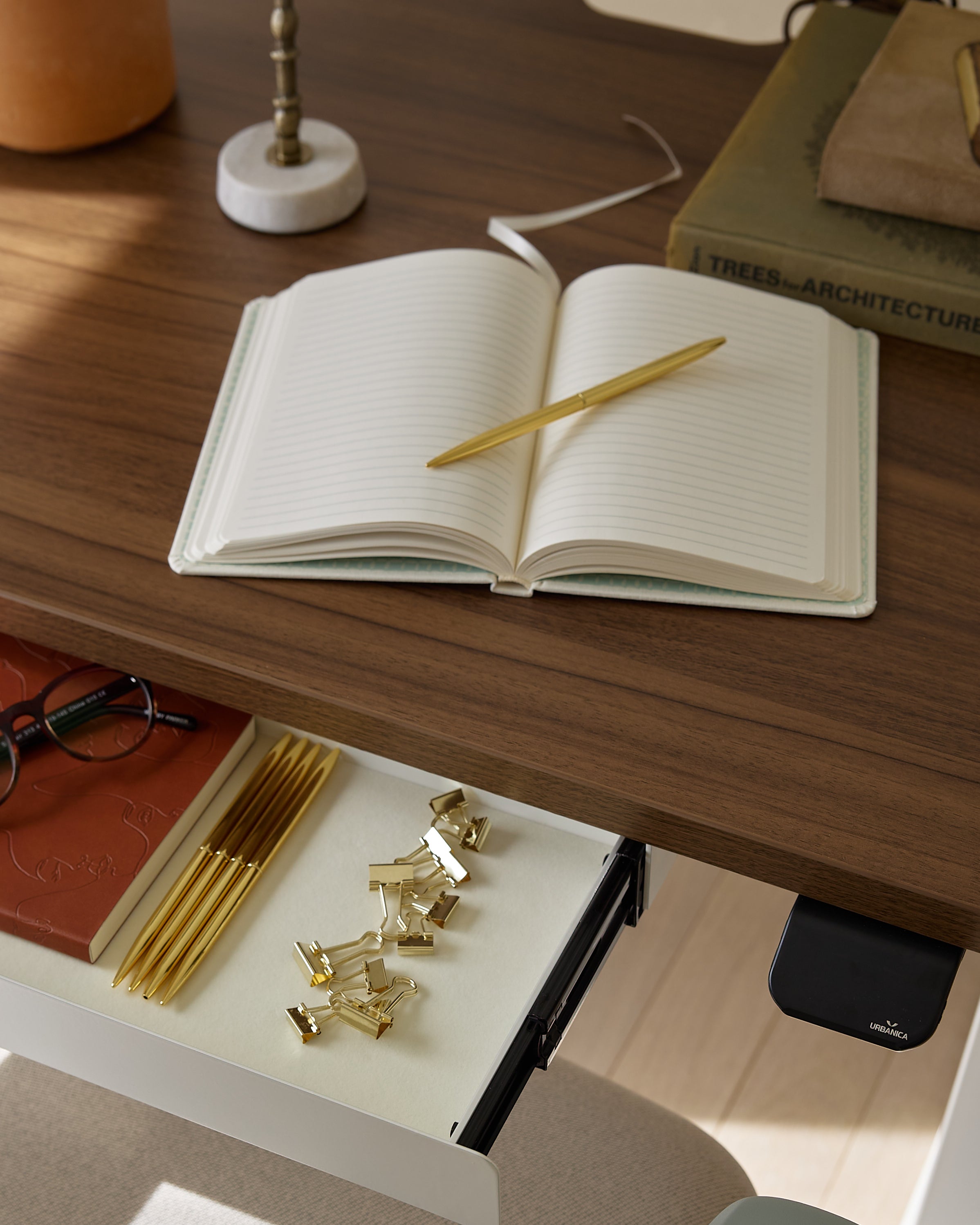
Visit quiz page to see how we makes it easy to create an inspiring workplace


Working from home has reshaped how people think about workspace design. Not everyone has the luxury of a dedicated home office, yet productivity still requires a comfortable and organized environment. Fortunately, a productive workspace does not require an entire room. With thoughtful furniture choices and smart layout strategies, almost any space can become an effective home office.
Whether it is a quiet corner of a living room, a small bedroom nook, or even a section of a hallway, the right furniture can transform an ordinary area into a functional workspace. The key is selecting pieces that support focus, comfort, and organization without overwhelming the room.
Creating a productive home office is less about square footage and more about thoughtful design.
Many people assume that productive workspaces require large desks and expansive rooms. In reality, compact workstations often improve focus by minimizing distractions.
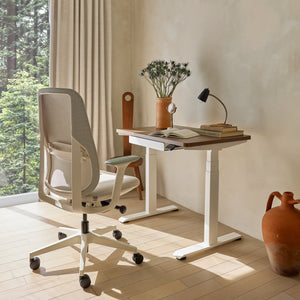
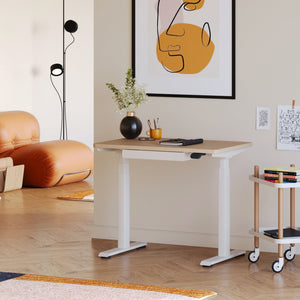
A well-designed Mini Standing Desk California setup can easily fit into smaller spaces while still providing the flexibility needed for modern work routines. Compact desks allow users to create dedicated work zones without sacrificing valuable room space.
Smaller workspaces offer several advantages:
Reduced visual clutter
Improved focus during tasks
Better use of limited space
Clear separation between work and personal areas
Even the smallest corner can become a highly functional office with the right furniture.
Today’s work routines often include long hours of typing, virtual meetings, and creative tasks. Furniture should adapt to these changing needs.
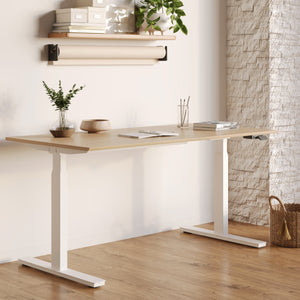
An adjustable standing desk allows users to alternate between sitting and standing throughout the day.
Benefits include:
Improved posture
Increased energy levels
Reduced pressure on the lower back
Changing positions throughout the workday helps maintain concentration and physical comfort. Furniture that supports movement helps users stay engaged during long tasks.
Flexible desks are one of the most valuable tools in modern home office design.
A cluttered workspace often leads to distractions and reduced focus. Proper desk layout ensures that everything needed for work remains easily accessible.
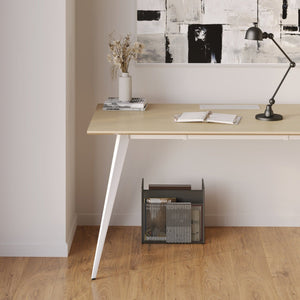
A well-sized office desk provides enough space for computers, notebooks, and accessories without overwhelming the room.
Helpful workspace strategies include:
Keeping frequently used tools within reach
Maintaining open desk space for active tasks
Organizing cables and accessories
Simple desk layouts help maintain a calm environment. When surfaces remain clean and organized, productivity improves naturally.
Furniture arrangement influences more than physical comfort. It also affects motivation and concentration.
Research on workspace productivity shows that well-designed environments encourage better focus and work habits. Clean layouts, comfortable furniture, and proper lighting can significantly influence daily performance.
Productive environments typically include:
Organized work surfaces
Comfortable seating
Proper screen placement
Minimal distractions
Furniture that supports these factors helps create spaces that encourage productivity.
When monitors sit directly on the desk surface, workers often lean forward to view the screen. This posture can lead to neck strain and fatigue.
Using a monitor arm allows screens to be raised to eye level while freeing valuable desk space.
Advantages include:
Reduced neck strain
Improved viewing angles
Cleaner desk layouts
Elevating screens creates additional space beneath the monitor for notebooks, keyboards, or accessories. This simple adjustment improves both organization and comfort.
A productive workspace must include comfortable seating. Many home offices rely on dining chairs or basic seating that lacks ergonomic support.
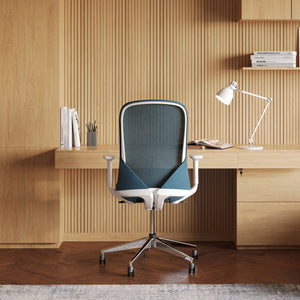
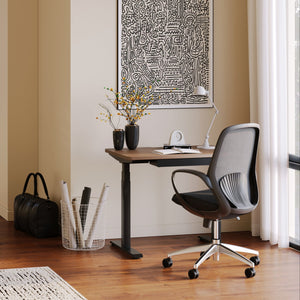
A supportive ergonomic office chair helps maintain proper posture during extended work sessions. Ergonomic chairs are designed to support the natural curve of the spine while reducing pressure on the lower back.
Comfortable seating provides several benefits:
Improved posture during long work sessions
Reduced physical fatigue
Greater concentration during demanding tasks
Proper seating is essential for sustainable productivity.
|
Workspace Challenge |
Furniture Solution |
Benefit |
|
Limited room space |
Compact desks |
Efficient layouts |
|
Long work sessions |
Ergonomic seating |
Comfortable posture |
|
Low monitor placement |
Adjustable monitor arm |
Improved screen visibility |
|
Static sitting |
Sit-stand desks |
Encourages movement |
|
Cluttered surfaces |
Organized desk layout |
Better focus |
Selecting the right furniture helps small spaces function like full-sized offices.
Even in shared living spaces, creating a clear work zone helps maintain productivity.
Helpful techniques include:
Placing desks near walls or windows
Using furniture placement to separate work areas
Keeping work tools within a defined space
These strategies prevent work materials from spreading into relaxation areas.
Avoid overcrowding the workspace with unnecessary furniture. Clean layouts improve both visual appeal and productivity.
A thoughtfully designed home office improves more than daily productivity. It also supports long-term comfort and healthier work habits.
Over time, well-designed workspaces provide:
Reduced physical strain
Greater work efficiency
Improved concentration
More organized daily routines
Furniture that supports these benefits helps remote workers maintain consistent performance.
Creating a productive home office does not require a dedicated room. Use this checklist to turn any space into an efficient workspace.
Choose a desk that fits the available space
Keep work surfaces organized and uncluttered
Position monitors at eye level
Use ergonomic seating for long work sessions
Maintain clear pathways around the workspace
Alternate between sitting and standing when possible
Keep frequently used tools within reach
Avoid overcrowding the workspace with furniture
Maintain good lighting around the desk
Reevaluate workspace layout as work habits evolve
Productive home offices are built through thoughtful design rather than large spaces. When furniture supports daily work habits, even the smallest areas can become efficient and comfortable work environments.


You have unlocked free shipping!
You're saving $29 and unlocked free shipping!
Leave a comment