



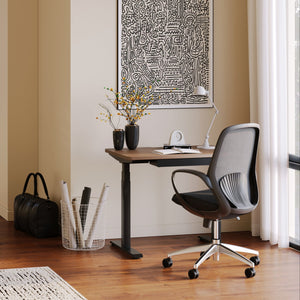
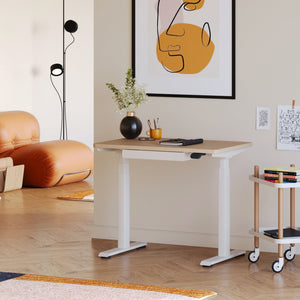
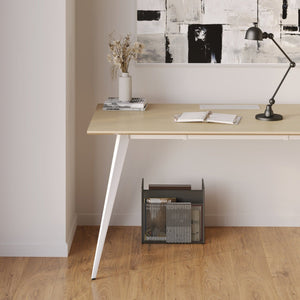
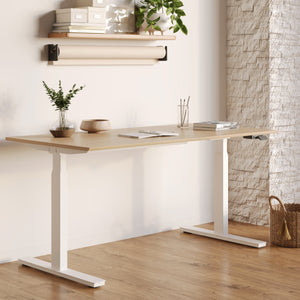
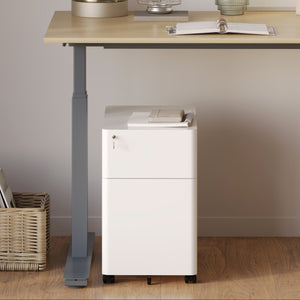






















Filing Cabinet Choices for Cleaner Workstation Planning
Cleaner workstation planning starts with filing storage that matches the desk, document volume, security needs, and daily workflow. Explore how cab...
Learn more
Visit quiz page to see how we makes it easy to create an inspiring workplace


Interior design often focuses on aesthetics. Beautiful layouts, stylish color palettes, and carefully arranged décor can make a space look impressive. However, a truly successful home design goes beyond appearance. It supports the way people actually live.
Every home has routines. Some people work remotely. Others need spaces for studying, creative projects, or quiet reading. A well-designed home acknowledges these daily habits and provides furniture that makes them easier to maintain.
When furniture aligns with your routines, the entire environment feels more natural. Tasks become easier, spaces stay organized longer, and daily life flows more smoothly. Designing around real habits helps create a home that feels functional as well as visually appealing.
Many homeowners begin designing a room by imagining how it should look rather than how it will be used. While style matters, practicality matters more in the long run.
For example, if a home includes remote work or regular computer use, incorporating a dedicated Office Table Los Angeles setup helps create a defined workspace. A clear workstation separates productivity from relaxation areas and makes daily routines easier to maintain.
When furniture reflects real routines, several benefits appear:
Less clutter and better organization
Improved comfort during daily activities
Easier transitions between tasks
A more balanced living environment
Design should support everyday life rather than interrupt it.
Homes designed without flexibility can feel restrictive. Sitting in one position for hours or using furniture that cannot adapt often reduces comfort.
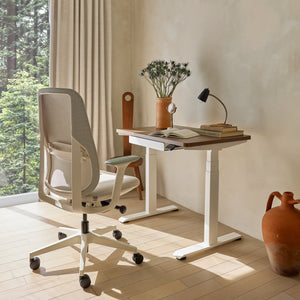
A versatile standing desk allows users to shift between sitting and standing while working. This flexibility encourages movement and helps prevent long periods of inactivity.
Advantages include:
Improved circulation
Reduced back pressure
Greater comfort during long tasks
When furniture supports movement, people naturally change positions during the day. This small change improves both physical comfort and mental focus.
Homes should support natural activity rather than restrict it.
Rooms should be arranged based on how people actually use them. A workspace requires different furniture placement than a relaxation area.
A well-designed office desk can anchor a workspace area while leaving the rest of the room available for other activities.
Helpful layout strategies include:
Defining work zones within multipurpose rooms
Keeping work tools within reach
Maintaining open movement pathways
Clutter disrupts both productivity and relaxation. Organized furniture placement helps maintain cleaner, more comfortable environments.
Functional organization improves daily routines.
Furniture plays a central role in shaping how a room functions. According to insights on the importance of furniture, furniture determines both the usability and atmosphere of interior spaces.
Furniture influences:
Movement patterns within a room
Comfort during daily activities
Visual balance and design flow
By selecting furniture that supports real activities, homeowners create environments that feel both beautiful and practical.
Many people now rely on computers for work, study, and communication. Improper screen placement can lead to neck strain and poor posture.
Using a monitor arm allows screens to be positioned at eye level while freeing desk space.
Benefits include:
Reduced neck strain
Better viewing angles
Cleaner desk layout
Elevating screens also creates more workspace. This additional space helps maintain an organized environment and supports daily tasks.
Small adjustments can greatly improve comfort.
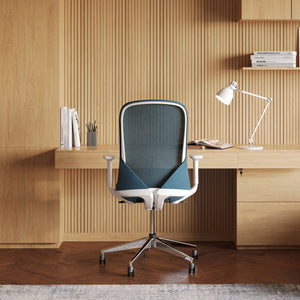
Comfortable seating plays a significant role in how a home feels and functions. A supportive ergonomic office chair helps maintain proper posture during long work sessions.
When seating supports the body properly:
Fatigue develops more slowly
Work becomes more comfortable
Productivity improves
Choosing supportive seating ensures that daily activities remain comfortable.
|
Lifestyle Need |
Furniture Solution |
Benefit |
|
Remote work |
Adjustable desk |
Flexible work positions |
|
Study or research |
Spacious desk surface |
Organized materials |
|
Computer use |
Monitor arm |
Proper screen alignment |
|
Long work sessions |
Ergonomic chair |
Comfortable posture |
|
Multi-purpose rooms |
Compact furniture |
Efficient use of space |
Selecting furniture based on lifestyle needs creates a more functional home.
Daily routines change over time. Furniture should be adaptable enough to accommodate new habits.
Helpful design practices include:
Choosing adjustable furniture
Keeping layouts simple
Avoiding overly complex arrangements
Rooms that support multiple activities allow homes to remain practical even as lifestyles change.
Flexible design increases long-term usability.
Designing a home around real routines creates long-lasting benefits.
Over time, homeowners notice:
Less clutter and better organization
Greater comfort during daily activities
Improved productivity for work or study
More efficient use of space
Practical design ensures that a home continues to support everyday life rather than creating obstacles.
Many homes are designed primarily around appearance. While aesthetics are important, furniture should also support everyday comfort and usability. A chair that looks beautiful but feels uncomfortable or a desk that lacks proper space can disrupt daily routines.
The most successful home designs combine visual appeal with functionality. When furniture is comfortable and practical, it becomes easier to maintain routines and enjoy the space.
Modern homes often require furniture that adapts to different needs. A workspace may also function as a reading corner or a study area.
Helpful strategies include:
Choosing adjustable desks that support different work positions
Selecting chairs that provide ergonomic support for long periods
Using furniture that maximizes space efficiency
The best furniture works quietly in the background. It supports posture, encourages organization, and adapts to everyday routines without requiring constant adjustments.
When furniture is chosen with real life in mind, the entire home becomes easier to use and maintain.
Before redesigning a room or choosing new furniture, consider how the space is actually used.
Use this checklist to create a more functional home environment:
Identify daily routines that require dedicated space
Choose furniture that supports those routines
Maintain organized work surfaces
Use ergonomic seating for long tasks
Position screens at eye level
Encourage movement during work
Keep walkways clear
Create flexible layouts for future needs
Avoid overcrowding rooms with unnecessary furniture
Focus on comfort as well as style
A home designed around real-life habits feels more comfortable, organized, and productive. When furniture supports daily activities rather than interrupting them, every space becomes easier to enjoy.
Design that reflects real living creates homes that work as beautifully as they look.


You have unlocked free shipping!
You're saving $29 and unlocked free shipping!
Leave a comment