



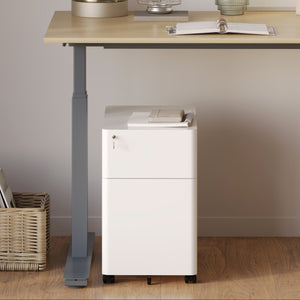






















Filing Cabinet Choices for Cleaner Workstation Planning
Cleaner workstation planning starts with filing storage that matches the desk, document volume, security needs, and daily workflow. Explore how cab...
Learn more
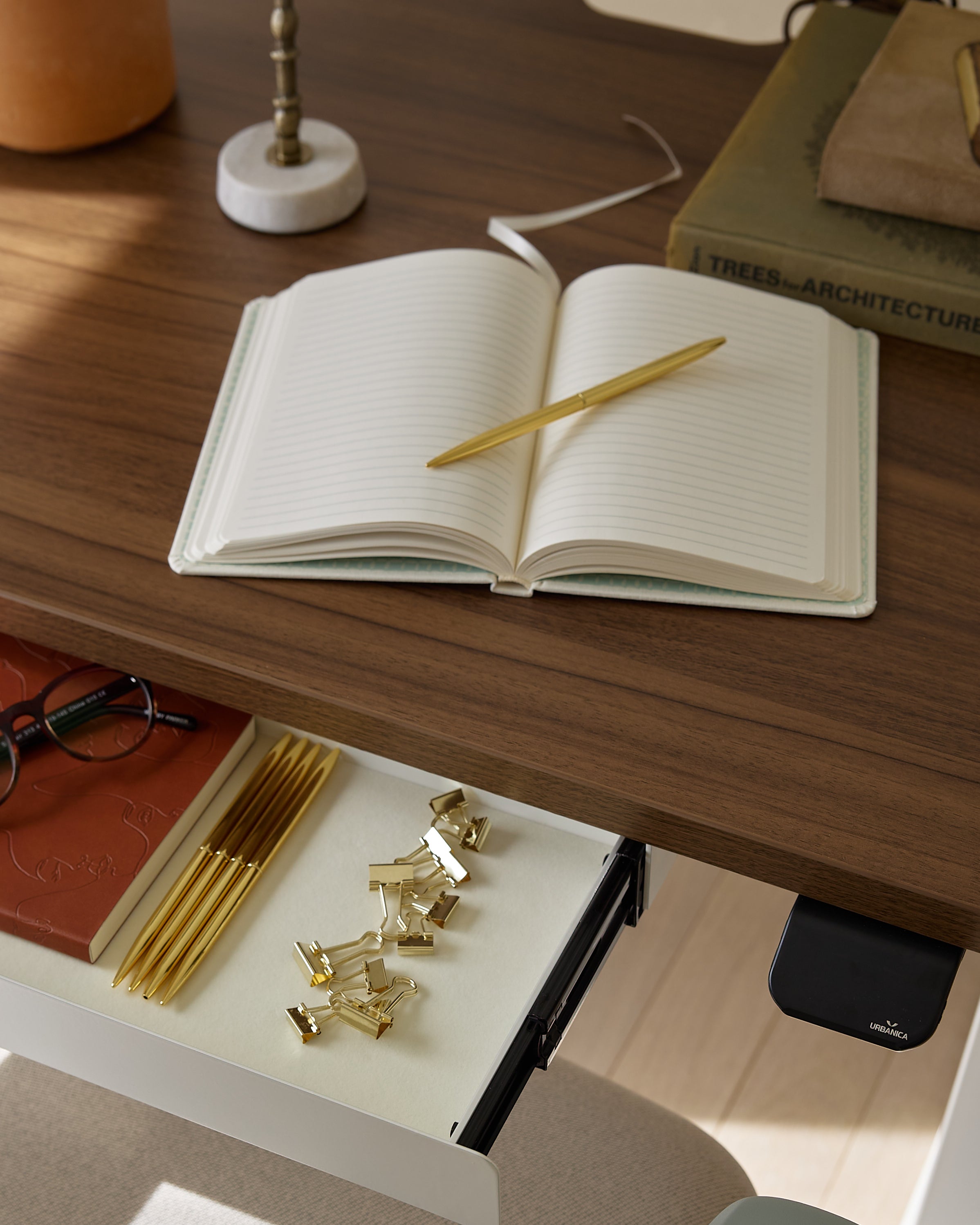
Visit quiz page to see how we makes it easy to create an inspiring workplace

Choosing furniture today is no longer just about style or comfort. Many people now want pieces that are kinder to the planet and safer for everyday living. Environment-friendly furniture supports healthier homes, reduces waste, and helps protect natural resources. The good news is that sustainable choices do not mean sacrificing design, durability, or function. This guide explains how to choose eco-friendly furniture in a clear and practical way, whether you are furnishing a home, an office, or a small workspace.
Eco-friendly furniture is often misunderstood. It is not just furniture made from wood or labeled as green. It is furniture designed with the full life cycle in mind, from how materials are sourced to how long the piece lasts and how it affects indoor air quality.
Environment-friendly furniture focuses on responsible materials, safe finishes, and long-term usability. It avoids harmful chemicals, reduces waste during production, and supports better health for users. Sustainable furniture also values durability. A piece that lasts many years reduces the need for frequent replacement, which lowers environmental impact over time.
When choosing furniture, thinking beyond appearance helps you invest in pieces that align with both your lifestyle and environmental values.
The materials used in furniture play a major role in how eco-friendly it is. Natural and responsibly sourced materials are generally better for the environment and indoor spaces.
Not all wood furniture is sustainable. The source and processing matter. Look for materials that are responsibly harvested or recycled. Metal furniture can also be eco-friendly when it is made from recycled content and designed for long-term use.
Eco-conscious furniture often uses materials chosen for both strength and environmental impact.
Key materials to look for include:
Responsibly sourced wood
Recycled or recyclable metal
Low-impact fabrics
Materials designed for long-term durability
Choosing the right materials reduces waste and supports healthier indoor environments.
Furniture finishes affect more than appearance. They can influence indoor air quality and overall health. Some finishes release chemicals into the air over time, especially in enclosed spaces.
Eco-friendly furniture often uses finishes that limit harmful emissions. This is especially important in workspaces where people spend many hours sitting and breathing the same air.
Choosing safer finishes supports both personal health and sustainability.
Consider furniture with:
Low-emission surface treatments
Minimal chemical odors
Finishes designed for long-term use
Research on responsible office furniture selection highlights how thoughtful choices can reduce health risks in daily environments. For deeper insight into this topic, reading about how to evaluate office furniture responsibly can help guide better decisions.

Eco-friendly furniture should not compromise function. In fact, sustainable design often improves usability. Well-designed furniture supports movement, comfort, and productivity while reducing environmental impact.
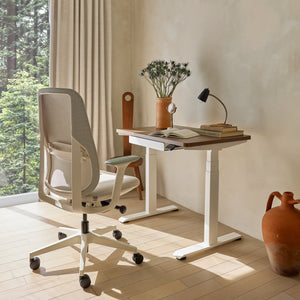
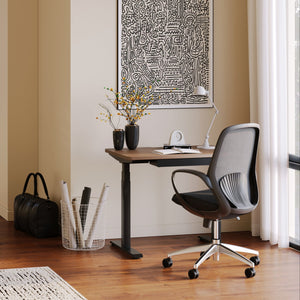
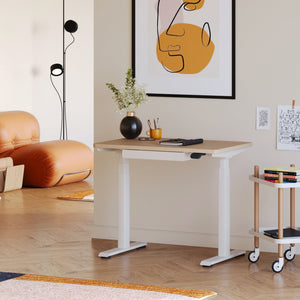
In workspaces, this balance is especially important. Adjustable and flexible furniture supports healthier habits and adapts to different needs. A thoughtfully designed option like a Mini Standing Desk Los Angeles can help reduce prolonged sitting while fitting into smaller spaces, making it both practical and environmentally mindful when chosen with care.
Sustainable work furniture supports daily routines without excess materials or unnecessary complexity.
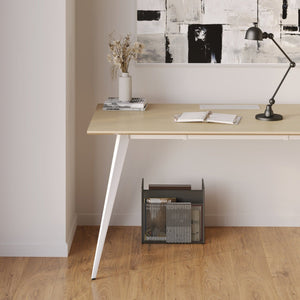
Desks are central to both home and office environments. Choosing the right desk can reduce waste, improve comfort, and support healthier habits over time.
Furniture that adapts to different tasks often lasts longer because it remains useful as needs change. Adjustable designs encourage movement and reduce the need for multiple pieces.
Eco-friendly desks often focus on simplicity and durability rather than excess features.
Helpful qualities include:
Strong, long-lasting construction
Designs that support both sitting and standing
Clean layouts that reduce material waste
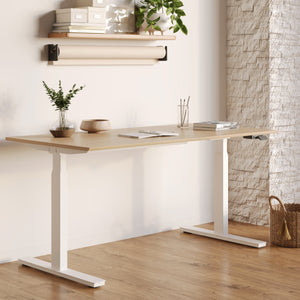
An height adjustable desk that supports healthy movement encourages posture changes throughout the day, while a durable work table offers stability and longevity for everyday tasks.
Ergonomic furniture is often discussed in terms of comfort, but it also plays a role in sustainability. Furniture that supports the body properly reduces strain and discomfort, making it more likely to be used for many years.
When furniture fits the user, it is less likely to be replaced due to discomfort or poor performance. This reduces waste and supports a more sustainable lifestyle. Ergonomics and eco-friendly design work best together when furniture is built to adapt rather than wear out quickly.
|
Factor |
Why It Matters |
What to Look For |
|
Materials |
Reduces environmental impact |
Responsible sourcing, recyclability |
|
Finishes |
Improves indoor air quality |
Low-emission treatments |
|
Durability |
Lowers long-term waste |
Solid construction |
|
Ergonomics |
Supports long-term use |
Adjustable, body-friendly design |
|
Function |
Prevents unnecessary replacement |
Flexible and practical features |
Eco-friendly furniture often shines in the details. Accessories and support features can improve comfort while keeping designs efficient and minimal.
Arm and seating support help reduce strain, especially during long work hours. Adjustable elements allow furniture to adapt to different users rather than being replaced.
Sustainable ergonomic features are designed to last and reduce physical stress.
Examples include:
Adjustable arm support for comfort
Seating designed to promote healthy posture
Components that can be fine-tuned instead of replaced
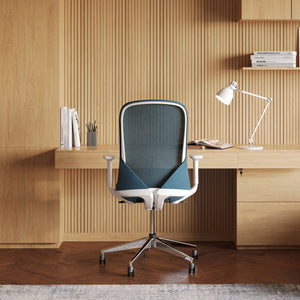
Choosing options that provide adjustable arm support for desk work helps extend the life of a workspace setup. Similarly, a good office chair that focuses on comfortable posture support for daily use encourages long-term comfort without unnecessary replacement.
Sustainable furniture choices do not need to feel overwhelming. Start by focusing on what you use most. Desks, chairs, and storage pieces that support daily routines are the best place to invest in quality and sustainability.
Ask simple questions before buying:
Will this piece last for years?
Does it support comfort and health?
Is it made with care and responsibility?
By prioritizing function, durability, and health, you naturally move toward more eco-friendly choices without needing expert knowledge.
Choosing environment-friendly furniture is about aligning your space with your values. It is not about perfection, but about making thoughtful decisions that benefit both people and the planet. Sustainable furniture supports healthier living, reduces waste, and creates spaces that remain useful over time.
Before finalizing your furniture choices, use this simple checklist to stay on track:
Choose materials that are responsibly sourced
Look for finishes that support healthier indoor air
Prioritize durability over trends
Select furniture that adapts to your needs
Invest in comfort to extend product life
When furniture is chosen with intention, it becomes more than a functional object. It becomes part of a lifestyle that values care, balance, and long-term well-being.


You have unlocked free shipping!
You're saving $29 and unlocked free shipping!
Leave a comment