

























How to Pair Executive Conference Tables With Better Chairs
Pairing executive conference tables with better chairs requires more than matching styles. This post explains how to balance table shape, cha...
Learn more
Visit quiz page to see how we makes it easy to create an inspiring workplace


Lighting is one of the most overlooked parts of a workspace, yet it quietly shapes how you feel every single day. If your desk feels gloomy, harsh, or visually tiring, your mood can dip without you realizing why. On the other hand, the right lighting can make your workspace feel calmer, more focused, and easier to be in for long hours. Whether you work from home or in an office, lighting isn’t just about visibility. It affects your energy, emotions, and how your brain responds to stress.
Most people treat lighting like a background detail. You turn on a lamp, open the blinds, and move on. But lighting has a direct impact on how your brain experiences a space. Bright, cold lighting can feel sharp and tense. Dim lighting can feel heavy and draining. Flickering or uneven lighting can make you feel irritated or restless, even if you can’t explain it.
This matters because your workspace is where you spend hours thinking, problem-solving, and making decisions. If your lighting makes your environment feel uncomfortable, your body stays on alert. That subtle tension can lead to fatigue, mood swings, and difficulty focusing.
A workspace that feels emotionally supportive usually has lighting that feels balanced. Not too harsh, not too dark, and not constantly forcing your eyes to adjust. Pairing good lighting with a stable surface like an Office Table California setup also helps because your space feels more intentional and grounded, which makes it easier to settle into work.
Your emotional health is closely tied to your environment. Lighting is one of the fastest ways a space can feel safe and calm, or uncomfortable and draining.
Overhead lighting that is too bright or too cold can make your workspace feel like a waiting room. It can create a subtle feeling of pressure, which makes it harder to relax and focus.
your eyes feel tired quickly
you get headaches after screen time
your space feels sterile or uncomfortable
you feel restless or irritated while working
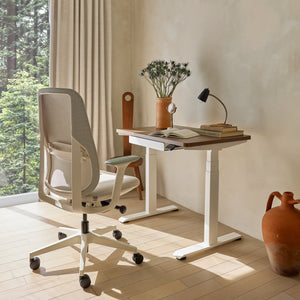
use a desk lamp instead of relying only on overhead lights
aim light toward the wall for a softer glow
avoid placing bright bulbs directly in your line of sight
keep lighting balanced on both sides of your desk
A workspace that feels too dark can make your brain slow down. You may feel sleepy, unmotivated, or mentally foggy, even when you have work to do.
you feel tired earlier than usual
you squint at your screen or paperwork
you avoid your desk because it feels gloomy
you struggle to stay alert in the afternoon
add one warm lamp near your desk
keep the desk surface uncluttered so it reflects light better
use lighter desk accessories to avoid a heavy look
open blinds during the brightest part of the day
Lighting can make the same workspace feel calming or stressful without changing anything else. That’s why it’s often the missing piece in an office that feels “off.”
This is also why design choices like layout, color, and lighting all work together. This guide on how interior design affects mood and productivity explains how a space can influence your emotions and focus, which makes lighting a key part of emotional well-being at work.
choose lighting that feels soft but clear
avoid extreme brightness or extreme darkness
keep your desk visually calm
use lighting to create a work zone feeling
A good lighting setup doesn’t have to be complicated. You don’t need fancy equipment. You need a few intentional choices that make your workspace feel easier to be in.
Natural light supports energy and mood. Even a small amount can make a workspace feel more open and less heavy.
place your desk near a window, but not directly facing it
angle your screen so light hits from the side
use light curtains to soften brightness
keep the window area uncluttered
clean the glass for brighter daylight
avoid working with direct sunlight on your screen
reposition your desk slightly if glare is constant
Task lighting is a desk lamp that supports work. It helps reduce eye strain and keeps your workspace feeling clear.
soft brightness, not harsh glare
positioned to light your work surface evenly
not shining directly into your eyes
place your lamp on the opposite side of your writing hand
aim light downward, not outward
keep the bulb covered or shaded
avoid sharp shadows on your desk
Ambient lighting is what makes the room feel calm. It’s the difference between a workspace that feels cozy and one that feels clinical.
a floor lamp in the corner
a warm light near the wall
soft lighting behind your monitor
keep ambient light warm and gentle
avoid bright overhead lights at night
use one calm light source instead of many scattered ones
The fastest way to make a workspace feel emotionally better is to add lighting that feels warm, steady, and comforting. Overhead lighting often feels harsh because it lights the whole room evenly, which can feel flat and stressful.
A desk lamp gives you a softer glow that feels more personal. It makes the space feel less clinical and more human. That matters because your nervous system responds to atmosphere. Warm lighting can help your brain feel more settled, especially during long work sessions or late-night tasks.
A desk lamp also helps you create a work boundary. Turning it on signals “work mode,” and turning it off signals “rest mode.” That simple habit can reduce anxiety because your day feels more structured.
Lighting doesn’t work alone. Your desk surface, screen position, and overall setup can either help lighting feel comfortable or make it feel frustrating.
If your monitor is too low or your desk is crowded, lighting can create more shadows and more strain. A clean office desk setup helps because it gives you enough space to position your lamp, screen, and tools without everything feeling cramped.
Clutter blocks light and creates shadows, which can make your space feel heavier than it is.
keep the center of your desk open
store papers out of sight
avoid stacking items under your screen
keep only daily essentials within reach
use one tray for small items
keep cables tucked behind the desk
avoid dark clutter piles near your lamp
wipe your desk surface regularly so it reflects light cleanly
If your desk is too small, your lamp placement becomes limited. Your lighting may end up too close to your screen or too harsh on your hands.
A desk that feels open makes you feel less pressured. When your tools fit comfortably and your lamp has a proper place, your workspace feels calmer without extra effort.
Many people blame their mood or fatigue on work itself, but it’s often a mix of screen strain and bad lighting. When your eyes are working too hard, your nervous system gets tired faster.
If your screen is too low, you lean forward. That increases neck tension and makes your body feel stressed.
A flexible monitor arm helps position your screen properly while freeing up desk space for better lighting placement.
your shoulders relax
your neck feels less tense
your desk feels cleaner
your eyes feel less strained
keep your screen at eye level
avoid bright light directly behind the monitor
use soft lighting behind or beside the screen
keep your desk surface clear to reduce shadows
Glare forces your eyes to work harder. That can lead to frustration, headaches, and mental fatigue.
desk facing a bright window
lamp aimed at the screen instead of the desk
overhead light reflecting on the monitor
angle your monitor slightly away from windows
aim lamps toward your desk surface
adjust blinds during peak daylight hours
keep brightness balanced, not extreme
Emotional health at work is not only about mindset. It’s about how your body feels while you work. If your chair is uncomfortable, you hold tension. If your posture is strained, your breathing becomes shallow. That can make anxiety and irritability feel stronger.
A supportive office chair helps your workspace feel emotionally easier because it reduces physical stress. When your body feels supported, your brain has more space to stay calm and focused.
Comfort and lighting work together. Soft lighting helps your mind relax. Supportive seating helps your body relax. That combination makes work feel less heavy.
Use this table to identify what your lighting is doing to your mood and how to fix it quickly.
|
Lighting Issue |
How It Feels Emotionally |
Common Cause |
Simple Fix |
|
Too harsh |
tense, irritated |
cold overhead bulbs |
add warm task lamp |
|
Too dim |
sleepy, unmotivated |
weak lighting |
add brighter desk lamp |
|
Uneven light |
distracted, restless |
one-sided lighting |
balance with second source |
|
Screen glare |
frustrated, tired |
window or lamp reflection |
reposition monitor/lamp |
|
Shadowy desk |
overwhelmed, cramped |
clutter blocks light |
clear desk center |
The best lighting setup still needs small habits to stay effective. Mood-supporting workspaces are not perfect, they are consistent.
Your brain responds differently to light depending on the time of day. Bright daylight can support energy. Softer lighting at night can help you feel calm.
daytime: brighter and clearer lighting
evening: softer and warmer lighting
late night: avoid harsh overhead lights
open blinds in the morning
dim overhead lighting in the evening
use a lamp for calmer night work
keep lighting consistent during deep focus sessions
Lighting can signal work mode and off mode. This is especially helpful for remote work.
turn on your desk lamp when you start work
turn it off when you finish
use softer room lighting after work
avoid working in the dark
avoid bright overhead lighting late at night
create a clear start and stop to your day
keep your workspace visually calm
Your workspace lighting can either support your emotional health or quietly drain it. The good news is that the fix is usually simple. You don’t need a complete makeover. You need a few intentional changes that make your space feel softer, clearer, and more comfortable.
use layered lighting (natural + task + ambient)
avoid harsh overhead lighting when possible
add a warm desk lamp for emotional comfort
brighten dim spaces with a task light
reduce screen glare by adjusting lamp placement
keep your desk surface clear so light spreads evenly
position your screen at a comfortable height
use warm lighting in the evening for calm
turn your work light off to signal the end of the day
A better lighting setup doesn’t just help you see. It helps you feel better while you work, and that matters more than most people realize.


You have unlocked free shipping!
You're saving $29 and unlocked free shipping!
Leave a comment