
Skip to content
For Teams
We sell direct. You save big. Premium Ergonomic Office Furniture| Free Shipping on Orders $65+
FAQ
need to know

Useful articles

Round Meeting Table Ideas That Make Team Talks Smoother

Round Meeting Table Ideas That Make Team Talks Smoother

Round meeting table by Urbanica with wood finish top, black base, and modern chairs in a warm minimal room

The best team conversations rarely happen by accident. They come from a room that feels easy to enter, comfortable to sit in, and natural to speak in. A round meeting table supports that kind of interaction because it removes the visual hierarchy of a head seat and places everyone within the same shared conversation zone.

For growing teams, creative studios, client-facing offices, and flexible work environments, round meeting table ideas should go beyond choosing a nice-looking surface. The right setup affects how people listen, how quickly ideas move, how comfortably laptops and notebooks fit, and whether quieter voices feel invited into the discussion. Shape, scale, seating, lighting, acoustics, and technology all work together.

A round table can make a small meeting room feel more open, turn an unused corner into a practical huddle space, or soften a formal conference area into something more collaborative. When planned with care, it helps team talks become less stiff, less scattered, and more focused on the people in the room.

Why Round Meeting Tables Create More Balanced Team Conversations

A round table changes the tone of a meeting before anyone opens a notebook. With no obvious front, back, or power seat, the layout feels less like a presentation and more like a conversation. That matters for teams that rely on honest feedback, quick decisions, and shared ownership.

In a rectangular room, attention often moves toward the person at the end of the table or the screen at the front wall. A round setup distributes attention more evenly. People can make eye contact without leaning forward or turning across a long surface. This small spatial difference can make a discussion feel more open, especially during brainstorming, project reviews, interviews, and internal check-ins.

The No-Head-of-Table Effect

The absence of a head seat is one of the strongest advantages of a round meeting table. It does not erase leadership, but it does reduce the visual signals that make one person seem more central than everyone else. That can encourage team members to contribute earlier rather than waiting for a manager or senior person to control the flow.

For recurring team talks, this setup helps build better meeting habits. People are more likely to respond to each other rather than only addressing the person leading the meeting. This supports smoother discussion, especially when the goal is to solve a problem, review options, or align on next steps.

Better Sightlines for Listening and Turn-Taking

Smooth meetings depend on more than speaking. People need to notice when someone wants to add a point, disagree politely, or ask for clarification. A round layout improves sightlines, which makes these cues easier to read.

A properly scaled 48-inch round meeting table can work well for close-range conversations where everyone needs to see one another clearly. The circular footprint keeps the group visually connected without forcing people to look past a long row of chairs.

When Round Tables Work Better Than Rectangular Tables

Round tables are especially useful when the meeting depends on participation rather than presentation. They suit:

  • Brainstorming sessions where ideas need to move quickly

  • Design reviews where feedback should feel conversational

  • Hiring conversations where candidates should feel less boxed in

  • Manager check-ins that benefit from a more approachable layout

  • Small client meetings where trust and clarity matter

Rectangular tables still have their place, particularly for large groups facing one display, formal boardroom settings, or training-style presentations. But when the goal is smoother team talks, a round table often creates a more natural starting point.

Choosing the Right Round Table Size for Natural Meeting Flow

A round meeting table should match the way the team actually works. Too small, and the surface becomes crowded with laptops, drinks, notebooks, and elbows. Too large, and the table creates distance that weakens the conversational advantage of the round shape.

The best size depends on the number of people, the room dimensions, and the type of work happening at the table. A quick coffee conversation needs a different footprint than a four-person planning session with laptops and printed materials.

Small Round Tables for Quick Check-Ins

Small round tables are useful in office corners, private rooms, reception-adjacent areas, and informal huddle zones. They create a clear place for short conversations without requiring a full conference room.

A compact bistro table for small conversations fits naturally in these lighter meeting moments. It can support quick decision-making, one-on-one discussions, informal interviews, or a short reset between longer work blocks.

Small tables are best when the meeting is brief and low-clutter. They are not ideal for groups using multiple laptops, large samples, or printed plans. Their strength is simplicity.

Mid-Sized Round Tables for Focused Team Collaboration

A mid-sized round meeting table often works best for three to four people. This size gives enough room for notebooks, laptops, and drinks while keeping everyone close enough for natural conversation. It is a strong choice for weekly planning, internal reviews, sales conversations, and project check-ins.

The key is balance. Each person should have enough personal space without making the center of the table feel unreachable. When the group can pass a document, point to a shared note, or glance at a screen without awkward movement, the table is doing its job.

Larger Team Setups for Work That Goes Beyond Talking

As round tables get larger, they can seat more people, but they may also reduce the intimacy that makes the shape effective. A five-person or six-person round setup can still support discussion, but it needs generous room clearance and careful chair selection.

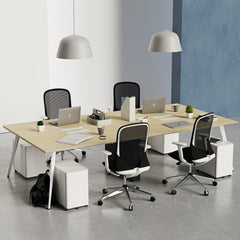
When the team needs to talk and complete individual tasks at the same time, a different furniture format may be more practical. A six-person workstation for team-based work is better suited to situations where people need dedicated work surfaces while staying connected as a group.

Round Table Size Comparison for Better Meeting Behavior

Setup Type Best Seating Range Best Use Case Planning Consideration
Small café-style round table 2 to 3 people Quick talks, check-ins, informal interviews Limited surface space
Mid-sized round meeting table 3 to 4 people Planning, reviews, team huddles Needs proper chair clearance
Larger round meeting table 5 to 6 people Group discussion, collaborative sessions Can reduce easy reach
Team workstation layout Around 6 people Conversation plus focused work Less circular conversation flow


The table should support the meeting behavior you want. A smaller table can make quick talks feel more direct. A mid-sized table can create the best balance between comfort and shared attention. A larger setup should be chosen only when the room and meeting style truly support it.

Round Meeting Table Layout Ideas for Different Office Zones

A round meeting table does not have to live only in a formal conference room. Its shape makes it versatile enough for open offices, private rooms, lounge-adjacent zones, creative studios, and client-facing spaces.

The layout should answer one practical question: what kind of conversation should happen here? A table meant for quiet reviews needs different placement than one used for fast team huddles.

Open Office Meeting Zones That Protect Focus

In open offices, round tables can create useful collaboration points, but placement matters. A table set too close to focused desk areas can interrupt people who are not part of the conversation. A table placed near shared resources, circulation paths, or project walls can feel helpful rather than disruptive.

Visual boundaries can make a round meeting area feel more intentional. Modular office panels for defined work areas can support clearer zones in open layouts, especially when teams need a sense of separation without building permanent rooms.

The goal is not to hide collaboration. It is to keep conversation from spilling into every part of the workspace.

Private Meeting Rooms Designed for Equal Participation

A round table in a private meeting room should usually sit near the center, but not so centered that the room feels stiff or inefficient. Chairs need room to pull back. People need clear access to the door. Whiteboards, displays, or pin-up areas should be visible without forcing anyone to twist away from the group for the entire meeting.

Lighting also matters. Harsh overhead light can make even a beautiful table feel uncomfortable. A balanced mix of natural light, soft overhead lighting, and limited glare creates a better setting for long discussions.

Lounge-Adjacent Tables for Casual Collaboration

Round tables near lounges or soft seating areas can support informal collaboration without turning the space into a full conference room. These setups work well for creative reviews, quick feedback, sample discussions, and relaxed client conversations.

The table should still be practical. A surface that is too decorative or too small may look appealing but fail during real work. The best lounge-adjacent round table feels approachable while still giving people a proper place to set notes, devices, or materials.

Reception and Client-Welcome Areas That Encourage Conversation

A round table can make a waiting or welcome area feel more personal. Instead of placing visitors across a desk or in a row of chairs, a small round setup creates a more balanced interaction. This can be useful for short consultations, discovery conversations, or informal introductions before a longer meeting.

For client-facing offices, this choice sends a subtle message: conversation matters here. The furniture should feel intentional, clear, and easy to use.

Chair Choices That Keep Round Table Meetings Comfortable

A round table can only improve team talks if the seating supports the same goal. Chair height, width, mobility, and comfort all affect how people participate. If chairs are too low, people may hunch. If they are too bulky, the table can feel crowded. If they are difficult to move, the room becomes harder to use.

Matching Chair Height to Table Height

Good meeting posture starts with basic alignment. People should be able to sit with feet grounded, shoulders relaxed, and forearms positioned comfortably near the tabletop. A chair that sits too high or too low can make note-taking awkward and distract people from the conversation.

For round tables, chair scale is especially important because every seat is visually exposed. Bulky chairs can make the circle feel cramped, while chairs that are too minimal may not support longer discussions.

Stationary, Swivel, and Caster Chairs

Stationary chairs create a clean, composed look and work well in client rooms or smaller meeting spaces. Swivel chairs make it easier to turn toward a screen, whiteboard, or speaker without dragging the chair across the floor. Caster chairs can support flexible work areas, but they need enough room to move safely and comfortably.

The best choice depends on the meeting style. A room used for presentations may benefit from swivel movement. A compact huddle area may need lighter stationary seating. A flexible team zone may work better with mobile chairs if the floor plan allows it.

Professional Seating That Supports Focus

The right chair should feel appropriate for the room without making the meeting feel overly formal. Modern conference chair seating fits naturally in meeting rooms, collaborative spaces, and professional office settings where comfort and a polished look both matter.

Chair selection should never be an afterthought. If the table invites conversation but the chairs make people restless, the meeting will still feel strained.

Tech-Friendly Round Meeting Table Ideas for Hybrid Conversations

Hybrid meetings add another layer to round table planning. The setup must include people in the room and people joining remotely. A round table can support this well, but only if screens, cameras, microphones, and laptops are placed with care.

The goal is simple: technology should help the conversation, not dominate it.

Laptop Placement That Keeps Faces Visible

Laptops are useful for agendas, notes, shared documents, and remote calls. They can also create barriers. When every laptop screen is raised between people, the round table starts to lose its advantage.

A laptop stand for cleaner meeting notes can help organize a device setup when someone needs to reference notes or work from a screen. The key is to keep the tabletop clean and preserve eye contact whenever possible.

For many meetings, one shared note-taker or a shared display is better than every person hiding behind a separate screen.

Camera and Display Placement for Round Tables

In a rectangular room, cameras and displays are often placed at one end. Around a round table, that can create awkward angles. Some people may face the camera directly while others turn sideways or have their backs partially toward remote participants.

A better setup places the display where most people can face it naturally. For small rooms, a wall-mounted screen paired with a well-positioned camera can work. For more active discussions, a central microphone can help remote participants hear the group more evenly.

A Simple Hybrid Meeting Rule

Every person should be able to see the speaker, see shared content, and be heard without leaning across the table. If one of those three conditions fails, the room needs adjustment.

Cable Control That Keeps the Table Clear

Cable clutter can make a meeting feel messy before it begins. Round tables have a clean visual shape, so loose cords can stand out quickly. Floor outlets, nearby charging points, cable routing, and simple device habits can help preserve a clearer surface.

Not every round table needs built-in technology. In some rooms, a clean table with nearby power access works better than a complicated setup. The right choice depends on how often the room supports hybrid calls, laptops, and shared screens.

Materials, Finishes, and Bases That Shape the Meeting Experience

Round meeting table ideas should include the surface and base, not just the size. Materials and finishes influence how the room feels, how easy the table is to use, and how much visual noise the meeting space creates.

Matte and Low-Glare Surfaces for Screen-Heavy Rooms

A glossy tabletop can reflect overhead lighting, windows, and laptop screens. That glare may seem minor, but it can become distracting during longer meetings. Matte or low-glare surfaces often feel calmer in rooms where people use devices or review visual work.

This is especially important in creative offices, planning rooms, and hybrid spaces where screens are part of the routine.

Warm Finishes for More Approachable Conversations

Warm wood tones can make a meeting area feel less rigid. They work well in offices that want a welcoming, hospitality-inspired atmosphere. A warmer finish can soften the tone of client conversations, team check-ins, and creative critiques.

This does not mean every office needs a traditional look. Warm finishes can still feel modern when paired with clean chairs, simple lighting, and uncluttered surroundings.

Clean Minimal Finishes for Visual Clarity

Light, clean finishes can help compact rooms feel more open. They are useful in modern offices where the meeting table should support the room without visually overpowering it. A simple round surface can make the space feel organized and calm.

For teams that review documents, samples, or creative materials, a quieter tabletop finish may help the work stand out.

Pedestal Bases and Legged Bases

The table base affects comfort more than many teams expect. A pedestal base can give people more freedom to place their legs around the table, which is useful when seating positions change often. A legged base may provide a more architectural look, but the legs need to align well with chair placement.

For round tables, every seat should feel equally usable. If one or two chairs are always fighting the base, the layout is not supporting smooth conversation.

Round Meeting Table Ideas for Compact and Flexible Offices

Many offices need furniture that can support several types of work in the same footprint. A round meeting table can help because it creates a clear collaboration point without demanding a large formal room.

This is especially useful in compact offices, creative studios, design-forward workspaces, and hybrid teams that need adaptable spaces for different conversations throughout the day.

Small Office Layouts That Still Feel Collaborative

A small office does not need to feel cramped or under-equipped. A round table can turn an unused corner, window area, or transition zone into a practical meeting point. Because the shape has no hard front, it can feel less imposing than a rectangular table in a tight room.

The most important planning detail is clearance. A compact round table still needs enough space for chairs, movement, and natural entry into the conversation zone.

Creative Studios That Need Fast Visual Feedback

Creative teams often need to review work quickly, compare options, and build on each other’s ideas. A round table supports that rhythm because people can face each other while discussing visuals, samples, sketches, or campaign details.

For these environments, the table should not be overloaded. Keep the center open enough for shared materials. Place pin-up surfaces or screens nearby. Choose chairs that allow people to shift between the table and the wall without breaking the flow.

Flexible City Workspaces With Multiple Meeting Needs

A single office zone may need to support a hiring conversation in the morning, a project review at midday, and a client discussion later in the afternoon. That requires furniture that feels adaptable rather than overly specialized.

For teams shaping compact, modern, or mixed-use office environments, workspace furniture made for flexible city offices connects naturally to this need for practical, polished, and space-aware workplace planning.

The best round meeting table setup should feel ready for real work, not just staged for photos.

Common Round Meeting Table Mistakes That Make Team Talks Harder

A round table can improve collaboration, but only when the setup is planned around real behavior. The wrong size, poor placement, or uncomfortable seating can create friction that weakens the benefits of the circular layout.

Choosing a Table That Does Not Match the Room

A table that is too large can make people feel far apart, even if they are technically seated in a circle. A table that is too small can make the meeting feel crowded and disorganized.

Measure the full meeting zone, not just the tabletop. Include chairs, pullback space, walking paths, doors, cabinets, and access to screens or boards.

Forgetting Chair Pullback Space

Chair clearance is one of the most common issues in meeting rooms. A table may fit on paper, but the room may feel tight once people sit down. Around a round table, this can be even more noticeable because chairs need space on all sides.

A comfortable setup lets people sit, stand, and move behind chairs without disrupting the entire meeting.

Placing the Table Too Close to Focus Areas

Open office meeting zones need thoughtful separation. If a round table sits beside desks where people do deep work, even normal conversation can feel disruptive. Distance, panels, soft materials, and layout choices can help the table serve the team without affecting nearby focus.

Letting Screens Take Over the Conversation

Technology is useful, but a meeting table should not become a wall of laptops. When screens dominate, people stop reading the room. Ideas become less conversational, and participation can narrow.

Use devices intentionally. Keep shared agendas visible. Decide when laptops are needed and when the conversation would be better with fewer screens open.

Overdecorating the Center of the Table

A round table often invites a centerpiece, but tall plants, oversized trays, or decorative objects can block sightlines. The center should stay low, simple, and functional.

A clean tabletop helps people focus on each other, which is the whole reason a round meeting setup works.

A Practical Setup Checklist for Smoother Round Table Meetings

A strong round meeting space begins with practical planning. Before choosing or rearranging a table, test the room as if a real conversation is happening there.

Measure the Conversation Zone

Use this checklist to evaluate the setup:

1. Measure the table diameter.

2. Add space for chair depth and pullback.

3. Confirm walking clearance around the most active sides.

4. Check nearby doors, storage, and whiteboards.

5. Sit in every chair and test the sightlines.

6. Confirm laptop, notebook, and drink space.

7. Check whether people can speak at a normal volume.

8. Decide whether the area supports quick talks, hybrid calls, or working sessions.

9. Keep the tabletop clear enough for shared focus.

10. Make sure the room still feels easy to enter and leave.

Match the Setup to the Meeting Type

Different conversations need different details. A brainstorming table should have open sightlines and easy access to writing surfaces. An interview setup should feel balanced rather than intimidating. A client meeting table should look clean and professional. A hybrid call setup should prioritize camera angles and sound.

The round table is the foundation, but the surrounding choices determine whether the meeting feels smooth.

Test the Room Before Finalizing the Layout

The easiest way to evaluate a round meeting table is to use it before treating the layout as final. Sit in each chair. Face the display. Turn toward the whiteboard. Pull out a laptop. Set down a notebook and a drink. Notice whether anyone feels squeezed, blocked, or too far from the discussion.

Good meeting spaces feel natural from every seat. If one position feels weaker, the layout needs adjustment.

Better Team Conversations Begin With Human-Centered Round Table Choices

A round meeting table works best when it is chosen for people, not just for the room. The shape encourages equal participation, but the full setup determines how smoothly conversations actually happen. The right diameter keeps voices close. The right chairs support focus. The right layout protects movement and sightlines. The right technology plan keeps hybrid conversations clear without turning the table into a device station.

For teams that want discussions to feel more balanced, collaborative, and productive, round meeting table ideas should start with the human experience. A good table does not force better communication on its own. It creates the conditions for people to listen, respond, share, question, and decide with less friction. When the furniture supports those behaviors, team talks become easier to begin and easier to finish well.

Previous article Why Shared Teams Work Better Around a Round Meeting Table
Next article How a Round Meeting Table Changes Shared Work Discussions

Leave a comment

* Required fields

Get 10% off your first order

Find the office furniture that’s designed to match your style, comfort, and needs perfectly. Subscribe

My Office

You have unlocked free shipping!

You're saving $29 and unlocked free shipping!


Your cart is empty.
Start Shopping

Contact Us