















Make Shared Table Seating Work With a Conference Chair Now

Shared table seating succeeds when the room feels easy to enter, comfortable to use, and organized once every seat is filled. The table may be the visual center, but the chair determines how people actually experience the space. A chair that is too wide limits capacity. A chair that is too deep pushes people away from the work surface. A chair that feels casual in the wrong setting can make a meeting room feel less prepared, while a chair that is too visually heavy can make a small shared space feel crowded before anyone sits down.
The most reliable shared seating layouts begin with proportion. The chair has to fit the table, the user, and the movement patterns around the room. That is especially true in conference rooms, hybrid work areas, training spaces, creative studios, coworking environments, and compact offices where one shared surface may support planning sessions, laptop work, quick reviews, and client conversations throughout the day.
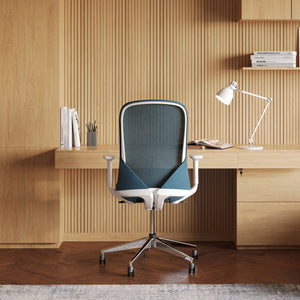
A shared table becomes more functional when it is paired with conference seating for meeting rooms that supports focused discussions without overwhelming the room. The goal is not to fill every possible inch with seating. The goal is to create a shared table setup people can use comfortably, repeatedly, and without rearranging the room every time the purpose changes.
Shared Table Seating Depends on Chair Proportion Before Table Capacity
A common mistake in shared seating design is starting with the question, “How many chairs can fit?” A better starting point is, “How many people can sit, move, work, and communicate comfortably?” The difference matters because table capacity on paper often fails in real life. Chairs need space to slide back, users need room for shoulders and elbows, and the table surface needs to remain usable after laptops, notebooks, cups, and devices appear.
Shared table seating works best when the conference chair supports the table’s intended use. A four-person table used for interviews has different needs than a six-person project table used for laptop-heavy collaboration. A small touchdown area in a reception corner does not need the same chair scale as a formal meeting room. The chair has to match the room’s rhythm.
Seat Width Controls Comfort and Real Seating Capacity
Seat width has a direct effect on how many people can sit around a shared table without feeling squeezed. A chair can look appropriate in isolation but become inefficient when repeated around a table. If each chair takes up too much perimeter space, people will sit too close together, angle themselves awkwardly, or avoid using the full seating arrangement.
A practical shared table layout gives each person enough side-to-side room to sit naturally. This is especially important during meetings where people write notes, use laptops, review printed materials, or shift between listening and speaking. When chairs are too wide for the table edge, the seating arrangement starts to compete with the purpose of the room.
Seat Depth Shapes How Close People Can Work
Seat depth affects posture and table access. If the seat is too deep for the way the table is used, people may sit too far from the work surface or perch forward instead of using the back support. That becomes uncomfortable during longer meetings and distracting during focused work.
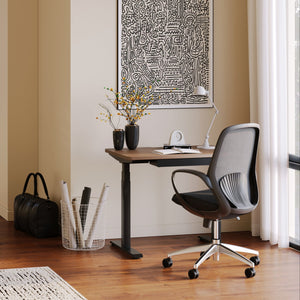
Conference chairs used at shared tables should encourage an upright, engaged position. People should be able to pull close enough to write, type, view shared materials, or participate in a discussion without leaning forward constantly. Shared seating should feel supportive without feeling rigid.
Chair Back Height Influences Visual Openness
Back height matters because shared tables are often placed in rooms where sightlines shape the experience. A high or bulky chair back can make a compact meeting room feel tighter. A lighter visual profile can help the room feel more open while still offering support.
This balance is especially important in collaborative settings. People need to see each other clearly across the table. The chair should support the person sitting in it without dominating the shared surface or interrupting the room’s visual flow.
Matching Conference Chairs to Shared Table Shapes
The shape of the shared table determines how people face each other, how chairs are spaced, and how movement happens around the room. A conference chair should not be chosen separately from the table shape. Round, compact, rectangular, and workstation-style surfaces each create different seating behavior.
A well-matched table and chair combination makes the room feel intentional. The seating looks aligned from the doorway, feels balanced when occupied, and supports the type of interaction the room is meant to encourage.
Round Tables Support Equal Conversation
Round tables work well when every person needs a similar position in the conversation. There is no clear head of the table, which can make group discussions feel more balanced. This makes round shared tables useful for team check-ins, creative reviews, planning sessions, and conversations where visibility and participation matter.
For rooms where everyone needs equal sightlines, a 48-inch round meeting table gives the chair layout a clear center without creating a dominant seat. The conference chairs around it should have consistent scale so the arrangement feels balanced from every side.
Round shared seating is especially useful when teams need to move quickly from conversation to decision. The layout keeps attention centered, reduces awkward angles, and helps everyone remain visually connected.
Compact Tables Create Useful Touchdown Seating
Not every shared seating area needs a full meeting table. Smaller office zones often benefit from compact shared surfaces designed for quick conversations. These areas can support informal check-ins, coffee chats, short laptop sessions, reception-side conversations, or brief internal reviews.
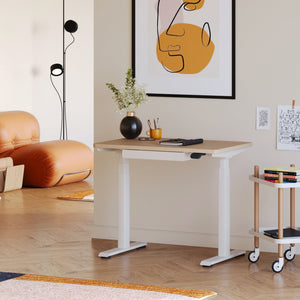
A compact bistro table for small office seating works best when paired with chairs that do not overpower the table footprint. The smaller surface should feel light and usable, not crowded by seating that belongs in a larger conference room.
Compact shared seating is valuable because it gives people a place to connect without occupying a formal meeting room. It also helps distribute collaboration throughout the office instead of forcing every conversation into the same central space.
Rectangular Shared Tables Need Stronger Spacing Discipline
Rectangular shared tables can support more people, but they require careful planning. Chairs on long sides need consistent spacing. End chairs should not block movement. The room needs enough clearance behind seated users so people can pass without bumping into chairs or interrupting the meeting.
The larger the table, the more important the chair profile becomes. A slim, supportive conference chair can help preserve circulation and visual order. A bulky chair can make the same table feel crowded, even if the room technically has enough square footage.
Conference Chair Comfort Keeps Shared Tables Useful for Longer Sessions
Shared table seating should not only work for a few minutes. Many office conversations stretch into planning, problem-solving, reviewing, presenting, and decision-making. A chair that feels acceptable during a short huddle may become distracting during a longer working session.
Comfort is not about making a meeting room feel like a lounge. It is about reducing the physical distractions that pull attention away from the conversation. When people keep shifting, leaning, standing early, or avoiding a shared table altogether, the seating may be working against the room.
Support Helps People Stay Engaged
A conference chair should support an upright seated posture. That matters because shared tables often require people to look across the table, turn toward a screen, write notes, or use a laptop. Without enough support, users may compensate by leaning on the table or sitting in positions that become uncomfortable.
Supportive seating also communicates that the room is meant for focused work. The table feels more prepared. The space feels more intentional. People are more likely to use it for meaningful conversations instead of treating it as a temporary surface.
Arm Design Affects Access to the Table
Chair arms can add comfort, but they need to work with the table height and edge clearance. If arms collide with the table or prevent chairs from pulling in, they reduce the usefulness of the shared layout. If arms are too wide, they may create shoulder crowding between users.
For shared table seating, arm design should be considered alongside chair width, seat depth, and the room’s circulation needs. The best arrangement lets users sit naturally, move in and out smoothly, and stay close enough to the table for the task at hand.
Movement Is Part of the Seating Experience
Shared seating involves more movement than private desk seating. People arrive at different times, step out for calls, change seats, gather around a screen, or shift toward printed materials. A good conference chair supports that movement without making the room feel chaotic.
Chairs should be easy to align after use. They should tuck in cleanly or sit neatly around the table. When the room is empty, the layout should still look ready for the next group.
Shared Work Surfaces Need Room for Devices, Notes, and Conversation
A shared table rarely holds only hands and coffee cups. It often carries laptops, notebooks, phones, chargers, presentation materials, samples, folders, and drinks. When the surface becomes crowded, seating comfort declines. People cannot pull in properly. Laptops block faces. Cords cross pathways. The table stops supporting collaboration and starts creating friction.
Shared table seating works better when the surface is treated as limited real estate. Every accessory, device, and seating choice should preserve the table’s purpose.
Laptop Use Changes the Shared Seating Layout
Laptop-heavy meetings require more table depth than simple conversation. People need enough room to open screens, type comfortably, and still see the other people at the table. If the chairs sit too close together, laptop use can quickly make the seating arrangement feel cramped.
A slim laptop stand can help lift a device without demanding a large footprint on the shared surface. Used thoughtfully, laptop accessories can improve posture and visibility while keeping the table more organized.
The key is restraint. Accessories should solve a real usability issue, not add unnecessary objects to an already crowded surface.
Table Clutter Can Interrupt Collaboration
Clutter changes how people interact. When the center of the table is full, people lose space for shared documents or materials. When devices sit too high or too close together, faces become partially hidden. When chargers stretch across the floor, movement becomes less comfortable.
Shared seating should leave room for both personal tools and group activity. The table needs zones for individual use and a clear central area for shared focus.
Shared Surface Priorities for Better Seating
1. Keep the center of the table available for group materials.
2. Place laptops so screens do not block direct conversation.
3. Avoid accessories that consume too much surface area.
4. Keep cords away from walkways and chair paths.
5. Match chair spacing to the way people actually use devices.
Shared Table Seating Layouts for Different Office Needs
A shared table is not a single design category. The best chair layout depends on whether the space supports focused meetings, quick conversations, team planning, hybrid collaboration, or daily work. Clear intent leads to better furniture choices.
The conference chair should help the room perform its main job. When the job changes often, the chair should be versatile enough to support different seating patterns without making the space feel inconsistent.
Four-Person Shared Tables for Focused Conversations
A four-person shared table works well for interviews, client discussions, manager check-ins, design reviews, and small planning sessions. The seating should feel balanced and direct. Each person should have enough room to sit comfortably without feeling separated from the group.
For this setup, chair size matters more than quantity. Four properly spaced chairs are more useful than five chairs squeezed around the same surface. The room should allow people to enter, sit, stand, and exit without moving other chairs out of the way.
Six-Person Shared Tables for Team Planning
A six-person shared table can support more active collaboration. Teams may spread out laptops, notes, printed materials, and presentation tools. Chair spacing should allow people to work without bumping elbows or crowding the table edge.
This layout benefits from clear circulation around the table. At least one side should remain easy to access. If the room has a screen, whiteboard, or storage wall, chairs should not block the path to those tools.
Eight-Person Shared Tables for Higher Traffic Rooms
Eight-person shared tables require the most discipline. The room can feel crowded quickly if the chairs are too large or if the table leaves limited space behind seated users. Even if eight chairs physically fit, the room may not feel comfortable when every seat is occupied.
Higher-capacity shared seating should be tested through movement, not just measurements. People need to pull chairs back, pass behind others, access screens or boards, and leave without disrupting the entire room.
When Shared Seating Should Become a Workstation
Not every shared surface should be treated like a meeting table. When people use the same shared surface daily for focused work, equipment, task flow, and team coordination, a workstation may be more appropriate than a meeting table.
The difference comes down to purpose. A meeting table supports conversation and collaboration. A workstation supports repeated daily work. Both can be shared, but they solve different problems.
Daily Team Seating Needs a More Defined Structure
When a team sits together every day, the surface needs to support personal work zones, technology habits, and repeated use. People may need consistent positions, monitor space, power access, and clearer boundaries between work areas.
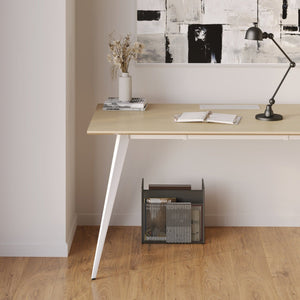
When the goal is daily team seating rather than occasional meetings, a six-person workstation desk gives the layout a more permanent structure. This kind of shared setup is better suited to teams that need a consistent place to work together rather than a table that changes purpose throughout the day.
Meeting Tables and Workstations Serve Different Shared Seating Goals
| Shared Seating Need | Better Fit | Why It Works |
|---|---|---|
| Client conversation | Conference chairs with a meeting table | Supports face-to-face discussion and a professional room setup |
| Quick two-person check-in | Compact round table with appropriately scaled chairs | Keeps the interaction informal and space-efficient |
| Daily team work | Workstation desk | Gives each person a more defined work area |
| Laptop-heavy collaboration | Shared meeting table with thoughtful accessories | Helps organize devices without changing the room’s purpose |
| Open office teamwork | Shared surface with partial boundaries | Supports collaboration while reducing exposure |
The most effective office layouts avoid forcing one table type to handle every task. A meeting table, bistro table, and workstation can all support shared seating, but each one needs the right chair strategy.
The Room Around the Table Determines Whether the Chair Can Perform
A good conference chair cannot solve a poorly planned room by itself. The layout around the table controls how people enter, move, sit, and interact. Wall clearance, door swings, traffic paths, screen placement, storage access, and nearby work areas all affect the shared seating experience.
The chair and table should be evaluated within the full room, not as separate products. A chair that fits the table may still fail if there is not enough space behind it. A table that looks balanced may still feel awkward if users have to squeeze past seated people.
Walkways and Chair Clearance Protect Daily Usability
Shared table seating needs room behind each chair. People should be able to pull back without hitting a wall, cabinet, or another seated person. Others should be able to pass behind occupied chairs when necessary.
This is especially important in rooms with frequent turnover. Training rooms, team meeting spaces, and hybrid offices often see people coming and going during the day. A layout that only works when everyone stays seated is too fragile for real office use.
Creative Workspaces Need Flexibility Without Looking Temporary
Studios, agencies, coworking areas, and hybrid teams often need shared seating that can handle different activities throughout the week. A table may support a client presentation one day, a design review the next, and an internal planning session after that.
For teams designing studios, coworking zones, or hybrid workspaces, workspace furniture built for creative offices helps connect seating choices to the broader workplace setting. Shared table seating should feel flexible, but not improvised. The room still needs visual consistency, comfortable proportions, and a clear reason for every piece.
Furniture Should Follow Work Habits
The strongest shared seating layouts reflect how people actually use the office. A team that relies on laptops needs more surface discipline than a team that mostly talks through ideas. A client-facing room needs a more polished seating presentation than an internal huddle area. A training space needs easier movement than a rarely used boardroom.
Choosing the conference chair after understanding these habits leads to a better result. The chair becomes part of the workflow rather than just a finish selection.
Boundaries Help Shared Table Seating Feel More Comfortable in Open Areas
Open offices make shared seating more visible, but visibility can become a problem when people feel exposed. A shared table placed near a walkway, workstation row, or busy entry point may be convenient, but it can also feel distracting. People may hesitate to use it for focused conversations if there is no sense of boundary.
Boundaries do not have to fully enclose a room. Partial definition can make a shared seating area feel more intentional while keeping the office open and connected.
Open Shared Tables Need Visual Definition
A shared table floating in an open area can feel unfinished. People may be unsure whether it is meant for meetings, casual breaks, temporary laptop work, or overflow seating. The right surrounding elements help clarify the purpose.
Chair alignment, table placement, nearby storage, lighting, and partial dividers can all signal that the seating area is planned. The more open the office, the more important these signals become.
Panels Can Support Focus Without Closing the Space
In open layouts, modular panels that define open work areas can help create boundaries while keeping the shared environment visually connected. This is especially useful near collaborative tables, workstation areas, and zones where noise or movement can interrupt focus.
Panels should be used strategically. Their role is to clarify space, reduce distraction, and support comfort. They should not make the shared table feel boxed in or disconnected from the rest of the office.
Useful Panel Placement Around Shared Seating
-
Behind a shared table placed near a main walkway
-
Between a touchdown table and a row of desks
-
Along the edge of a collaborative zone in an open office
-
Near workstation areas where conversations need softer boundaries
Common Shared Seating Mistakes That Make Conference Chairs Feel Wrong
Many shared table problems are blamed on the chair when the real issue is the combination of chair, table, and room. A conference chair may be comfortable and well-made, but still wrong for a specific shared seating arrangement if the proportions or layout do not support daily use.
Avoiding these mistakes helps the chair perform as intended.
Choosing Chairs Before Measuring the Table Edge
Chair selection should not happen before the table perimeter is understood. The table edge determines how many chairs can sit naturally around the surface. Arms, seat width, back angle, and base shape all affect how the chair fits.
A chair that looks appropriate online or in a showroom may feel too large once repeated around a shared table. Measurement protects the layout from becoming crowded.
Treating Every Shared Table Like a Conference Table
A bistro table, meeting table, training table, and workstation are not interchangeable. Each one supports a different type of shared seating. Using the same chair logic for every surface can make some areas feel too formal and others feel underprepared.
A compact table needs seating that respects its smaller scale. A larger meeting table needs chairs that support longer sessions. A workstation needs structure for daily use. The chair should respond to the surface’s purpose.
Ignoring the Space Behind Seated People
The area behind the chair is part of the seating plan. Without enough clearance, people cannot move comfortably. Chairs hit walls. Walkways feel blocked. The room becomes harder to use when occupied.
This mistake is especially visible in smaller offices, where every inch carries more responsibility. A shared table should still feel functional when every chair is in use.
Mixing Too Many Seating Styles Around One Surface
Shared tables benefit from visual consistency. Too many chair styles around one surface can make the room feel temporary or mismatched. This matters in client-facing areas, but it also affects internal spaces. A cohesive seating arrangement signals that the table has a clear purpose.
Consistency does not mean every shared area in the office must look identical. It means each table should have a deliberate seating language that fits its role.
A Practical Framework for Making Shared Table Seating Work Now
The fastest way to improve shared table seating is to evaluate the room as a complete system. Chair, table, surface use, movement, and surrounding boundaries all need to work together. A strong conference chair choice becomes even stronger when it is supported by the right layout.
Start with the number of people who use the table most often, not the highest possible headcount. A room planned for normal daily use will feel better than one planned only for occasional overflow. When extra seating is needed, it should not compromise the comfort of the people who use the room every day.
Next, match the chair to the longest likely sitting session. A quick huddle area can use a lighter seating approach. A planning room or conference room needs more supportive seating because people may stay seated longer, use devices, and shift between discussion and focused work.
Then test the layout through movement. Can someone sit down without moving another chair? Can a person pass behind a seated user? Can laptops open without blocking faces across the table? Can people reach the screen, board, or storage without disrupting the group?
Finally, use accessories, workstations, and panels only where they solve real problems. A laptop stand can help organize a device-heavy table. A workstation can support daily team seating better than a meeting table. Panels can define open shared seating without fully closing it off. Every choice should make the shared table easier to use.
Better Shared Table Seating Starts With the Chair, Then Extends to the Whole Room
A shared table becomes successful when people can sit comfortably, move naturally, see each other clearly, and use the surface without friction. The conference chair is the first practical lever because it affects capacity, posture, movement, visual balance, and the overall feel of the room.
The strongest shared seating setups do not chase the maximum number of chairs. They support the right number of people in the right way. A compact table can become a useful touchdown zone. A round meeting table can encourage equal conversation. A workstation can give a team a more permanent shared structure. Panels and accessories can refine the experience when the surrounding office needs more clarity.
Shared table seating works when the chair fits the table, the table fits the task, and the room supports the people using it. That combination creates office spaces that feel ready, comfortable, and purposeful every time someone pulls out a chair.
Leave a comment