















Skip to content
For Teams
Summer Sale Ends Soon : Save Up to 20% + Free Shipping on Orders $65+ | Use Code SUMMER
FAQ
need to know

Useful articles

How to Style a Table Lamp with Storage, Seating, and Accent Furniture in a Home Office

How to Style a Table Lamp with Storage, Seating, and Accent Furniture in a Home Office

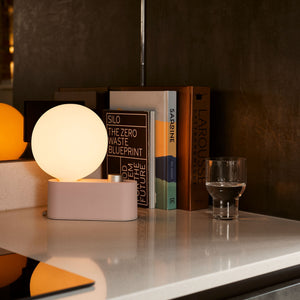
Alumina Lamp in Blossom finish used as a desk light, placed beside books and a glass of water on a modern countertop.

A well-styled home office starts with the pieces that shape how the room actually works: the desk, chair, storage, lighting, and the smaller accent furniture that keeps the space feeling complete. A table lamp may seem like a finishing touch, but in a home office, it often becomes the visual bridge between function and atmosphere. It affects how the desk feels during focused work, how storage areas look when they are lit, how seating zones feel after screen-heavy hours, and how polished the room appears during video calls.

The best table lamp styling does not begin with a lampshade or bulb. It begins with the relationship between the lamp and the furniture around it. A lamp on a desk needs enough room to breathe. A lamp on a cabinet needs to respect drawer access. A lamp beside a reading chair needs the right height and glow. A lamp placed near power access needs cords that feel controlled rather than improvised.

For a home office that feels calm, useful, and designed with intention, lighting should support the furniture plan instead of sitting apart from it. A lamp such as a recycled glass table lamp can introduce texture and softness while still serving the practical purpose of adding warmth to a work zone, cabinet surface, or accent table.

Define the Table Lamp’s Purpose Before Styling the Furniture Around It

A table lamp should have a clear job in the home office. Without that purpose, it becomes easy to choose a lamp only because it looks attractive in isolation. Once the lamp is placed near a laptop, office chair, storage cabinet, and everyday work tools, its role becomes much more specific.

Task Lighting Supports Focused Desk Work

Task lighting helps with reading, writing, sketching, reviewing paperwork, and working beside a laptop or monitor. In this role, the table lamp should sit close enough to illuminate the work area without blocking the screen or crowding the keyboard. The lamp should support the primary work zone, not compete with it.

For right-handed users who write or take notes often, placing the lamp slightly to the left can reduce hand shadows. For left-handed users, the opposite arrangement usually works better. For laptop-heavy work, the lamp should sit to the side of the screen rather than directly behind it, where glare and reflection can become distracting.

Ambient Lighting Makes the Office Feel Less Harsh

Ambient lighting softens the overall mood of the room. A home office with only overhead lighting can feel flat, especially in the evening. A table lamp on a credenza, filing cabinet, bookshelf, or side table brings the light source closer to eye level, which helps the room feel more layered.

This matters when the office doubles as a reading space, creative studio, guest room, or quiet planning area. A softer lamp glow can make the space feel less transactional and more comfortable, while still supporting professional focus.

Accent Lighting Gives Furniture More Visual Presence

Accent lighting is about mood, depth, and composition. A lamp placed on a storage cabinet can make that practical piece feel more like part of the room design. A lamp on a side table beside a guest chair can turn an unused corner into a purposeful seating zone.

Accent lighting should not be too cluttered. The lamp needs nearby objects that support it visually, such as a tray, book stack, small plant, or ceramic piece, but the surface should not become overloaded.

Match Lamp Scale to the Desk, Chair, Storage, and Room Size

Scale is one of the most important decisions in table lamp styling. A lamp that is too small can disappear beside a large desk and tall shelving. A lamp that is too large can make a compact work surface feel crowded before the workday even begins.

Lamp Height Should Respect Sightlines and Seated Comfort

In a home office, a lamp should not block eye contact across the desk, cover part of a monitor, or interrupt the visual line between the chair and the room. The height should feel balanced with the desk surface, chair back, cabinet top, and nearby wall space.

A taller lamp can work well on a wider desk or low credenza because it adds vertical presence. A smaller lamp may be better for a compact desk where every inch of work surface matters. The key is to view the lamp as part of the full furniture arrangement, not as a standalone accessory.

The Lamp Base Should Leave Enough Work Surface Open

A table lamp with a wide base may look substantial, but it can quickly limit the usable area on a small desk. Before choosing placement, consider the active work zone: laptop, keyboard, mouse, notebook, phone, and any papers that need to stay within reach.

A practical rule is to keep the lamp in a defined lighting zone rather than in the center of the desk. This preserves the main work zone and keeps the lamp from feeling like an obstacle.

Material Contrast Creates a More Designed Look

A lamp can either blend into the furniture or create contrast. Both approaches can work, but contrast often makes a home office feel more layered. A glass lamp can soften a wood or matte desk. A metal lamp can add structure near upholstered seating. A simple neutral lamp can calm a room with colorful accessories.

The best material pairing depends on what the office already has. If the desk and storage are visually heavy, a lighter lamp can balance the space. If the furniture is minimal, a sculptural lamp can create a clear focal point.

Build a Desk Surface That Balances Light, Laptop Height, and Daily Tools

The desk is usually the main home office surface, so the table lamp needs to share space with technology, writing tools, power access, and everyday objects. Styling works best when the desk is divided into zones.

Use Vertical Layers to Keep the Desktop from Feeling Flat

A laptop sitting directly on the desk, a lamp sitting at the same level, and a row of small accessories can make the surface feel visually flat. Raising one element creates hierarchy. A laptop stand for desk height can help lift the screen area, leaving the lamp to occupy its own visual layer instead of competing with the laptop.

This kind of height variation is both practical and aesthetic. It can improve the way the work area feels while giving the table lamp enough visual space to look intentional.

Create Three Desk Zones Around the Lamp

A clean desk layout can be organized into three simple zones:

1. Primary work zone: laptop, monitor, keyboard, notebook, or planner

2. Lighting zone: table lamp, power access, small tray, or coaster

3. Utility zone: pen cup, paper inbox, small organizer, or reference material

This structure keeps the lamp from drifting randomly across the surface. It also prevents the desk from becoming a collection of unrelated objects.

Keep Screen Glare Under Control

A lamp should never make screen work harder. If the bulb reflects on the monitor or laptop screen, shift the lamp to the side, lower the brightness, or use a shade that diffuses the light. The goal is to illuminate the work surface without creating a bright spot on the screen.

For dual monitors, place the lamp outside the direct viewing angle. For paper-heavy work, keep the lamp closer to the document area. For video calls, avoid positioning a bright exposed bulb behind the head or directly in frame.

Make Power Access Part of the Desk Plan

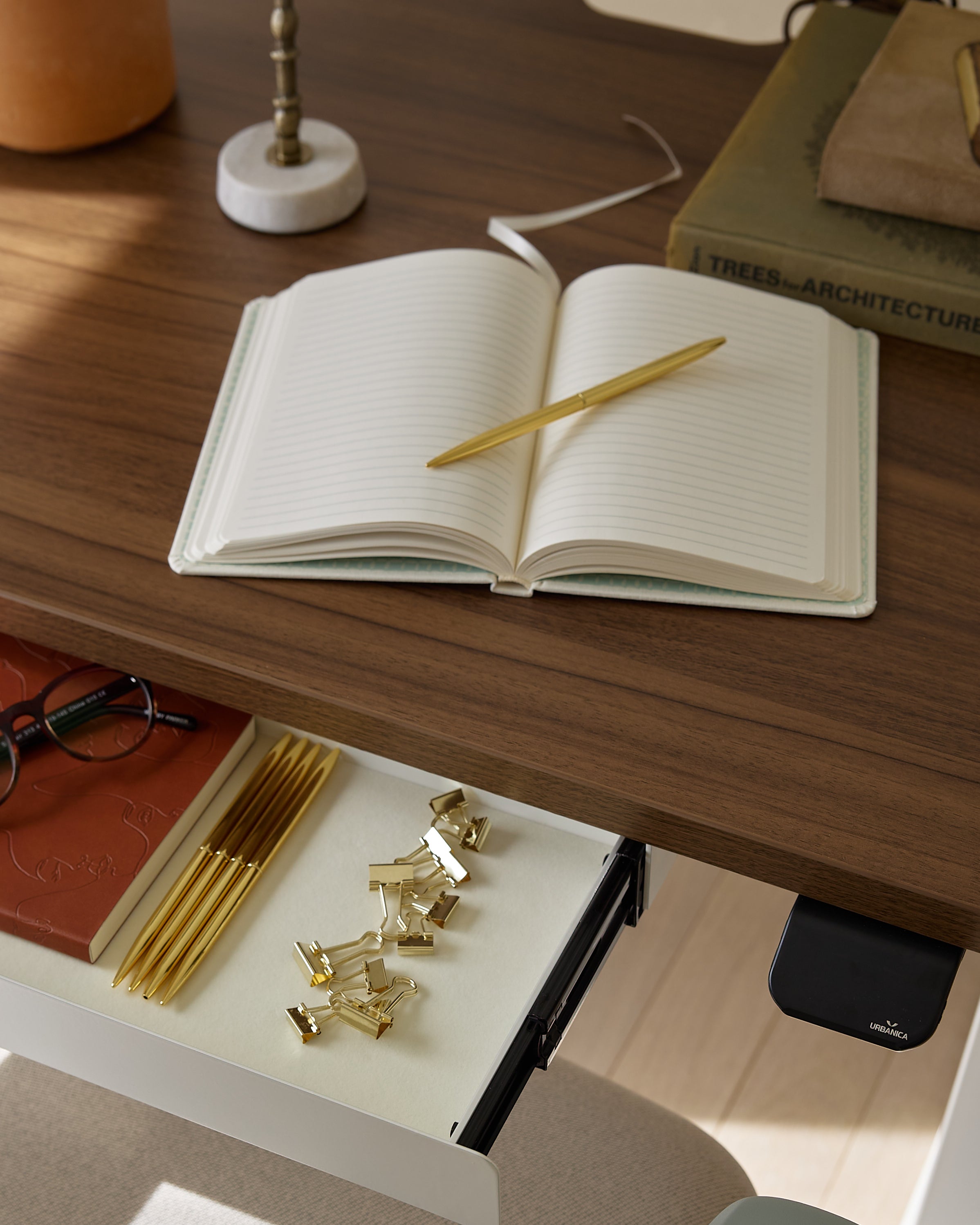
Lamps, laptops, phones, and accessories often need power in the same area. When charging solutions are not planned, cords can quickly interrupt the styled look of a home office. An in-desk power outlet can help keep power access integrated with the work surface, which is especially useful when the lamp, laptop, and daily devices all need nearby outlets.

Power placement should feel quiet and practical. The cleaner the cord path, the more polished the lamp styling appears.

Pair Table Lamps with Storage Furniture That Reduces Visual Clutter

A lamp draws attention to whatever sits around it. If the nearby surface is covered with loose papers, mail, cords, and supplies, the lamp will highlight the clutter rather than improve the room. Storage furniture helps the lamp do its job by keeping the visible area calmer.

Closed Storage Makes the Lamp Area Feel More Intentional

Closed storage is especially helpful in a home office because so many work items are not decorative. Printer paper, folders, notebooks, chargers, and extra supplies may be necessary, but they do not all need to remain visible.

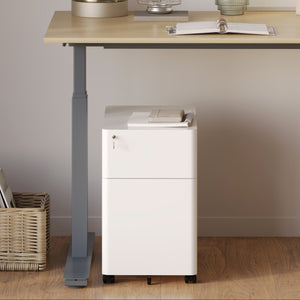
A locking filing cabinet can support a cleaner desk area by giving documents and office essentials a nearby place to live. When the desktop is less crowded, the table lamp has more room to become a design feature instead of another object fighting for space.

Cabinet-Top Styling Can Turn Storage into Accent Furniture

A filing cabinet, low cabinet, or credenza does not have to look purely utilitarian. With the right lamp placement, it can become a secondary styling surface. The key is restraint. A lamp, one grounding object, and one organic detail are often enough.

For example, place a lamp on one side of the cabinet, add a shallow tray or book stack beside it, and finish with a small plant or ceramic object. Leave open space so the cabinet still feels functional and accessible.

Lamp Placement Should Not Block Storage Access

A lamp on or near storage should never make drawers harder to use. Before finalizing placement, test whether drawers can open fully, locks remain accessible, and cords do not cross the area where the chair rolls or where the cabinet moves.

Furniture Piece Best Lamp Role Styling Advantage Placement Caution
Desk Task and ambient light Supports daily work while adding warmth Avoid blocking screens or writing space
Filing cabinet Accent glow Makes storage feel integrated with the room Keep drawers, locks, and wheels clear
Credenza Background depth Adds softness behind the main desk Avoid glare during video calls
Side table Reading light Supports a chair or secondary seating zone Match lamp height to seat height
Bookshelf Small accent light Adds depth to shelving Avoid unstable or crowded placement


Style Seating Around the Lamp for Comfort Beyond the Desk

A home office should support more than sitting at a desk. Many people need a place to read, think, take calls, review documents, or step away from the screen. Seating and lighting work together to create that flexibility.

A Side Chair Becomes More Useful with a Nearby Lamp

A chair without lighting may look good, but it often becomes decorative rather than functional. Add a small table lamp nearby, and the chair becomes a real destination for reading, planning, or quiet review.

This setup works especially well in home offices where the desk faces a wall or monitor most of the day. A secondary seating zone gives the room another rhythm. It helps the office feel less like a workstation and more like a complete interior.

Chair Movement Should Shape Lamp Placement

Before placing a lamp beside a desk chair or guest chair, consider how people move. A desk chair needs space to slide back, swivel, and roll. A guest chair needs a clear approach. A side table should sit close enough for the lamp to be useful, but not so close that it blocks knees, chair arms, or pathways.

Cord management matters here. A lamp cord should never run through the chair path. The safest and cleanest route usually follows the furniture line, down the back of a table or cabinet, and toward the nearest outlet.

Match the Lamp Glow to the Seating Purpose

A reading corner benefits from a warm, comfortable glow that reaches the page without shining into the eyes. A guest seating area may need softer ambient light that makes the room welcoming. A review chair near a worktable may need stronger directional light.

The purpose of the seat should guide the lamp, not the other way around.

Use Accent Furniture to Make the Lamp Feel Integrated

Accent furniture gives the table lamp context. Without it, a lamp can look like it was placed wherever there was an empty surface. With the right supporting pieces, the lamp becomes part of a complete design moment.

Ground the Lamp with One or Two Supporting Objects

A table lamp often looks best when it has a visual anchor. That does not mean surrounding it with accessories. It means choosing a small number of pieces that make the surface feel composed.

A reliable formula is:

1. Choose a lamp that fits the surface and lighting purpose.

2. Add one grounding object, such as a tray, book stack, or low box.

3. Include one natural or textured detail, such as a plant, ceramic vessel, or woven object.

4. Leave visible open space around the lamp.

5. Repeat one color, shape, or material elsewhere in the office.

This keeps the lamp styling clean and functional rather than overly staged.

Repeat Shapes and Finishes Without Overmatching

A lamp can connect to the rest of the office through subtle repetition. A rounded lamp base may echo the curve of a chair arm. A slim lamp silhouette may relate to narrow desk legs. A metal detail on the lamp may connect with cabinet pulls or chair hardware.

The goal is not to make every piece match. Too much matching can feel flat. A more natural approach is to repeat one or two design cues while allowing the lamp, chair, storage, and accent table to have their own presence.

Let a Sculptural Lamp Carry a Minimal Office

In a pared-back office with a clean desk, simple chair, and closed storage, the lamp can become the main accent. A multi-use LED lamp can work well in a setting where the lighting piece needs to have visual presence without requiring a crowded arrangement of accessories.

When the lamp itself has a clear form, keep the surrounding surface quiet. A single book, small tray, or plant is enough to support the design without taking attention away from the lighting.

Manage Cords and Charging Without Disrupting the Styled Look

Cords are part of every working home office, but they do not need to dominate the room. A beautiful table lamp can lose its impact if the cord drapes across the desktop, crosses the chair path, or tangles with laptop chargers.

Cord Paths Should Follow Furniture Lines

The cleanest cord routes are usually the least visible. Run lamp cords along the back edge of the desk, down the rear side of a cabinet, or behind the leg of an accent table. Keep cords away from drawer fronts, rolling chair paths, and areas where feet naturally rest.

Cable clips, simple ties, and thoughtful outlet placement can make a major difference without making the office feel complicated.

Flexible Power Helps When the Desk Is Not Against a Wall

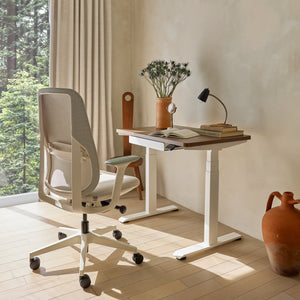
Some of the most attractive home office layouts place the desk away from the wall or near a window. These arrangements can look open and inviting, but they also make power access more visible. A clamp-on desk power source can support setups where a lamp, laptop, and daily devices need accessible power near the work surface.

The goal is to keep charging practical while protecting the calm visual quality of the lamp area.

Avoid Turning the Lamp Zone into a Charging Station

A lamp zone can quickly become cluttered if phones, earbuds, tablets, and chargers all collect in the same spot. Separate active charging from styled display whenever possible. Keep the lamp area simple, and use a tray or drawer for devices that do not need to remain visible.

Style the Lamp for Video Calls, Evening Work, and Room Depth

A home office is often seen from more than one angle. It may need to look composed from the doorway, from the desk chair, and through a webcam. Table lamps can support all of those views when placed carefully.

Background Lamps Add Depth Without Overpowering the Camera

A lamp behind or beside the desk can add warmth to a video-call background. It gives the room dimension and helps prevent the background from looking flat. The lamp should not point directly at the camera, and the bulb should not appear as a harsh bright spot in the frame.

A cabinet, credenza, or shelf behind the desk can be an effective place for a background lamp. Keep surrounding objects minimal so the background looks calm rather than busy.

Evening Work Benefits from Softer Light

After a full day of screen use, a softer table lamp can help the office transition into a calmer setting. This is especially helpful in multifunctional rooms where the home office also serves as a guest room, reading area, or creative space.

Warm light can make wood, upholstery, glass, and neutral wall colors feel more inviting. Cooler, brighter light may be useful for certain tasks, but it can feel harsh when the office is meant to support longer periods of concentration.

Choose Furniture That Makes the Lamp Feel Like Part of the Room

A table lamp works best when the surrounding furniture supports it. The desk size, chair height, storage footprint, and accent pieces all influence whether the lamp feels balanced or misplaced.

Plan the Desk, Chair, Storage, and Lighting as One System

A home office can feel disjointed when each item is selected separately. The desk may be minimal, the chair bulky, the cabinet too close, and the lamp too small to connect the pieces. A stronger approach is to consider how each piece relates to the others.

The lamp should respond to the desk width, the chair’s visual weight, the storage height, and the room’s circulation. It should be easy to reach, easy to power, and visually aligned with the office’s materials.

Use Furniture Selection to Support Both Comfort and Style

A cohesive workspace depends on pieces that serve the workday while also making the room feel settled. Desks, chairs, storage, accessories, and lighting should work together rather than compete. An ergonomic office furniture selection can help frame the office as a complete environment, where the lamp is one part of a broader plan built around comfort, function, and visual balance.

When the furniture foundation is right, the table lamp becomes easier to style because it has a clear role within the room.

Avoid Lamp Styling Choices That Make the Office Feel Crowded

Even a beautiful lamp can work against the room if it is placed poorly or surrounded by too many objects. The most common issues are usually not about taste. They are about scale, access, glare, and clutter.

Oversized Lamps Can Overwhelm Compact Desks

A statement lamp needs enough space to feel intentional. On a small desk, a large base or wide shade may reduce the practical work surface and make the room feel tighter. If the desk is compact, consider placing the larger lamp on a nearby cabinet or side table instead.

Too Many Accessories Weaken the Focal Point

A lamp does not need a full arrangement around it. Multiple trays, stacks of books, candles, small boxes, and decorative objects can dilute the effect. Choose fewer pieces with more intention.

The lamp should remain the focus of the surface, not disappear in a cluster of unrelated items.

Poor Storage Placement Can Highlight Mess

Because lamps create focus, they can make clutter more visible. Paper stacks, tangled cables, and open supply bins become more noticeable under direct light. Storage should sit close enough to support daily work, but not so close that the lamp area becomes a drop zone.

Bulb Warmth Changes the Entire Furniture Mood

Light temperature affects how furniture looks. Warm light can soften a home office and make wood, fabric, and textured materials feel more inviting. Very cool light can make the same space feel sharper and more clinical. The best choice depends on the work being done, but the lamp should support both visual comfort and the furniture’s natural finish.

A Well-Styled Table Lamp Connects the Whole Home Office

A table lamp can do more than brighten a desk. It can define the work zone, soften storage furniture, support a reading chair, improve a video-call background, and make accent furniture feel purposeful. The strongest home office styling happens when the lamp is treated as part of the furniture plan, not as a final object placed on an empty surface.

When the lamp has the right scale, the desk has clear zones, the storage reduces clutter, the seating has its own light, and the power access stays controlled, the entire office feels more complete. The result is a workspace that looks calm, functions honestly, and supports the way real work happens at home.

Previous article How to Arrange Two Monitors and a Laptop Without Clutter

Leave a comment

* Required fields

Get 10% off your first order

Find the office furniture that’s designed to match your style, comfort, and needs perfectly. Subscribe

My Office

You have unlocked free shipping!

You're saving $29 and unlocked free shipping!


Your cart is empty.
Start Shopping

Contact Us