















Skip to content
For Teams
Upgrade Your Workspace This Spring with Our Premium Ergonomic Office Furniture | Free Shipping on Orders $65+
FAQ
need to know

Useful articles

How to Choose the Right Filing Cabinet for a Home Office That Stays Organized

How to Choose the Right Filing Cabinet for a Home Office That Stays Organized

A home office stays organized when every piece of paper has a clear destination. Without a reliable filing system, tax forms, contracts, receipts, warranties, notebooks, and project papers tend to collect on the desk, move into drawers, or disappear into unsorted stacks. The right filing cabinet changes that pattern by giving documents a dedicated place that is easy to reach, simple to maintain, and visually calm enough to belong in a home.

Choosing a filing cabinet is not only about buying storage. It is about matching the cabinet to the way work actually happens. A remote employee may need quick access to current forms and reference materials. A freelancer may need separate folders for clients, invoices, contracts, and expenses. A household may need a secure place for financial records, medical papers, school documents, and home maintenance files. Each scenario calls for a slightly different balance of size, drawer style, mobility, privacy, and placement.

A thoughtful choice also protects the feel of the room. Many home offices are located in bedrooms, living rooms, guest rooms, or shared spaces, so storage needs to work without making the room feel crowded or overly corporate. A compact filing cabinet with rolling storage can support everyday organization while fitting naturally into a smaller workspace.

Why Filing Cabinet Choice Determines Whether a Home Office Stays Organized

Paper clutter often starts with good intentions. A document lands on the desk because it needs attention. A receipt sits near the keyboard because it may be needed later. A form goes into a drawer temporarily, then gets buried under cords, pens, and notebooks. The problem is rarely that people do not want to be organized. The problem is that the workspace does not make organization easy enough to repeat.

A filing cabinet solves that only when it fits the workflow. If the cabinet is too far from the desk, active documents stay on the surface. If the drawers are too small, folders overflow. If the cabinet is awkward to open, papers end up somewhere more convenient. If the cabinet has no clear categories, it becomes a storage box rather than an organization system.

The best filing cabinet creates a simple path: receive the paper, act on it, file it, archive it, or discard it. That path reduces visual clutter and makes important documents easier to retrieve.

Paper Clutter Is Usually a Workflow Problem

A pile of papers is usually a sign that decisions are being delayed. Some documents need action, some need storage, and some no longer need to exist. When all three categories sit together, the desk becomes confusing.

A better system separates papers by status. Active documents belong closest to the work surface. Reference documents can live in clearly labeled folders. Archived documents should be stored deeper in the cabinet or in a less frequently accessed drawer. This separation keeps the filing cabinet from becoming a place where every paper goes to be forgotten.

The Best Cabinet Supports Retrieval, Privacy, and Daily Habits

A home office filing cabinet should make retrieval simple. When a document is needed, the user should know which drawer to open, which category to check, and which folder to pull. That predictability is what turns storage into organization.

Privacy matters too. Home offices often hold sensitive records, including IDs, financial documents, contracts, medical papers, employment paperwork, and personal records. A cabinet with a lock can help limit casual access, especially in shared households. It should not be treated as a substitute for specialized fire-resistant storage, but it can support everyday privacy and document control.

Start by Auditing What Your Home Office Actually Needs to Store

Before choosing a filing cabinet, define what it needs to hold. Many people buy based on appearance or available corner space, then realize the cabinet does not match their paper habits. A short storage audit makes the decision more accurate.

Start by gathering the papers that currently live on the desk, shelves, drawers, bags, and counters. Sort them into broad categories without overthinking labels. The goal is to understand volume and use frequency.

Active Documents Need the Easiest Access

Active documents are papers used during current work or household management. These may include client files, current bills, invoices, project notes, school forms, receipts awaiting review, or papers that require signatures.

These documents should sit in the most accessible drawer. If the cabinet is next to the desk, this may be the top drawer. If the cabinet sits beside a chair, active folders should be easy to reach without standing or moving furniture. The goal is to make filing faster than piling.

Archived Records Need Clear Boundaries

Archived records are important but not needed every day. Tax documents, insurance policies, home repair records, legal papers, medical files, and warranty information often fall into this category.

These papers should be organized by subject and date. They do not need prime drawer space, but they do need consistent labeling. Archive folders become much easier to manage when they are separated from current work.

Supplies Should Not Overrun File Space

Many filing cabinets also hold office supplies. That can be helpful if the cabinet has flexible drawers, but it can also create clutter if supplies mix with paperwork. Pens, labels, folders, chargers, stamps, checkbooks, and notebooks should have a designated zone.

A useful rule is simple: files and supplies can share the cabinet, but they should not share the same loose space. Drawer organizers, small trays, or separate compartments help prevent the cabinet from becoming a catchall.

Choose Filing Cabinet Dimensions That Fit the Room Before They Fit the Paper

A filing cabinet must fit the home office physically before it can work functionally. Cabinet dimensions affect walking space, chair movement, drawer access, desk placement, and the visual weight of the room.

Measure the available area carefully. Include the cabinet width, depth, height, and the space needed to open drawers fully. A cabinet may look compact when closed but become inconvenient if the drawer blocks a walkway or collides with a chair.

Compact Cabinets for Bedrooms, Apartments, and Shared Rooms

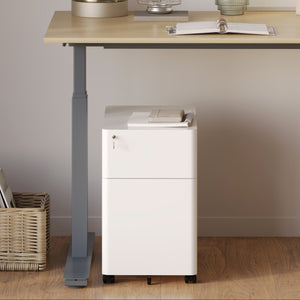
Small home offices benefit from cabinets that do not dominate the floor plan. A compact cabinet can fit beside a desk, under a work surface, or near a wall without overwhelming the room. This is especially important in bedrooms, studio apartments, guest rooms, and multipurpose spaces.

A compact cabinet works best when paper volume is moderate and filing categories are well controlled. It is not an excuse to keep every document indefinitely. Instead, it encourages cleaner decisions about what should be filed, scanned, shredded, or recycled.

Measure Drawer Pull-Out Clearance

Many people measure only the cabinet body. Drawer clearance matters just as much. A drawer must open far enough for folders to be visible and easy to remove. If it cannot open fully, the back of the drawer becomes difficult to use, and the cabinet loses practical capacity.

Leave space in front of the cabinet for the drawer, your body, and any chair movement. This is especially important near walls, closet doors, beds, and narrow walkways.

Larger Cabinets for Dedicated Offices and Paper-Heavy Work

A larger cabinet can make sense for dedicated home offices or paper-heavy work. Bookkeeping, consulting, teaching, design administration, household management, and small business operations can create multiple file categories that need room to grow.

The key is to avoid buying size without structure. More drawer space can help, but only if folders are labeled clearly and reviewed regularly. Otherwise, a larger cabinet simply creates more room for unsorted paper.

Desk Size and Cabinet Placement Should Work Together

A filing cabinet should support the desk, not compete with it. When choosing storage, consider desk width, legroom, cable paths, and chair movement. The cabinet should be close enough to use but not so close that it blocks posture or movement.

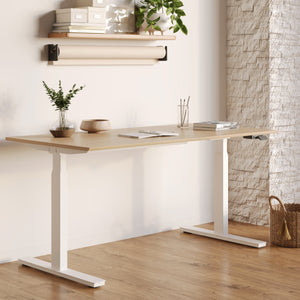
Pairing storage with desks built for focused work helps create a cleaner relationship between the work surface and the filing zone. The desk stays available for active tasks, while the cabinet handles the documents that would otherwise spread across the surface.

Compare Vertical, Lateral, Mobile, and Low-Profile Filing Cabinets

Different cabinet types support different habits. The right choice depends on the room shape, the number of files, and how often the documents are accessed.

Filing Cabinet Type Best For Space Requirement Access Style Main Advantage Watch Out For
Vertical cabinet Narrow rooms and compact offices Less width, more depth Front-to-back filing Uses limited wall space efficiently Needs drawer clearance in front
Lateral cabinet Frequent folder access Wider wall space Side-to-side filing Makes many folders easier to view Can feel bulky in small rooms
Mobile cabinet Flexible home work zones Compact footprint Close-at-hand storage Easy to reposition as needs change Casters and drawer stability matter
Low-profile cabinet Visually quiet workspaces Shorter height Mixed file and supply use Reduces visual bulk May offer less capacity
Locking cabinet Personal or sensitive documents Varies by design Controlled drawer access Adds everyday privacy Locking does not mean fire-resistant


Vertical Filing Cabinets for Narrow Layouts

Vertical filing cabinets are useful when floor width is limited. They are often deeper than they are wide, which makes them suitable for narrow gaps beside desks or along walls. Files usually run front to back, so labels should be consistent and easy to scan from above.

This style works well for home offices where storage needs are clear but floor space is limited. The main planning issue is depth. Make sure the drawer can open without blocking a walking path or hitting nearby furniture.

Lateral Filing Cabinets for Frequent Folder Access

Lateral cabinets are wider and often make folders easier to browse. Files may sit side to side, which can make labels more visible at a glance. This format suits people who handle multiple files throughout the day, such as consultants, administrators, designers, or household managers who need fast access to many categories.

Because lateral cabinets take up more horizontal wall space, they work best in rooms with a dedicated storage wall or a clear area beside the desk.

Mobile Filing Cabinets for Flexible Work Zones

Mobile filing cabinets are valuable in home offices that change throughout the day. They can move closer during work and shift away when the room returns to another purpose. This flexibility is useful in shared spaces, compact apartments, and hybrid work setups.

Look for practical movement, not novelty. Casters should feel stable, drawers should operate smoothly, and the cabinet should not feel top-heavy when opened. Mobility only helps when the cabinet remains easy and safe to use.

Look Beyond Style: Materials, Hardware, and Drawer Performance Matter

A filing cabinet becomes part of the daily work rhythm. If the drawers stick, handles feel awkward, or the cabinet wobbles under weight, organization becomes harder. Materials and hardware influence long-term usability as much as appearance.

Metal Cabinets for Durability and Frequent Use

Metal filing cabinets are often chosen for strength, cleanability, and a more traditional office function. They can be a good fit for users who open drawers frequently or store heavier paper loads. Metal surfaces also tend to be easy to wipe clean, which is useful in active workspaces.

The look should still fit the room. In a home office, a metal cabinet can feel clean and modern when paired with warm lighting, a balanced desk, and a less cluttered surface.

Wood and Wood-Look Cabinets for Residential Warmth

Wood and wood-look finishes can help a filing cabinet blend into a home. This matters when the office is part of a bedroom, living room, or open area. Warmer finishes can soften the visual presence of storage and make the workspace feel intentional rather than temporary.

The tradeoff is that appearance should not override function. Smooth drawer movement, stable construction, and usable interior dimensions still matter most.

Drawer Glides, Pulls, and Stability Details

Good drawer glides make filing feel effortless. When drawers open and close smoothly, papers are more likely to be filed immediately. Pull style also matters. Recessed or low-profile pulls can be helpful in tighter rooms because they reduce the chance of catching clothing or bumping into furniture.

Stability is essential. Full drawers can become heavy, and open drawers shift weight forward. A well-designed cabinet should feel steady during normal use.

Security Features for Personal, Financial, and Work Documents

A home office often contains private information. Even in a trusted household, it is wise to separate sensitive documents from casual papers. This protects privacy, reduces accidental loss, and keeps important records easier to manage.

When a Locking Cabinet Makes Sense

A locking filing cabinet is useful for passports, tax records, contracts, insurance papers, lease documents, employee files, client information, medical records, and personal identification documents. It is also helpful in homes with children, roommates, guests, or shared work areas.

The lock should be understood accurately. It helps control everyday access, but it does not automatically make a cabinet fireproof, waterproof, or suitable for every high-risk storage need. Documents with special protection requirements may need specialized storage beyond a standard home office cabinet.

Privacy Habits That Support Secure Storage

Security is partly a product feature and partly a habit. Sensitive papers should not sit in open trays for days. Keys should have a consistent place. Outdated records should be shredded or disposed of responsibly. Current documents should be filed as soon as the action is complete.

A cabinet supports privacy best when it is paired with a clear routine.

Filing Cabinet Placement That Makes Organization Effortless

The best cabinet location is the place where filing feels natural. If active folders are across the room, paper will usually remain on the desk. If the cabinet blocks movement, it will become frustrating. Placement should support the way the room is actually used.

Keep Active Files Within One Reach Zone

Active files should be close to the primary work area. For many home offices, that means beside the desk or within one step of the chair. Archive files can be farther away because they are used less often.

Think in zones. The desk is for immediate work. The nearby cabinet drawer is for active files. A lower or less accessible drawer is for archives. This arrangement keeps the most important materials close without crowding the desktop.

Protect Chair Movement and Drawer Clearance

The cabinet should not interfere with sitting, turning, or standing. A chair needs room to move naturally, especially during longer work sessions. Cabinet drawers also need space to open without forcing the user to reposition the chair awkwardly.

A workspace with adjustable office seating benefits from storage that respects movement. The chair, desk, and filing cabinet should work as one zone, not as separate pieces competing for the same floor space.

Use Lighting to Make Labels and Folders Easy to See

Good lighting makes filing easier. Folder labels, drawer contents, and small paperwork details are easier to read when the filing area is not in shadow. This matters in evening work sessions, rooms with limited natural light, or corners where cabinets are often placed.

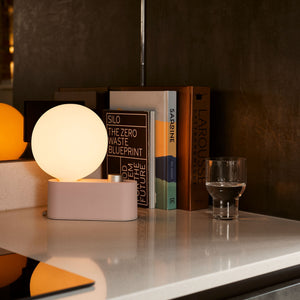
An Alumina Lamp for focused desk lighting can help define the work zone while supporting visibility around nearby papers and folders. The goal is a workspace where filing feels simple, not like an extra task.

Build the Filing System Before the Cabinet Becomes Full

A filing cabinet without a system becomes a drawer full of decisions waiting to be made. Set up the categories before the cabinet fills up.

Create Categories That Match Real Life

Strong filing categories reflect how documents are searched later. Common home office categories include:

1. Financial records

2. Tax documents

3. Insurance papers

4. Medical records

5. Legal documents

6. Home and property files

7. Work or client folders

8. School or family documents

9. Receipts and warranties

10. Pending action items

The “pending” category is especially important. It prevents active paperwork from mixing with completed records.

Use a Three-Level Folder System

A simple hierarchy keeps the cabinet easy to navigate. Use main folders, subfolders, and date-based folders where needed.

For example:

  • Financial

    • Taxes

      • 2026

    • Banking

    • Receipts

This structure prevents over-labeling while still making files easy to retrieve. Too many micro-categories can become just as confusing as too few.

Labeling Rules That Prevent Future Confusion

Labels should be plain, consistent, and easy to scan. Use everyday language rather than clever names. Choose one date format and apply it across folders. Keep active files visually distinct from archives.

Color coding can help, but only when it has a purpose. For example, green for financial, blue for medical, and gray for home records can work well. Random colors create decoration, not organization.

Design the Filing Cabinet Around the Full Home Office Workflow

A filing cabinet performs best when it supports the entire work environment. Organization improves when the desk surface, seating, lighting, and storage all contribute to the same flow.

Keep the Desk Surface Clear Enough for Actual Work

A clear desk is not about minimalism for its own sake. It is about having room to think, write, type, review papers, and finish tasks without moving piles first. The filing cabinet should absorb the documents that do not need to remain on the work surface.

Vertical desk organization helps too. A slim laptop stand can lift a laptop from the surface and create a cleaner visual field. When screens, papers, and supplies each have a defined place, the desk feels more intentional and easier to maintain.

Combine Storage, Desk Setup, and Lighting Into One Work Zone

The most useful home offices are designed as systems. The desk supports focused tasks. The chair supports posture and movement. The cabinet handles documents. Lighting improves visibility. Each element should make the others easier to use.

Choosing workspace furniture for modern offices with a coordinated approach can help a home office feel less improvised. The filing cabinet becomes part of a complete work setting rather than a separate storage piece added after clutter appears.

Add Warmth So the Filing Area Feels Residential

A filing area does not have to feel cold or administrative. Warm lighting, natural textures, clean surfaces, and thoughtful placement can help storage blend into the home. This matters in rooms where work and daily living share the same space.

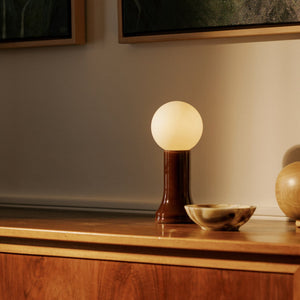
A recycled glass table lamp can bring softer visual character to a nearby surface while supporting a more comfortable atmosphere. Small design choices like this help the filing zone feel integrated rather than purely functional.

Filing Cabinet Mistakes That Make a Home Office Harder to Organize

A filing cabinet should reduce friction. When the wrong cabinet or system is chosen, it can create new clutter instead of solving old clutter.

Buying for Today’s Paper Pile Instead of Ongoing Storage

A cabinet that barely fits current paperwork will overflow quickly. Leave enough room for new records, but avoid creating so much excess space that drawers become dumping grounds. The goal is controlled growth.

Choosing Appearance Without Checking Drawer Function

Style matters in a home office, but drawer performance matters more. A cabinet that looks attractive but is hard to open will not support daily habits. Test or evaluate drawer access, handle placement, stability, and interior dimensions whenever possible.

Mixing Every Category Into One Drawer

A single mixed drawer becomes difficult to search. Separate active files, reference files, archives, and supplies. Even a small cabinet can stay organized when each drawer has a purpose.

Letting the Cabinet Become a Junk Drawer

Filing cabinets often collect unrelated items because drawers are convenient. Random cords, old notebooks, spare hardware, receipts, and personal items can quickly take over. Use small organizers for supplies and schedule regular reviews so the cabinet remains focused on document storage.

A Filing Cabinet That Fits Your Workflow Turns Organization Into a Home Office Habit

The right filing cabinet makes organization easier to repeat. It fits the room, holds the right categories, opens smoothly, protects important papers, and supports the way work happens each day. It also belongs visually in the home, which matters when the office shares space with daily life.

A well-chosen cabinet gives paper a reliable destination. Active files stay close. Archived records remain protected and findable. Supplies do not spill across the desk. Sensitive documents are handled with more care. The workspace feels calmer because the storage system is doing its job quietly in the background.

Home office organization becomes sustainable when the cabinet, desk, chair, lighting, and filing habits all support the same purpose: a workspace that stays clear, functional, and ready for focused work.

Previous article Filing Cabinet vs Open Shelves: Which Storage Works Better for Everyday Use?
Next article Best Laptop Stand Ideas for Flexible Workspaces and Multi-Use Rooms

Leave a comment

* Required fields

Get 10% off your first order

Find the office furniture that’s designed to match your style, comfort, and needs perfectly. Subscribe

My Office

You have unlocked free shipping!

You're saving $29 and unlocked free shipping!


Your cart is empty.
Start Shopping

Contact Us