

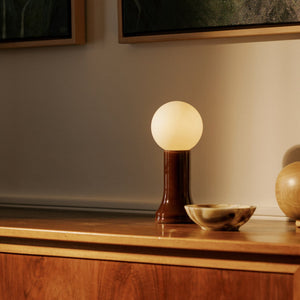
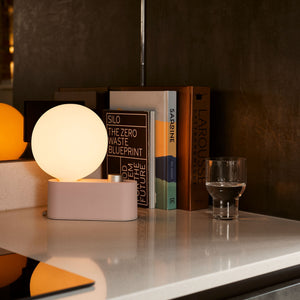
























Table Lamp Buying Guide: What to Look For Beyond Just Style
Choosing a table lamp takes more than finding the right style. This buying guide explains how to evaluate lamp height, shade type, brightness...
Learn more
Visit quiz page to see how we makes it easy to create an inspiring workplace


Long hours at a desk are no longer just part of modern life. They are shaping our posture, energy levels, and long-term health in ways many people only notice when discomfort becomes constant. Ergonomic furniture is not about luxury or trends. It is about designing a workspace that supports the body the way it naturally moves and rests. When done right, the result is better focus, fewer aches, and a workday that feels sustainable rather than draining.
This guide breaks down how ergonomic furniture supports health and productivity, what to look for when investing in key pieces, and how thoughtful design choices can make a measurable difference in how you work every single day.
Ergonomics used to be a term reserved for corporate offices and research labs. Today, it matters just as much at home. As remote and hybrid work continue to grow, more people are realizing that kitchen chairs and makeshift desks were never designed for eight-hour workdays.
Poor ergonomics can quietly impact the body over time. Neck stiffness, lower back pain, wrist strain, and eye fatigue often start small and build gradually. These issues do not just affect comfort. They reduce concentration, increase stress, and can even lead to chronic conditions if ignored.
On the other hand, an ergonomic setup supports neutral posture. It encourages movement, keeps joints aligned, and reduces unnecessary strain. When the body feels supported, the mind is free to focus on tasks rather than discomfort.
Productivity is closely tied to physical well-being. When the body is under strain, the brain spends energy compensating for discomfort. This reduces attention span and increases fatigue.
Sitting or standing in poor alignment forces muscles to work harder than necessary. This increases cognitive load, meaning the brain is multitasking between work and managing physical stress.
Reduced muscle tension and joint strain
Improved blood circulation throughout the day
Better breathing due to open chest posture
Increased ability to concentrate for longer periods
A well-designed workspace reduces distractions caused by discomfort. Over time, this leads to more consistent output and fewer breaks caused by physical fatigue.
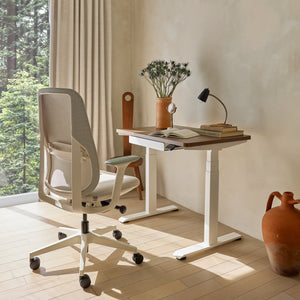
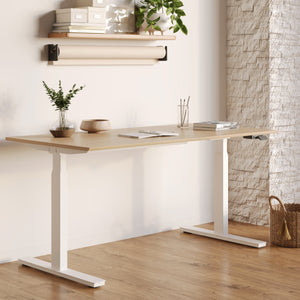
The desk is the foundation of any ergonomic workspace. Its height, surface area, and stability directly affect posture and movement throughout the day.
A desk that adapts to the user allows natural movement patterns. Alternating between sitting and standing reduces prolonged pressure on the spine and hips.
Smooth height transitions
Stable construction that does not wobble
Sufficient surface space for screens and accessories
Clean, minimal design that reduces visual clutter
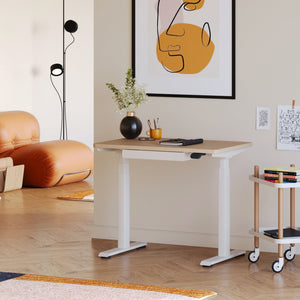
For those seeking flexibility without sacrificing space, a thoughtfully designed option like Mini Standing Desk California offers a practical solution that blends movement with compact efficiency.
Standing desks are not meant to eliminate sitting entirely. The goal is balance. Standing too long can be just as taxing as sitting all day if posture and movement are ignored.
An ergonomic desk setup encourages subtle shifts in position. Small changes like adjusting height, repositioning feet, or leaning slightly help prevent stiffness and muscle fatigue. The ability to change posture throughout the day supports spinal health and keeps energy levels more stable.
This is where a height-adjustable standing desk for posture support becomes valuable. The focus is not just elevation, but smooth transitions that fit naturally into the workflow.
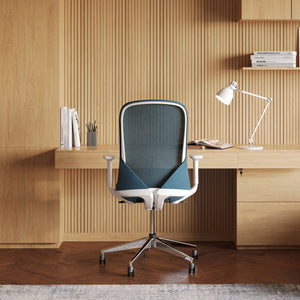
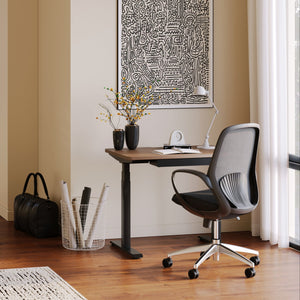
Many people underestimate the role of seating in overall ergonomics. A poorly designed chair forces the body to compensate, leading to tension in the lower back, shoulders, and neck.
A well-engineered chair supports the spine’s natural curves rather than flattening them. It allows the hips to sit slightly higher than the knees, reducing pressure on the lower back.
Adjustable seat height and depth
Proper lumbar support placement
Breathable materials for long sessions
Stable base with smooth movement
Pairing a functional desk with a dependable office desk for daily work creates a balanced foundation for both seated and standing tasks.
Even with the right desk and chair, discomfort can persist if arms and screens are poorly positioned. The shoulders and wrists are particularly vulnerable during long hours of typing and mouse use.
An ergonomic setup keeps elbows close to the body and wrists in a neutral position. Screens should sit at eye level to prevent neck strain. Small adjustments in arm support can significantly reduce fatigue over time.
Accessories that allow fine-tuning, such as adjustable monitor and arm support, help maintain alignment without forcing unnatural positions.
|
Feature |
Ergonomic Furniture |
Traditional Furniture |
|
Adjustability |
Designed to adapt to body size and movement |
Fixed dimensions |
|
Posture Support |
Encourages neutral alignment |
Often promotes slouching |
|
Long-Term Comfort |
Built for extended use |
Intended for short durations |
|
Health Impact |
Reduces strain and fatigue |
Can contribute to chronic pain |
|
Productivity |
Supports sustained focus |
Leads to frequent discomfort breaks |
This comparison highlights why ergonomic furniture is an investment in daily performance rather than a cosmetic upgrade.
True ergonomics is not about one perfect item. It is about how each element works together to support the body.
External research on workstation setup, such as evidence-based ergonomic workstation guidelines, reinforces the importance of alignment, spacing, and adjustability.
Desk and chair that work together
Monitor positioned at eye level
Arm support to reduce shoulder strain
Lighting that reduces glare and eye fatigue
Completing the setup with supportive seating like advanced ergonomic seating ensures comfort across long work sessions without sacrificing posture.
Ergonomic furniture is not a short-term fix. It is a long-term strategy for maintaining health and productivity. Over months and years, proper support can reduce the risk of repetitive strain injuries and chronic pain.
People often notice subtle improvements first. Fewer headaches, less stiffness in the morning, and improved concentration during the day. These small changes add up, creating a work routine that feels sustainable rather than exhausting.
By investing thoughtfully, ergonomic furniture becomes part of a daily wellness practice rather than just another office expense.
The quality of your workday is shaped by the environment you spend it in. Ergonomic furniture supports the body, sharpens focus, and makes long hours more manageable. Instead of reacting to discomfort, it allows you to work proactively and comfortably.
Workspace supports natural posture
Desk allows sitting and standing balance
Chair provides proper lumbar and hip support
Screens and arms are positioned to reduce strain
Setup encourages movement throughout the day
When these elements come together, productivity feels less forced and more natural. The smartest workspaces are not the most complicated. They are the ones designed with the human body in mind.


You have unlocked free shipping!
You're saving $29 and unlocked free shipping!
Leave a comment