















How an Alumina Lamp Makes Focus Zones Feel More Polished

A focus zone can have the right desk, the right chair, and the right layout, yet still feel unfinished when the lighting is treated as an afterthought. The missing layer is often not another decorative object or a larger piece of furniture. It is a clear lighting gesture that gives the work area shape, depth, and visual purpose.
That is where an alumina lamp becomes more than a practical accessory. A refined lamp introduces a point of focus on the work surface, softens the transition between furniture and equipment, and helps the area feel intentionally composed. The effect is subtle, but it changes how the zone reads. Instead of looking like a place where work simply happens, the space begins to feel edited, settled, and ready for concentrated use.
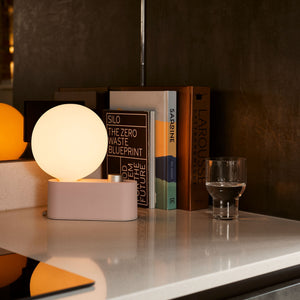
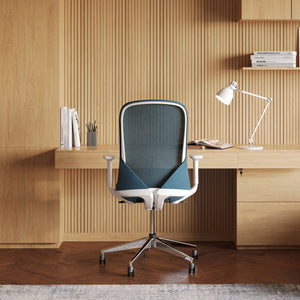
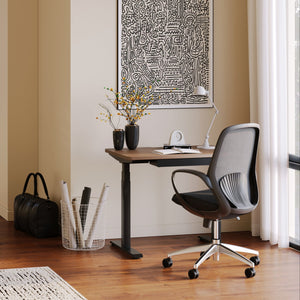
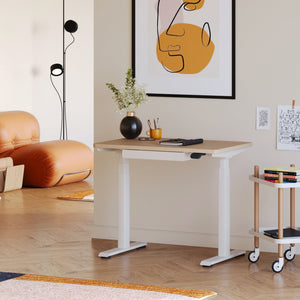
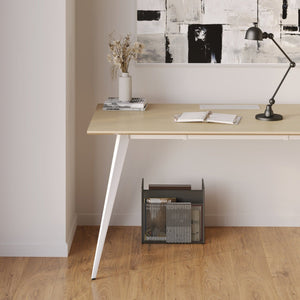
The Alumina Lamp for desk or wall lighting supports that kind of refined workspace because it brings a clean material presence into a compact footprint. Its role is not to overpower the desk. Its value comes from how it quietly organizes the surrounding elements, from the monitor and notebook to the chair, wall, and surface underneath it.
Why Focus Zones Often Feel Incomplete Without a Defined Lighting Layer
A polished focus zone starts with function, but function alone rarely creates a complete visual experience. A desk can hold a laptop. A chair can support seated work. A table can host a quick meeting. Still, without a secondary light source, the area may feel temporary or underdeveloped.
Overhead lighting fills a room, but it does not always give a particular work area identity. It spreads brightness across everything evenly, which can make a desk feel flat. Objects may look disconnected from one another. The surface may appear exposed rather than intentional. A lamp changes that by creating a smaller zone within the larger room.
The Difference Between a Work Surface and a Focus Zone
A work surface is a place to place tools. A focus zone is a place that supports attention. The difference is created through proportion, lighting, object placement, and restraint.
When a lamp is added thoughtfully, it does three things at once. It marks where the work happens, it gives the eye a clear resting point, and it softens the transition between utility and design. This matters in home offices, shared workplaces, creative studios, and compact work corners where every piece needs to carry more visual responsibility.
A bare desk may be efficient, but it can also feel unresolved. A desk with a carefully placed alumina lamp reads differently. It suggests that the space has been considered, not just furnished.
Why Overhead Light Can Make a Desk Feel Flat
Ceiling lighting is useful for general visibility, but it often lacks nuance. It can make surfaces look washed out, especially when desks, chairs, and screens are all lit from the same direction. The result is a workspace with no visual hierarchy.
A lamp introduces contrast. It creates a lower, more personal layer of light. Even when used as part of a broader lighting plan, a desk lamp or wall-adjacent lamp helps the focus zone feel separate from the rest of the room. That separation is what gives the area polish. It feels like a distinct working destination rather than a leftover portion of the floor plan.
How an Alumina Lamp Adds Structure, Material Presence, and Visual Calm
An alumina lamp works especially well in focus zones because it brings a clear material language. Aluminum has an architectural quality. It feels precise, clean, and direct without needing ornament. In a workspace, that restraint can be powerful.
A lamp made with a metal body has enough visual weight to anchor a surface, yet it can still feel minimal when the shape is simple. This balance is useful in focus areas where too many decorative details can create distraction.
A Sculptural Object That Does Not Create Clutter
Polished focus zones are rarely built by adding more. They are usually improved by choosing fewer pieces with stronger intention. A lamp gives the desk a finished point without requiring stacks of objects, framed pieces, or decorative fillers.
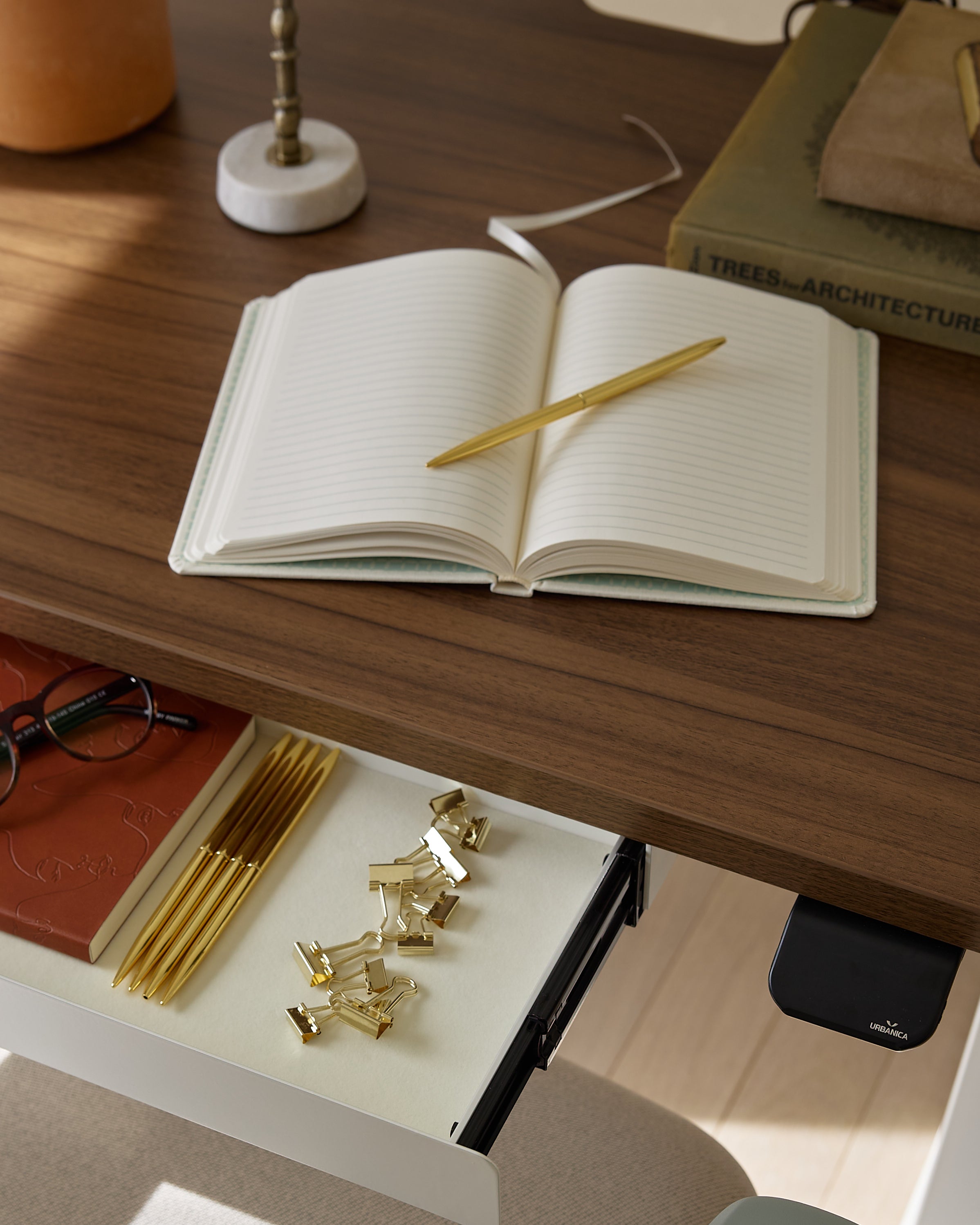
Placed near a notebook, tray, or monitor edge, an alumina lamp can complete the composition. The desk feels styled, but not busy. The effect is especially helpful for workers who prefer a clean surface but still want the workspace to feel warm and complete.
Clean Materials Help the Eye Settle
Workspaces often combine many visual signals: screen edges, cables, paper, chair legs, storage, keyboards, and personal items. A polished lamp can create order among those signals. Its consistent material and shape give the eye something stable to return to.
That is a major reason an alumina lamp can make a focus zone feel more polished. It does not rely on loud color or complex decoration. It uses form, finish, and placement to create calm.
Building a More Polished Desk Zone Around the Lamp
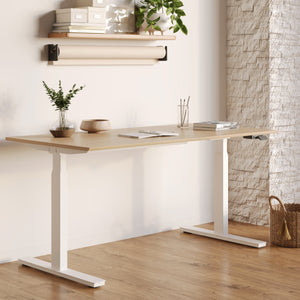
A lamp looks most intentional when the work surface supports it. The desk does not need to be large or elaborate, but it should allow the lamp to feel integrated rather than squeezed into place. The relationship between surface depth, screen placement, and open space determines whether the lamp becomes a design anchor or just another object.
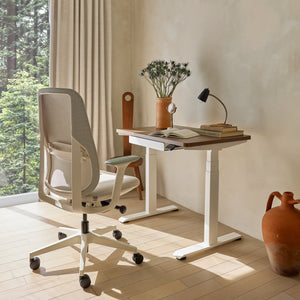
For focused work areas, work surfaces for focused setups give the lamp a foundation. The right surface allows room for essential tools while preserving enough negative space for the lamp to read as purposeful.
Side Placement Creates Visual Balance
A simple placement strategy is to put the lamp opposite the heaviest visual object on the desk. If a monitor sits to one side, the lamp can balance the other. If storage or books create weight on the left, the lamp can bring structure to the right.
This does not mean the desk needs perfect symmetry. In fact, polished work zones often feel more natural when they are slightly asymmetrical. The goal is balance, not mirror-image styling.
Rear-Corner Placement Preserves Work Space
A rear-corner position is useful when the desk needs to stay open for writing, laptop work, or reviewing documents. The lamp remains visible, but it does not interrupt the main working area.
This placement can also make the desk feel deeper and more layered. The front of the surface stays clear for tasks, while the back of the surface carries the visual composition. That separation helps the zone feel organized.
Wall-Side Placement Makes the Setup Feel More Built In
When a desk sits near a wall, placing the lamp close to the vertical plane can make the workstation feel more architectural. The lamp becomes part of the relationship between surface and wall instead of floating alone on the desktop.
This approach works well in compact spaces where the desk must look intentional from multiple angles. It can also help a simple desk feel more complete without adding shelving or extra décor.
Comparing Alumina Lighting With Softer Decorative Lamp Choices
Not every focus zone needs the same lighting mood. Some spaces benefit from crisp structure. Others need warmth, reflection, or a softer residential tone. Understanding the difference helps prevent a lamp from feeling mismatched.
An alumina lamp is strongest where the goal is clarity and polish. It works well with modern desks, restrained color palettes, compact workstations, and areas that need a clean visual anchor. A softer decorative lamp may be better for lounge-adjacent spaces or reading corners where atmosphere matters more than architectural structure.
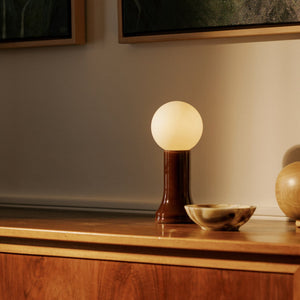
The Shore Lamp made from recycled glass represents a different kind of lighting mood, one that leans more reflective and decorative. That contrast is useful when deciding whether a focus zone should feel crisp and structured or warmer and more atmospheric.
Lamp Style and Workspace Mood Comparison
| Lighting choice | Best workspace fit | Visual mood | Effect on a focus zone |
|---|---|---|---|
| Alumina-style metal lamp | Desks, wall-adjacent workstations, compact focus areas | Clean, structured, modern | Helps the zone feel edited and composed |
| Recycled glass table lamp | Softer corners, lounge-adjacent work areas, accent surfaces | Reflective, warm, decorative | Adds atmosphere and material contrast |
| Fabric-shade lamp | Reading nooks, relaxed home offices, residential corners | Gentle, familiar, casual | Makes the area feel softer and less formal |
| Slim technical task light | Monitor-heavy desks or detail-focused surfaces | Minimal, practical, precise | Supports task visibility with a more utilitarian look |
The best choice depends on the purpose of the zone. For a desk meant to support deep work, planning, or focused laptop use, a structured lamp often reinforces the seriousness of the space without making it feel cold.
The Design Psychology Behind a More Polished Focus Zone
A polished focus zone is not only about how the furniture looks. It is about how the arrangement guides attention. People read spaces quickly. A crowded desk can feel mentally noisy. A blank desk can feel unfinished. A balanced desk, with a defined light source and thoughtful spacing, feels easier to approach.
An alumina lamp helps create that balance by supporting visual hierarchy. It gives the eye a clear object to recognize, then allows the surrounding work tools to feel organized around it.
Visual Hierarchy Gives the Desk a Resting Point
Every well-composed workspace needs a point of emphasis. Without one, the eye jumps between screen, keyboard, paper, cables, chair, and wall. A lamp can become that point of emphasis without taking over the space.
The lamp’s presence helps the desk feel arranged. It gives the setup a center of gravity, even when the work tools shift throughout the day. That is important because focus zones are active spaces. They need to look polished while still allowing real work to happen.
Light Layering Adds Depth Without Extra Furniture
A secondary light source creates depth. It introduces a lower layer of illumination that can make the work surface feel more dimensional. This does not require dramatic brightness or complex technology. It simply requires a light source placed with intention.
Layered lighting also helps a focus zone feel more personal. The desk becomes a smaller environment within the room. That sense of enclosure can make the area feel calmer and more finished, especially in open rooms or shared offices.
Material Repetition Makes the Lamp Feel Connected
A lamp feels more polished when it relates to nearby details. The connection can be subtle. A metal lamp might echo chair legs, table hardware, monitor arms, cabinet pulls, or other clean-lined elements in the space.
The goal is not exact matching. A workspace can feel more natural when finishes are coordinated rather than identical. Repeating one tone or material cue helps the lamp feel chosen for the space rather than added at random.
Placement Details That Keep an Alumina Lamp Looking Intentional
Good styling depends on small decisions. The lamp may be the key object, but its impact depends on the space around it. A polished focus zone gives each item enough room to be understood.
Give the Lamp Base Breathing Room
A lamp crowded by cups, chargers, loose paper, and multiple decorative items loses its impact. Negative space around the base helps the lamp read as a deliberate design element.
A practical rule is to let the lamp share the desk with only the essentials. A notebook, tray, small plant, or writing tool can work well nearby, but too many objects compete for attention. The lamp should anchor the zone, not disappear into clutter.
Check the Screen and Sightline Relationship
A lamp should support the work surface without creating discomfort around screens. It should not point directly toward the eyes or sit where it produces distracting reflections. The best placement depends on the desk layout, monitor angle, and how the person uses the surface.
This is a design choice as much as a functional one. When the lamp sits naturally within the sightline, the workspace feels calmer and more resolved.
Control Cables Before They Break the Composition
Cables can undo an otherwise polished focus zone. A clean lamp placement should include a simple cord path. Routing the cord toward the back of the desk, along a table leg, or toward an existing cable group helps preserve the visual order.
A polished workspace does not need to hide every sign of work. It does need to prevent functional details from becoming the first thing people notice.
Styling Checks for a Finished Focus Zone
-
Keep the lamp close enough to support the work surface.
-
Leave open space around the lamp base.
-
Balance the lamp against the largest object on the desk.
-
Keep only daily-use items visible.
-
Repeat one finish, tone, or shape from nearby furniture.
-
Angle the light so it supports the task without competing with the screen.
-
Remove decorative items that duplicate the lamp’s visual role.
Bringing Polish to Shared Focus Areas and Huddle Zones
Focus zones are not limited to individual desks. Many offices now use smaller shared areas for reviews, planning sessions, quiet collaboration, or short project conversations. These areas often include a table and seating, but without lighting, they can feel like leftover space.
A round table for huddle-style work can create an approachable setting for small-group focus. Adding a lamp nearby, when the layout allows, helps the zone feel more complete and less temporary.
Small Meeting Areas Need Atmosphere, Not Just Furniture
A shared focus zone should signal purpose. A table and chairs provide the basics, but lighting adds atmosphere. It suggests that the space is intended for review, discussion, or quiet work rather than being a spare corner.
The lamp does not need to dominate the table. Its role is to support the mood of the area. When the lighting, seating, and table shape work together, the space feels more considered.
Seating Should Match the Level of Finish
A polished focus area also depends on seating. Chairs influence posture, scale, and the overall tone of the room. In collaborative zones, ergonomic seating for collaborative rooms can help the setting feel suitable for shared work rather than casual overflow.
When seating and lighting share a clean design language, the room feels more cohesive. The lamp becomes part of a complete setting, not a standalone accessory.
A Practical Focus-Zone Scenario: From Leftover Corner to Refined Work Nook
Consider a small office corner with a round table, two chairs, and overhead lighting. The space is technically useful, but it may not invite use. It lacks a focal point. It does not feel visually separate from the rest of the room. It may become a place for bags, spare papers, or unused materials.
Adding an alumina lamp changes the reading of that corner. The lamp gives the table a purpose. It creates a visual anchor near the work surface and makes the area feel more prepared for reading, reviewing, or short focused sessions.
The Before State Feels Useful but Unclaimed
A plain corner often fails because nothing defines it. The furniture may be correct, but the area does not communicate why it exists. Without lighting, the table surface can look flat and uninviting.
This is where many focus zones lose polish. They are furnished, but not finished.
The Design Move Is Simple and Restrained
The strongest improvement is not always a large change. Place the lamp where it supports the work surface, reduce excess objects, align the surrounding pieces, and give the lamp enough space to stand visually. A notebook or tray can remain nearby, but the surface should not become crowded.
The result is a zone that feels intentional without feeling staged. It can still function for daily work, but it now has a clearer identity.
Polished Focus Zones for Compact Urban Workspaces
Smaller offices and hybrid work settings often need furniture and lighting that serve multiple roles. A desk might support focused work, calls, and planning. A small table might function as a laptop perch, a conversation spot, or a review surface. In these settings, lighting has to work harder because there is less room for large decorative gestures.
Well-chosen workspace furniture built for flexible city offices can support that kind of layered use. When paired with an intentional lamp, compact zones can feel polished without becoming overfilled.
Camera-Ready Areas Benefit From Visual Discipline
Workspaces are often seen through screens as much as in person. A polished focus zone can improve the impression of a video-call background by adding warmth, structure, and a more finished composition around the desk.
This does not require a dramatic setup. A clear surface, a refined lamp, and a balanced background can make the area feel calm and professional. The key is discipline. Fewer, better-placed objects usually create a stronger impression than a surface filled with accessories.
Polished Does Not Have to Mean Formal
A focus zone can feel polished and still feel relaxed. Polish is not about making a workspace stiff. It is about removing accidental details and giving the area a clear design logic.
An alumina lamp fits that idea because it can add structure without heaviness. It supports a modern workspace that feels edited, practical, and visually calm.
Small Tables and Secondary Focus Corners With Lamp-Led Styling
Not every focus zone needs to be a primary desk. A secondary work corner can support reading, quick laptop tasks, document review, or informal one-on-one conversations. These compact areas are especially useful when the main desk is occupied or when a change of setting helps the work feel more focused.
A bistro table for compact work corners can support this kind of small-scale workspace. Paired with a carefully placed lamp, the area can feel purposeful rather than improvised.
Round Surfaces Soften the Workspace
Round tables bring a different energy to focus areas. They reduce hard edges and make compact spaces feel more approachable. When paired with a structured lamp, the result can feel balanced. The table softens the arrangement, while the lamp gives it clarity.
This combination is useful for work corners that need to feel professional but not rigid. It creates a setting that supports attention while still feeling welcoming.
Small Surfaces Need Strong Editing
A small table cannot hold too many objects and still feel polished. The best approach is restraint. A lamp, one practical item, and clear table edges are often enough.
The lamp should define the zone, not compete with a pile of accessories. When the surface is edited well, even a compact corner can feel complete.
Common Lamp Styling Mistakes That Make Focus Zones Feel Less Refined
A lamp can elevate a workspace, but only when it is integrated properly. Poor placement, crowded surfaces, and mismatched visual cues can make the area feel less polished instead of more.
Choosing a Lamp That Competes With the Work
An overly ornate or oversized lamp can distract from the purpose of a focus zone. The lamp should support attention, not demand it. This is why clean materials and simple forms often work well in desk settings.
The best focus-zone lighting feels present but controlled. It gives the workspace character while leaving the task at the center.
Treating the Lamp Like Decoration Only
A polished focus zone treats the lamp as part of the work system. It should relate to the desk, chair, table, wall, and daily tools. When the lamp is placed without considering those elements, it can feel disconnected.
The more integrated the lamp feels, the more polished the zone becomes.
Ignoring the Finish Palette
A focus zone can lose cohesion when every finish feels unrelated. Wood, metal, fabric, and painted surfaces can work beautifully together, but they need a sense of order. Repeating one tone or material cue helps.
The lamp can be the piece that ties those details together. It can echo a chair frame, a table base, a monitor arm, or a nearby hardware finish. That subtle repetition makes the space feel designed.
Letting Clutter Weaken the Lamp’s Impact
A lamp needs visual space to do its job. If the surface is crowded, the lamp becomes one more object in a busy field. Clearing the surrounding area allows the lamp to anchor the composition.
A polished focus zone is not empty. It is edited. Every visible piece should have a reason to remain.
A More Polished Focus Zone Begins With Light, Scale, and Restraint
An alumina lamp makes a focus zone feel more polished because it brings together several design functions in one compact object. It defines the work surface. It introduces material structure. It creates a focal point. It supports a calmer relationship between furniture, tools, and light.
The most successful focus zones do not rely on excess. They rely on careful choices. A well-placed lamp can make a desk feel finished, a shared corner feel intentional, and a compact work area feel more refined. It is a small detail with a large visual role because it changes the way the entire zone is understood.
As workspaces become more flexible, the details that shape attention matter more. The polished focus zone is not about decoration for its own sake. It is about creating a setting that feels clear, composed, and ready for meaningful work.
Leave a comment