















How a Conference Chair Makes Shared Work Tables Easier Now

Shared work tables have become one of the most practical pieces in the modern workplace. They support team meetings, temporary laptop work, project reviews, quick decisions, hybrid calls, mentoring sessions, and moments when people simply need a shared surface to think through work together. Yet the table itself is only part of the experience. The way people sit around it often determines whether the space feels productive, comfortable, flexible, or frustrating.
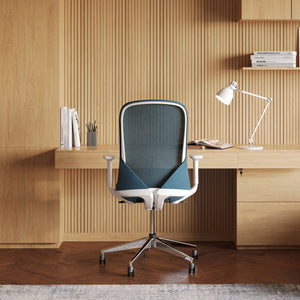
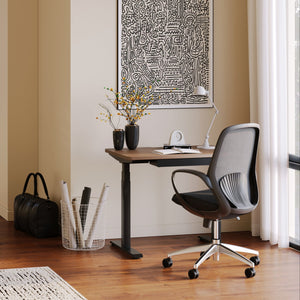
A conference chair plays a central role in making shared work tables easier to use because it affects how people enter the space, sit close to the surface, turn toward teammates, use devices, and stay engaged. A poorly matched chair can make even a well-designed table feel crowded or awkward. A well-matched chair creates smoother movement, better posture, clearer sightlines, and a more natural rhythm around the table.
For shared work areas to function well today, seating needs to do more than fill space. It must support real work habits. That starts with choosing seating made for meeting rooms and collaborative spaces that fits the purpose of the table, the way people gather, and the flexibility the room needs throughout the day.
Why Conference Chairs Shape the Way Shared Work Tables Function
A shared work table is designed for many people, many tasks, and many transitions. One group may use it for a planning session in the morning. Another person may use the same surface for focused laptop work later. A small team may gather around it to review drawings, samples, reports, or presentations. Because the table must serve different uses, the chairs around it need to support those shifts without making the setup feel improvised.
Shared Tables Create Flexibility, While Chairs Create Usability
The table provides the horizontal workspace, but the chair defines the user’s relationship to that surface. Seat height affects whether arms rest naturally while typing or writing. Chair width affects how many people can comfortably sit around the table. Back support affects how long people can stay focused. Mobility affects whether a person can pull in, push back, or turn toward a teammate without disrupting everyone nearby.
This is why a conference chair makes shared work tables easier now: it turns a flexible furniture arrangement into a usable work setting. The right chair helps people move into the space quickly, settle into a comfortable posture, and participate without constantly adjusting their position.
The Difference Between Meeting Seating and Shared Work Seating
Traditional meeting seating often assumes people will sit, listen, speak, and leave. Shared work tables ask for more. People may type, sketch, compare documents, collaborate on a screen, answer a video call, or move between individual focus and group discussion.
That difference matters. A chair around a shared table should feel stable enough for work, comfortable enough for longer use, and easy enough to move when the group changes shape. It should not be so bulky that it dominates the table, and it should not be so minimal that users avoid sitting for more than a few minutes.
Poor Seating Can Make a Good Table Underperform
When the seating does not fit, the problems show up quickly. People sit too far from the table edge. Chairs block walkways. Users twist their bodies to see a screen. Armrests hit the tabletop. Laptops crowd the surface because people cannot position themselves comfortably. Over time, the shared table becomes less inviting, not because the table failed, but because the seating experience made daily use harder.
A conference chair solves these small points of friction by supporting the way people actually behave around shared work surfaces.
Comfort and Posture Around Shared Work Tables
Comfort is not a decorative feature in a shared work setting. It directly affects attention, communication, and how long people can remain productive. A shared table may be used for a 15-minute check-in or a longer working session, so the chair should support both quick use and sustained focus.
Upright Support Helps People Stay Engaged
A conference chair should help users sit upright without feeling stiff. When people can maintain a natural seated posture, they are less likely to lean heavily on the table, slump over a laptop, or shift constantly during discussion. Better posture improves the shared-table experience because people can look up, participate, listen, and move between writing, typing, and speaking with less physical strain.
This matters especially in hybrid and collaborative environments. A person who is uncomfortable may disengage even if the topic is important. The chair does not create the quality of the conversation, but it helps remove physical distractions that interrupt it.
Seat Height Must Match the Work Surface
A shared work table becomes easier to use when the seat height and table height work together. If the chair sits too low, users may raise their shoulders while typing or reaching. If it sits too high, knees and legs may feel cramped beneath the surface. If armrests do not clear the tabletop, the chair may not tuck in properly.
The ideal relationship allows users to sit close enough to write, type, or review materials without leaning forward aggressively. This helps the table feel accessible to different users across the day.
Cushioning and Seat Depth Should Support Different Body Types
Shared work tables usually serve more than one person. Unlike a personal task chair assigned to a single user, a conference chair may be used by employees, visitors, clients, managers, and temporary guests. That means the proportions should feel broadly usable.
Moderate cushioning, supportive seat depth, and a back shape that encourages upright posture can help the same table work for more people. The goal is not to overcomplicate the chair. The goal is to create seating that feels dependable and comfortable for common workplace activities.
Small Comfort Issues Become Workflow Issues
A chair that feels slightly uncomfortable for two minutes may become a real problem after a working session. People begin shifting, leaning, standing early, or spreading their materials awkwardly. These behaviors affect the whole table. When one person cannot sit comfortably, others may need to adjust around them.
Comfort, in this context, is part of the table’s performance.
Movement Around Shared Work Tables Needs to Feel Natural
Shared work tables are active spaces. People do not simply sit down once and remain still. They pull chairs in, push them back, rotate toward a colleague, move aside for someone passing through, or shift from a full-group discussion into smaller conversations. A conference chair should support those movements without creating noise, crowding, or awkward interruptions.
Pull-In and Push-Back Movement Affects Everyday Ease
Every shared table has a repeated movement pattern. Users approach, pull out the chair, sit, move closer, work, then push back and leave. If the chair is too heavy, too wide, or difficult to maneuver, the experience feels clumsy. If it moves smoothly and fits the table scale, people can use the space without thinking about the furniture.
This is one of the most practical ways a conference chair improves shared work tables. It reduces the effort required to use the space.
Flexible Seating Helps Rooms Change Purpose
Many shared table areas are not fixed-use rooms. A conference room may become a project room. A touchdown zone may become a casual meeting area. A training space may need to reset after a group activity. Chairs that are easy to reposition help the room adapt.
This does not require futuristic features or complicated technology. It requires thoughtful scale, stable construction, and a chair design that can move with the needs of the room.
Compact Tables Need Seating That Does Not Overpower the Surface
Smaller shared spaces need especially careful chair selection. Around a compact table, oversized seating can make the area feel crowded before anyone begins working. A small round table used for quick meetings, coffee conversations, or short laptop sessions benefits from chairs that are proportionate and easy to move.
For informal work zones, a compact bistro table for office and home spaces can support casual collaboration when paired with seating that keeps the footprint light and usable. The chair should allow people to sit close enough for conversation without making the table feel blocked or crowded.
Mobility Is More Than Casters
Chair mobility is not only about whether a chair has wheels. It also includes:
-
Chair weight and balance
-
Leg or base shape
-
Floor compatibility
-
Armrest profile
-
Tuck-in clearance
-
Turning space
-
Noise level during movement
These practical details determine whether shared work tables feel easy in real use.
Spacing and Scale Make Shared Tables Feel More Organized
A shared work table can look spacious when empty, then feel crowded once chairs, people, laptops, bags, notebooks, and cables enter the picture. Proper chair scale helps preserve usable space around the table and keeps the surrounding area easier to navigate.
Chair Width Affects True Seating Capacity
There is a difference between how many chairs can physically fit around a table and how many people can comfortably work there. A chair that is too wide may reduce elbow room, crowd laptop space, or push users too far from the table edge. A chair that is too narrow may feel less supportive for longer use.
The best approach is to plan for real use, not maximum density. Shared work tables need enough personal space for each user to type, write, gesture, and move without constantly bumping into others.
Arm Style Changes Table Access
Armrests can improve comfort, but they must fit the table. If the arms are too high, the chair may not tuck under the surface. If they are too wide, they may reduce the number of people who can sit comfortably. Armless chairs can be useful in tight areas because they allow easier side movement and closer placement.
Neither option is automatically better. The right choice depends on the table height, room size, use case, and expected length of sitting. The important point is that arm style should support the shared table, not fight against it.
Round Tables Need Balanced Seating
Round tables naturally encourage equal participation because users can see one another more easily. This makes them useful for discussions, planning, and collaborative decision-making. However, the seating must match the table’s proportions. Chairs that vary too much in height or size can interrupt the visual balance and make the setup feel uneven.
A shared space built around a round table designed for meetings works best when every chair supports a similar sitting height and comfortable access to the center of the surface. That consistency helps conversations feel more natural and keeps the table visually organized.
The Chair Ring Around the Table
The “chair ring” is the space created by seated users and their chairs around the table. It includes the pull-out area, the clearance behind each chair, and the pathway others need to pass comfortably.
A shared table should not be planned by tabletop size alone. The chair ring affects wall clearance, storage access, aisle flow, and whether people can leave without asking others to move. When this area is respected, the table feels easier before the work even begins.
Shared Work Tables Now Support Devices, Notes, and Hybrid Conversations
Modern shared tables are rarely empty surfaces. They hold laptops, phones, notebooks, chargers, samples, documents, water bottles, and sometimes shared screens. A conference chair cannot organize every item on the table, but it can support the posture and positioning that make device-heavy work easier.
Chair Posture Influences Laptop Use
When users sit too low, too far from the table, or without enough back support, laptop work often becomes hunched and uncomfortable. People lean forward, crowd the table edge, and lose eye contact with others. A supportive conference chair helps users sit closer to a neutral posture, which can make laptop use less physically awkward.
This is especially important at shared tables because laptop posture affects everyone nearby. A user leaning far over the surface may block sightlines or take more space than necessary.
Accessories Can Improve the Shared Surface
A shared table becomes easier to use when devices are positioned with intention. Raising a laptop slightly can help reduce hunching and keep the surface more organized. This can be helpful during focused work, hybrid meetings, or review sessions where users need both screen access and open table space.
A laptop stand for screen height and focus can support a cleaner device setup when paired with a chair that encourages upright sitting. The result is not a complicated workstation. It is a more practical way to use a shared surface without letting laptops dominate every inch of the table.
Hybrid Meetings Require Clearer Sightlines
Shared tables now often support a mix of in-person and remote participation. In those settings, body position matters. People need to face cameras, see screens, hear one another, and maintain natural conversation. Chairs that allow easy turning and stable upright posture can make hybrid discussions feel less awkward.
A good shared-table setup helps people look at each other, not only at devices. Seating, screen placement, and table spacing work together to make that possible.
Matching Conference Chairs to Common Shared Table Setups
Different shared work tables need different seating priorities. The same conference chair may not be ideal for every environment, so it helps to evaluate how the table will be used most often.
Shared Table Seating Comparison
| Shared Work Table Format | Chair Priority | How It Makes the Table Easier |
|---|---|---|
| Small bistro-style table | Compact scale and easy movement | Supports short conversations and informal laptop work without crowding |
| Round meeting table | Consistent height and balanced proportions | Helps everyone participate with similar sightlines |
| Multi-person workstation | Supportive seating and space-conscious width | Gives several users room to work side by side |
| Training table | Stable structure and easy repositioning | Helps groups shift between listening, writing, and discussion |
| Hybrid meeting surface | Upright posture and easy turning | Supports camera use, screen viewing, and group conversation |
| Panel-supported shared desk | Quiet movement and defined placement | Balances focus with nearby collaboration |
Multi-User Workstations Need Seating That Balances Focus and Interaction
A larger shared surface can support team-based productivity, but it can also become crowded if seating is poorly matched. Each person needs enough space to work independently while still remaining close enough for quick collaboration. Chair scale, posture support, and pull-out clearance become especially important.
A six-person workstation for larger teams benefits from chairs that respect personal work zones while keeping the overall setup visually consistent. The chair should not make the workstation feel like a packed meeting room. It should help each user occupy a clear, comfortable position.
Consistent Chair Choice Creates a Professional Shared Space
Consistency does not mean every workspace must look identical. It means the seating around a shared table should feel intentional. Matching or coordinated chairs create visual order, simplify spacing, and make the table appear ready for use.
When chair heights, widths, and profiles vary too much around one shared surface, the table can look temporary or uneven. A consistent chair strategy helps the shared table feel like a planned part of the office.
When Mixed Seating Makes Sense
Mixed seating can work when each chair type has a clear purpose. For example, lighter chairs may support flexible workshop zones, while more supportive conference chairs may fit longer meeting areas. The key is to avoid mixing chairs randomly around one shared table if the differences affect comfort, height, or access.
Privacy and Focus Around Shared Work Tables
Shared work tables encourage collaboration, but openness can create distraction. People may need to focus while others are talking nearby. They may want a temporary sense of personal space without being fully separated from the team. Conference chairs contribute to that balance through orientation, spacing, and how they pair with boundary elements.
Open Tables Need Visual Boundaries
A table in an open area can feel exposed if there are no visual cues that define its purpose. Users may hesitate to settle in because the surface feels like a pass-through zone rather than a place to work. Chairs help create a perimeter, but sometimes additional boundaries are useful.
The goal is not to close off the table completely. The goal is to make the shared surface feel intentional and comfortable enough for real work.
Panels Can Define Work Zones Without Closing the Space
In open offices, panels can help give shared work tables a clearer identity. They may reduce visual distraction, help organize desk areas, and create a stronger sense of where one work zone begins and another ends.
Pairing chairs with modular panels that define workspace zones can make shared tables feel more focused while preserving the openness that collaborative spaces need. The chair supports the person. The panel supports the boundary. Together, they help the shared table work for both concentration and communication.
Chair Orientation Can Reduce Distraction
Even without adding more furniture, chair placement can improve focus. Angling chairs slightly away from high-traffic paths, spacing users with enough elbow room, and orienting seats toward the table’s main activity can all make a difference.
A shared table should feel open enough for collaboration but defined enough for people to concentrate. Seating layout is one of the simplest ways to achieve that balance.
Office Layout Decisions That Help Conference Chairs Work Better
A conference chair can only perform well if the room gives it enough space to function. Layout decisions affect how easy it is to enter, sit, work, turn, and leave. When planning shared work tables, the chair and the room should be considered together.
Clearance Around the Table Is Essential
A shared table needs space behind each chair. Without enough clearance, users may bump walls, block aisles, or disturb others when leaving. This becomes especially important in rooms with storage cabinets, presentation screens, doors, or nearby desks.
Clearance is not wasted space. It is part of the usability of the table. A crowded layout may fit more furniture on paper, but it often reduces comfort and slows movement in daily use.
Traffic Patterns Should Influence Chair Selection
High-traffic shared areas need chairs that can handle frequent use and movement. A table near a walkway, reception area, studio space, or team hub may require seating that looks professional while staying practical for repeated sitting, shifting, and repositioning.
The chair should fit the rhythm of the office. A quiet meeting room, a flexible project area, and an open touchdown zone may all need different seating decisions, even when the tables look similar.
Design-Forward Workspaces Need Practical Furniture Planning
A workplace can look refined and still function poorly if the furniture does not support movement and daily use. The strongest shared table setups combine visual simplicity with practical spacing, comfortable seating, and surfaces that match the work being done.
Teams planning modern workspace furniture for creative offices should think about how conference chairs, shared tables, accessories, and layout choices work together. A good office setup does not rely on one impressive piece. It depends on how every piece supports the people using the space.
Test the Layout With Chairs in Place
An empty table can be misleading. The real test begins when chairs are pulled out, laptops are opened, bags are placed nearby, and people begin moving around. Testing the arrangement with chairs in position helps reveal whether the space is comfortable, crowded, or difficult to navigate.
Practical Buying Signals for Conference Chairs Around Shared Work Tables
Choosing conference chairs for shared tables should be based on realistic use, not assumptions. The best choice depends on how long people sit, how often the room changes, how much space is available, and what kind of work happens at the table.
Match Support to Session Length
Short sessions may call for lighter chairs that are easy to move and simple to arrange. Longer working sessions need stronger posture support, comfortable backs, and a seat that remains usable over time. Mixed-use shared tables often need a balance of both.
The question is not whether a chair looks appropriate next to the table. The better question is whether it supports the way people will actually use the table.
Choose Materials for Shared Use
Shared chairs are touched, moved, and used by many people. Materials should be selected with daily use in mind. Easy-care surfaces, stable frames, and finishes that fit the broader workspace can help the seating remain practical without creating unnecessary maintenance concerns.
It is better to choose honest durability and simple usability over features that sound impressive but do not improve the shared-table experience.
Confirm Fit With the Actual Table
Before finalizing chairs, check how they work with the table itself. Important fit details include:
1. Seat height in relation to the tabletop
2. Arm height and tuck-in clearance
3. Knee room below the surface
4. Chair width around the table edge
5. Pull-out space behind each chair
6. Turning room for conversation and screen viewing
7. Space for laptops, notebooks, and small accessories
These checks prevent common problems that only appear after the room is already in use.
Prioritize Honest Function Over Overbuilt Features
Shared work tables need seating that is reliable, comfortable, and easy to live with. Overly complex features are not always necessary. A thoughtfully scaled conference chair with appropriate support can often do more for the daily experience than a chair filled with features that users rarely need.
The best seating choice supports the table quietly. It lets the workspace feel natural, organized, and ready.
Shared Work Tables Become Easier When Every Chair Has a Purpose
A conference chair makes shared work tables easier now because work itself has become more flexible. People gather, separate, focus, talk, type, review, and reconnect throughout the day. The furniture around them needs to support those transitions without creating friction.
The right chair improves comfort, movement, spacing, device use, privacy, and layout flow. It helps a shared table feel less like an open surface and more like a complete work setting. When every seat has a clear role, the table becomes easier to approach, easier to use, and easier to adapt.
A shared work table is most successful when people want to use it. Comfortable, well-scaled conference chairs help make that happen by supporting the real habits of modern teams: sitting close enough to collaborate, moving easily when the work changes, and staying comfortable long enough for useful conversations and focused work to take shape.
Leave a comment