

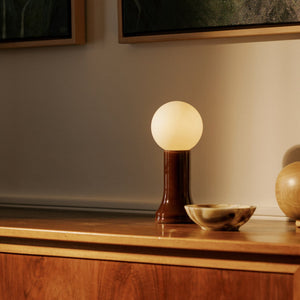
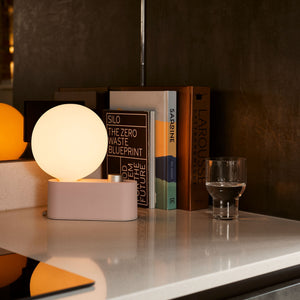
























Table Lamp Buying Guide: What to Look For Beyond Just Style
Choosing a table lamp takes more than finding the right style. This buying guide explains how to evaluate lamp height, shade type, brightness...
Learn more
Visit quiz page to see how we makes it easy to create an inspiring workplace


Back discomfort at a desk is often less about one bad posture and more about staying in one posture for too long. When your body stays still, small stabilizer muscles fatigue and larger muscles take over. That can create tension through the low back, mid-back, and hips. Many people respond by subtly sliding forward, rounding the pelvis, and letting the lower spine flatten. That combination can make the back feel loaded and tired.
An ergonomic chair cannot “cure” back pain, and it should never be treated like a medical treatment. What it can do, when it fits you and is adjusted correctly, is reduce avoidable strain. It supports your pelvis and spine in a more neutral position, encourages small posture changes, and makes it easier to keep your shoulders relaxed.
A practical rule: if the discomfort is strongly linked to sitting time and improves when you stand, walk, or change positions, the setup is worth fixing. If pain is persistent, severe, or comes with symptoms that worry you, a clinician is the right next step. We build chairs and workspaces to support comfort and posture, not to replace healthcare.
The most common issue is a mismatch between chair, desk height, and reach zones. Even a supportive chair struggles when the desk forces your shoulders to hike up, your wrists to bend, or your torso to twist to reach your mouse, phone, or cables. Back comfort is a system, not a single product.
Start with seat height because it affects everything else. Sit back in the chair, place both feet flat, and aim for knees roughly in the 90 to 110 degree range. If your chair is too low, your pelvis can roll backward and encourage slouching. If it is too high, you may lose stable foot contact and brace through your lower back.
If you cannot keep your feet grounded without lowering the chair too far, keep the chair at a supportive height and add foot support. That keeps the pelvis stable while still allowing your arms to rest comfortably.
Seat depth is the distance from the backrest to the front edge of the seat. If it is too deep, it presses behind the knees and you slide forward to escape the pressure. If it is too shallow, you lose thigh support and your hips can feel unstable.
A simple check: sit all the way back and keep a small gap behind your knees. If the front edge presses into the knee crease, shorten the seat depth if your chair allows it. If it feels like you are perched with too much empty space behind you, a slightly deeper seat may help.
Lumbar support should contact the lower back around the beltline area. It should feel supportive, not sharp. If lumbar support feels aggressive, it is usually set too high, too far forward, or paired with a seat depth or recline setting that puts your pelvis in a strained position.
Try this sequence:
1. Sit all the way back.
2. Set seat height.
3. Set seat depth.
4. Then adjust lumbar height and pressure.
For many people, supported recline is helpful. A small recline angle can reduce spinal compression and invite micro-movements. The key is “supported” recline, where the backrest carries part of the load and you are not collapsing into a rounded posture.
Adjust tilt tension so you can lean back without bracing hard with your core or pushing off the floor. If the chair flings you backward, increase tension. If it feels stuck upright, decrease tension slightly.
Yes, when they are too high, too wide, or too low. Armrests should let your shoulders stay down and relaxed while your elbows rest comfortably near your sides. If your shoulders lift, lower the armrests. If you cannot get close enough to your keyboard, narrow or adjust armrests when possible, or position the chair so your forearms can be supported by the desk without hunching.
1. Sit all the way back so your pelvis is supported by the backrest.
2. Set seat height so feet are stable and knees are roughly 90 to 110 degrees.
3. Set seat depth to keep a small gap behind your knees.
4. Place lumbar support around beltline height and adjust pressure to “supportive, not poking.”
5. Set recline so you can shift positions without collapsing forward.
6. Set tilt tension so recline is controlled and easy to return from.
7. Adjust armrests so shoulders stay relaxed and elbows feel naturally supported.
8. Re-check keyboard and mouse reach so your torso does not twist or reach.
When we talk with customers who are choosing a chair for back comfort, a few components show up again and again: lumbar support that matches your spine, a seat that supports the pelvis without forcing it to roll back, and a recline mechanism that encourages movement rather than locking you into a rigid upright pose.
Extra features that do not improve fit often become distractions. A chair can have many adjustments, but if the key ones do not match your body proportions, the experience still feels “off.” We prefer a practical approach: focus on fit first, then choose features that make it easier to maintain that fit during a real workday.
| Chair feature | Discomfort it may reduce | Who it often suits | Common setup mistake to avoid |
|---|---|---|---|
| Adjustable seat height | Low-back fatigue from unstable pelvis | Most people | Lowering the chair to fit the desk, then losing foot stability |
| Seat depth adjustment | Sliding forward, behind-knee pressure | Petite or tall users, long sitters | Leaving the seat too deep and compensating by slouching |
| Lumbar height and pressure adjustment | Lower-back ache from under-support | People who slump when tired | Cranking lumbar pressure too high and creating irritation |
| Controlled recline with tension | Stiffness from static sitting | Long sessions, focused work | Locking upright all day and skipping micro-movements |
| Adjustable armrests | Shoulder and upper-back tension | Anyone using keyboard and mouse often | Armrests too high, forcing shoulder elevation |
| Breathable back material | Heat discomfort that reduces sit tolerance | Warm rooms, long sessions | Choosing airflow but ignoring seat depth and lumbar position |
There is no universal best chair for every back. Bodies, pain triggers, and work habits vary. What reliably improves outcomes is selecting a chair that offers the right fit range for your height and proportions, then setting it up to support movement.
If you want to review a specific chair’s official specs and configuration options, use the Novo Chair product page to verify what adjustments and materials are listed for that model.
Comparisons are useful when they stay grounded in real details. When customers want a second ergonomic option to evaluate side by side, the Onyx Chair product page is a straightforward way to compare what is actually included and what adjustability is available on that chair.
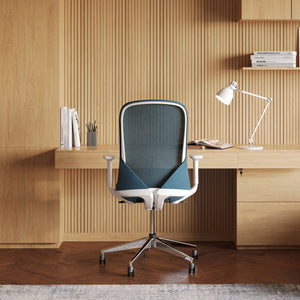
Some people prefer a chair that fits the look of their space while still offering practical comfort. The key is to be honest about the demands of your day. If your work involves long, continuous sitting, prioritize adjustability and support first. If your day includes more movement and shorter seated sessions, a simpler profile can still be comfortable when paired with a smart setup. For reference on what is described for that model, the Muse Chair product page provides the official product information.
Not every chair in a home office is meant to be an all-day task chair. Some are better as a secondary seat for short work blocks, reading, or a guest chair. If you are considering a minimal chair for lighter-duty sitting, check the Seashell Chair product page so expectations match what the chair is designed to be.
Start with seat depth and lumbar placement. Many people unknowingly sit forward of the backrest as they concentrate, losing lumbar contact. Re-seat your hips all the way back, shorten seat depth if possible, then adjust lumbar to beltline level. Add a small recline so the chair carries some load while you work.
If the ache shows up right away, check foot stability. An unstable base often leads to bracing through the low back.
Tailbone pressure often shows up when the pelvis rolls backward and the person sits on the back of the seat rather than on supported sit bones. Try raising the chair slightly, ensuring feet are stable, and adjusting seat depth so you can sit back without pressure behind the knees. If cushioning feels too soft and you sink unevenly, a firmer, supportive seat can feel more stable for some people. The goal is balanced support, not extra softness.
This pattern often points to desk height or arm support. If the desk is too high relative to the chair, shoulders rise to reach the keyboard, and the upper back tightens to stabilize the arms. Lower armrests so shoulders can relax, then check whether you need to raise the chair and add foot support, or adjust the keyboard height.
Also check how far your keyboard and mouse are from your body. Reaching forward pulls the shoulders up and rounds the mid-back.
Yes. Many people twist slightly to reach a mouse, phone, or cable cluster. Small repeated twists add up. Bring your mouse closer, center your keyboard, and clear the space under your desk so your legs can sit evenly. If you regularly snag cables with your feet or chair, that can create a subtle habit of rotating to one side.
It depends on your desk height and chair adjustments. The bigger goal is that your forearms are supported without your shoulders hiking up. If armrests hit the desk and prevent you from getting close, you may reach forward and round your back. In that case, lower the armrests or slide the chair closer so your elbows stay near your sides.
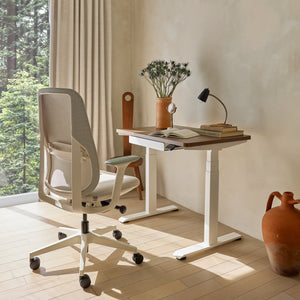
Yes, because it affects how you sit. If the desk design blocks your knees or forces cables into your foot space, you may rotate your body or tuck one leg back. That changes pelvic alignment and can irritate the back over time. A desk that supports a clean reach zone and comfortable leg space makes it easier to maintain a neutral position during real work. When you want to confirm dimensions and under-desk layout, the Office Desk product page is the safest reference for what that desk includes.
It can, especially through the neck and upper back. If you look down for long periods, the upper spine tends to round, and the lower spine often follows. Aim to bring the screen closer to eye level and keep it at a comfortable distance so you are not leaning forward. If you use a laptop, consider lifting it and using an external keyboard and mouse so your shoulders can stay relaxed.
Messy cables rarely cause back pain directly, but they can create a posture environment that encourages twisting, reaching, and uneven leg positions. A clean under-desk area helps keep your feet planted and your chair movement smooth. If you want a dedicated solution that matches that purpose, the Under-Desk Cable Management accessory page shows a simple organizer designed specifically for routing cables out of the way.
The most sustainable break is the one you will actually do. Short resets can be enough to reduce stiffness:
Stand up and take a few slow breaths with your ribs stacked over your pelvis.
Do a gentle hip hinge, then return to standing tall.
Walk to refill water or simply change rooms for a moment.
These are not magic fixes. They are low-effort ways to reduce the “static load” that builds up during long sitting.
Comfort tools are personal and should stay realistic. Some people prefer warmth for muscle tightness, others like a cool pack after a long day. A small lumbar roll can help if your chair lacks lumbar contour, but it should not force an exaggerated curve. If any tool increases discomfort, stop and reassess.
A good chair often feels “fine” immediately, but fit issues show up as you adjust and move. Use a simple test sequence:
1. Sit back fully and check if you can maintain lumbar contact without effort.
2. Check seat depth with a small gap behind the knees.
3. Recline slightly and see if the chair supports you without collapsing your posture.
4. Rest your arms and see if shoulders stay relaxed.
5. Simulate typing posture and confirm your torso is not reaching.
Bring the context, not the stress. Wear shoes you commonly use while working. Think about your typical work posture, such as whether you lean in for detailed tasks or take calls while reclined. If you track where discomfort starts, even roughly, you will evaluate chairs more clearly.
If you want the most accurate information from us about browsing, support, and local logistics, use our office furniture location page as the source of truth. It is the safest place to confirm what we present publicly about the location and how customers typically explore options.
Often, nothing “broke.” Your body adapts, your habits shift, and small adjustments drift. Seat height and lumbar position are the most common settings that quietly change. A monthly reset is usually enough to restore the fit.
They can. A sticky caster can make you twist to move. A recline that feels uneven can make you brace. If you notice squeaks, uneven rolling, or a tilt that suddenly feels too loose or too stiff, address it early so your body does not compensate.
Use a short routine you can repeat anytime:
Sit back fully.
Feet stable.
Shoulders relaxed.
Small recline.
Hands close to the body.
That reset keeps the chair working as support, not as a place you fight against. When chair, desk, and reach zones cooperate, back comfort becomes less about chasing a perfect posture and more about creating a setup that makes good posture easier to return to.


You have unlocked free shipping!
You're saving $29 and unlocked free shipping!
Leave a comment