

























Table Lamp Buying Guide: What to Look For Beyond Just Style
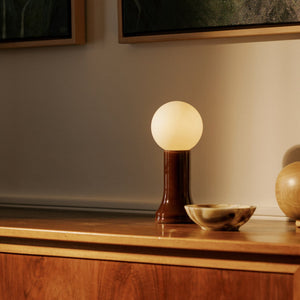
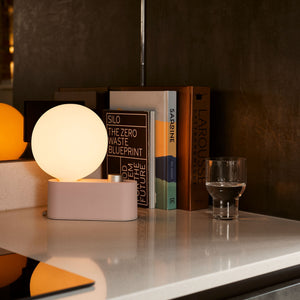
Choosing a table lamp takes more than finding the right style. This buying guide explains how to evaluate lamp height, shade type, brightness...
Learn more
Visit quiz page to see how we makes it easy to create an inspiring workplace


A workspace should fit you, not the other way around. Yet so many of us spend hours working at tables that cause fatigue, stiffness, or even pain. The truth is, the way your desk is designed directly affects how you feel, think, and move.
Ergonomics isn’t about complex adjustments—it’s about creating an environment that feels effortless. From height and posture to texture and layout, a few small changes can make your table work for you. Let’s explore how thoughtful design transforms comfort and productivity.
Ergonomic design prioritizes how humans naturally move and function. The goal is to reduce physical strain, maintain balance, and improve comfort without overcomplicating your workspace.
Keep movement natural, not forced.
Align posture with desk height.
Reduce repetitive strain with proper angles.
Balance comfort and efficiency.
Ergonomics is about small adjustments that lead to big improvements.
The right desk height prevents strain on your shoulders and neck. Too high, and your wrists elevate; too low, and your posture collapses.
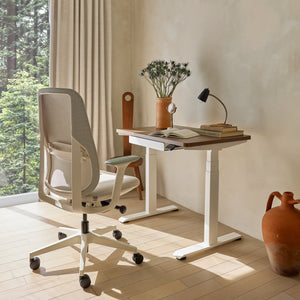
A setup like the Small Standing Desk Michigan offers adjustable options that adapt to your body instead of forcing your body to adapt to it.
|
Your Height |
Ideal Desk Height |
Best Fit |
|
5’0”–5’5” |
26–28 inches |
Compact setup |
|
5’6”–6’0” |
28–30 inches |
Standard table |
|
6’1”–6’4” |
30–32 inches |
Taller models |
|
Adjustable |
Variable |
Shared spaces |
Your desk should support comfort, no matter who’s sitting behind it.
Movement keeps energy levels up and prevents muscle fatigue. Alternating your position throughout the day improves blood flow and focus.
A standing desk promotes flexibility by allowing seamless transitions between postures.
Stand for 15 minutes every hour.
Use gentle stretches between meetings.
Adjust desk height based on your posture.
Keep a small stool nearby for occasional rest.
Motion throughout the day creates a steady rhythm that keeps you alert and focused.
The position of your tools matters just as much as your desk height. An effective layout minimizes unnecessary reaching or twisting.
Keep your monitor at eye level.
Place frequently used items within arm’s reach.
Maintain 20–30 inches of space between your eyes and screen.
Use cable organizers for a clean setup.
Good ergonomics is as much about organization as it is about comfort.
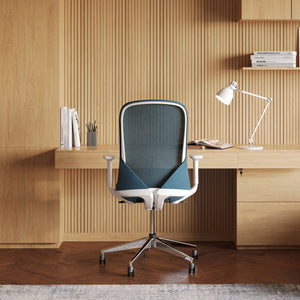
Your chair and desk should function as one. A mismatch can undo all ergonomic benefits. The goal is alignment—hips, knees, and elbows at comfortable angles.
Adjust your chair height to meet the desk surface.
Keep knees at a 90-degree angle.
Ensure lumbar support follows your spine’s curve.
Let feet rest flat or on a small footrest.
The right chair-table combination brings effortless posture throughout your workday.
Poor lighting can make you squint or hunch, affecting your posture and comfort. Proper lighting supports both ergonomics and mood.
|
Type |
Ideal Position |
Purpose |
|
Task lighting |
Beside dominant hand |
Focused visibility |
|
Ambient light |
Around workspace |
Balanced brightness |
|
Natural light |
Side of monitor |
Reduces glare |
Light your workspace intentionally—it’s a simple change with long-term comfort benefits.
According to a workplace furniture study, comfort directly impacts productivity and mood. People working in ergonomic environments report less fatigue and higher focus.
Ergonomic design improves posture awareness.
Comfortable setups reduce burnout.
Adjustable desks promote mindfulness and flexibility.
Design simplicity creates emotional stability.
Comfort isn’t luxury—it’s science-backed support for better work.

Ergonomic setups aren’t one-size-fits-all. Personalization makes your space comfortable for your habits, height, and workflow. A customizable office desk gives you freedom to arrange elements the way your body prefers.
Adjust monitor and keyboard placement for neutral wrists.
Pick materials that feel pleasant to touch.
Keep accessories at balanced heights.
Design around comfort, not appearance alone.
Your desk should adjust to you—not the other way around.
Collaborative environments benefit from ergonomics, too. Shared setups need flexibility, comfort, and a sense of equality. A quad workstation helps maintain posture-friendly design in multi-user spaces.
Include adjustable chairs and surfaces.
Provide equal lighting across all stations.
Keep storage accessible for everyone.
Designate movement-friendly open areas.
Ergonomics unites people through comfort and balance, not uniformity.
Accessories enhance your desk’s ergonomic potential. Items like monitor risers or arm supports add layers of comfort and structure.
A supportive ergonomic arm, for example, helps maintain relaxed shoulders and proper screen alignment.
Keyboard trays to reduce wrist strain.
Footrests for posture support.
Arm supports for balance.
Desk mats to soften surfaces.
These details transform a standard desk into an ergonomic ecosystem.
Materials play a subtle yet important role in ergonomics. A soft, matte finish can reduce visual fatigue, while smooth surfaces make movement easier.
|
Surface Type |
Benefit |
Best Use |
|
Matte wood |
Gentle on wrists |
Desktops |
|
Fabric |
Adds warmth |
Armrests and chairs |
|
Smooth laminate |
Easy to clean |
Multi-use areas |
Comfort starts from what your hands and body feel every day.
A desk that wobbles or shifts during use disrupts focus and posture. Stability creates a sense of physical and mental grounding, helping you maintain steady alignment through the workday.
Choose sturdy materials like solid wood or reinforced steel.
Check that legs or frames have adjustable leveling options.
Keep your tabletop evenly loaded to avoid leaning pressure.
Use anti-slip pads or rugs to secure your workspace setup.
A well-balanced desk keeps your workflow consistent and your body at ease.
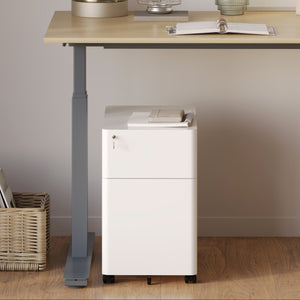
Storage can enhance or interrupt your posture depending on placement. Keeping essentials close reduces strain, while maintaining open leg space promotes healthy sitting and standing movement.
|
Storage Type |
Ideal Placement |
Ergonomic Benefit |
|
Under-desk drawers |
Midline of the body |
Easy reach without twisting |
|
Vertical shelving |
Eye level |
Reduces bending |
|
Side cabinets |
Beside dominant hand |
Balanced motion |
|
Rolling carts |
Movable |
Adapts to layout needs |
Designing storage with intention allows both clarity and mobility—creating an efficient, uncluttered workflow.
Collaboration encourages people to move naturally and change posture. Shared layouts like the quad workstation create ergonomic variety, letting each person adjust their space while staying connected.
Design shared workspaces with adjustable heights.
Use chairs that support multiple postures.
Keep walking zones open and clear.
Alternate between standing and seated discussions.
Ergonomic design isn’t just about sitting correctly—it’s about creating dynamic spaces that support both teamwork and well-being.

A well-designed workspace encourages healthier habits, clarity, and focus. Ergonomics makes your daily rhythm smoother—so your table works with you, not against you.
Adjust your setup regularly.
Keep your workspace tidy and balanced.
Move and stretch throughout the day.
Prioritize comfort as part of performance.
Ergonomics is the quiet design language of care—one that builds lasting well-being through thoughtful simplicity.


You have unlocked free shipping!
You're saving $29 and unlocked free shipping!
Leave a comment