
























Designing a Workspace for Tranquility and Deep Focus

The Urgent Need for Calm
In a world that constantly demands our attention, your workspace should serve as a retreat—a zone of intentional calm where focused work can thrive. A chaotic or poorly designed environment contributes directly to stress, mental fatigue, and reduced clarity. Creating a calm workspace is not about aesthetics alone; it is a fundamental strategy for sustained performance and mental well-being.
The secret lies in the deliberate harmonization of three core elements: light, layout, and furniture. By optimizing these factors, you can actively reduce sensory overload and cultivate an atmosphere of deep concentration. This guide provides actionable steps to transform your work area into a true sanctuary of productivity.
The Science of Serene Spaces
Our brain’s ability to focus is profoundly affected by the stimuli around us. Minimizing visual clutter, optimizing light temperature, and ensuring physical comfort are simple design choices that yield significant cognitive rewards.
This commitment to a stress-reducing environment begins with adaptable furniture, such as a versatile sit-stand desk that encourages natural movement, reducing the physical stiffness that contributes to mental agitation.
The Power of Natural Light and Positioning
Natural light is a powerful regulator of mood, energy, and the body’s circadian rhythm. Optimizing its use is the most effective way to infuse your workspace with calm.
Harnessing Daylight
Position your desk to maximize natural light without causing screen glare. Ideally, the monitor should be perpendicular to the window. This allows you to benefit from the light without directly facing a bright source, which causes eye strain.
-
Boosted Mood: Sunlight exposure increases serotonin levels, promoting positive energy.
-
Circadian Support: Helps regulate sleep patterns, ensuring restorative rest after work.
Strategic Furniture Layout
The arrangement of your furniture—the layout—influences your feeling of security, control, and openness, all of which contribute to a calm state of mind.
The Feeling of Control
Avoid positioning your back directly toward an open door or a high-traffic area. Instead, aim for a clear line of sight to the entrance and a view out into the room or outdoors. This sense of awareness reduces subconscious anxiety.
-
Facing Out: Promotes confidence and engagement with the space.
-
Wall Anchor: Positioning one side of the desk against a wall can create a feeling of stability and enclosure.

Layered Lighting for Ambiance
Relying on harsh overhead fluorescent light is a common mistake that leads to eye strain and headaches. A calm workspace utilizes layered lighting for customizable, soft illumination.
Three Layers of Light
-
Ambient (General) Light: Soft, diffused background lighting for the whole room.
-
Task Light: A focused desk lamp, usually adjustable, to brightly illuminate the immediate work area.
-
Accent Light: Small lamps or floor lights used to highlight artwork or plants, adding subtle, warm ambiance.
The Importance of Curated Color
Color profoundly affects mood and mental state. A calm workspace utilizes a limited, intentional palette to reduce sensory intensity.
Muted and Natural Tones
Choose neutral, earthy, or cool tones for walls and large furniture. Avoid excessive brightness or patterns that compete for visual attention.
Calm Color Palette:
-
Neutrals: Soft off-white, light gray, taupe.
-
Earthy Tones: Sage green, muted blue, warm wood.
Studies on environmental design and psychological well-being repeatedly link these colors to stress reduction and increased feelings of relaxation.
Decluttering and Organization
A clear space is the cornerstone of a calm mind. Visual clutter is a non-stop distraction that prevents deep focus.
The "Empty Surface" Rule
Your primary desk area, whether a simple Office Table or a more complex setup, should only hold the items you are actively using. Everything else belongs in designated storage.
-
Concealed Storage: Utilize cabinets, drawers, and baskets to hide messy items like cables, paper stacks, and office supplies.
Selecting Furniture with Serene Design
Choose furniture with clean, simple lines and materials that evoke stability and quiet quality. Overly complex or visually busy pieces disrupt the feeling of calm.
Form for Tranquility
Opt for solid construction and natural materials like smooth wood or matte metal finishes. The aesthetic should be understated and elegant, turning the surface into a clear stage for your work.
Designing for Shared Calm
In a multi-user environment (whether a shared office or a home setup), creating calm requires furniture that enforces boundaries and reduces cross-contamination of clutter and sound.
Boundaries for Focus
Shared desks must clearly define each person's territory. This prevents one person's chaotic pile from mentally distracting the other.
A sophisticated system like a Two Person Desk often includes dual-sided storage or cable management, ensuring that each individual maintains their own organized, calm domain.
Integrating Biophilic Elements
Bringing nature into the workspace—known as biophilia—has a documented calming effect, reducing stress and improving cognitive function.
A Touch of Green
Integrate small plants like succulents or snake plants. Their organic shapes and colors provide visual relief from sharp digital screens and furniture lines.
Biophilic Element Checklist:
☐ One or two simple, living plants. ☐ Use of natural wood elements in furniture or accessories. ☐ Access to a view of the outdoors, even a small one.
Micro-Sizing for Compact Tranquility
For those with extremely limited space, achieving calm requires highly efficient, minimal-footprint furniture that sacrifices zero functionality.
Function Without Footprint
A compact solution must deliver full ergonomic benefit while maintaining the serene, uncluttered aesthetic.
A specifically engineered unit like the Mini Standing Desk Missouri achieves this by offering essential sit-stand movement and a simple, uncluttered surface, proving that even a tiny space can be a haven of productivity.
The Calm of Adaptable Systems
For larger teams or offices, the ability to instantly adapt the layout to different tasks without generating chaos is a huge source of psychological calm.
Scalable Serenity
Modular systems allow for flexible zoning, easily accommodating periods of heads-down focus or dynamic collaboration, all within a unified, calm aesthetic.
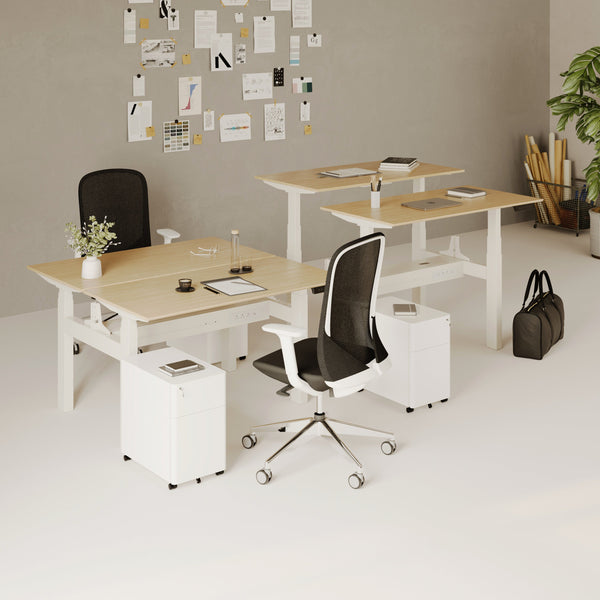
A structured piece like a Four Person Workstation creates defined, organized zones for multiple people, ensuring that even a busy area retains a sense of order and visual consistency.

Your Personal Center of Balance
Creating a calm workspace is a continuous practice, not a one-time event. It is the art of curating your environment to support your best mental self. By strategically balancing natural light, minimizing visual noise, and choosing serene, functional furniture, you build a physical space that mirrors a clear mind. Invest in this tranquility, and you invest directly in your capacity for deep work, creative flow, and sustained well-being.
Related Articles
-
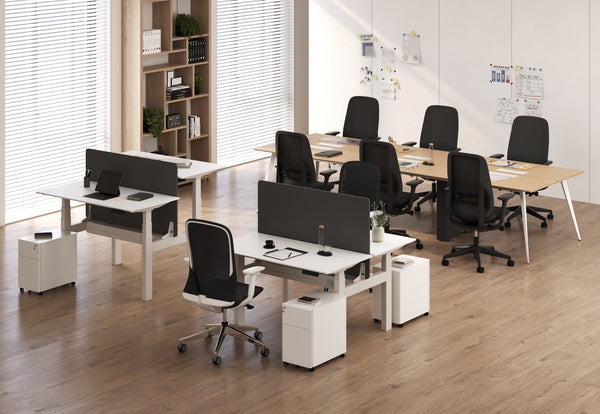 Our Conference Chairs and Meeting Tables Compared, so You Can Furnish a Huddle Room, a Meeting Room, or a Boardroom for Eight in One Order
-
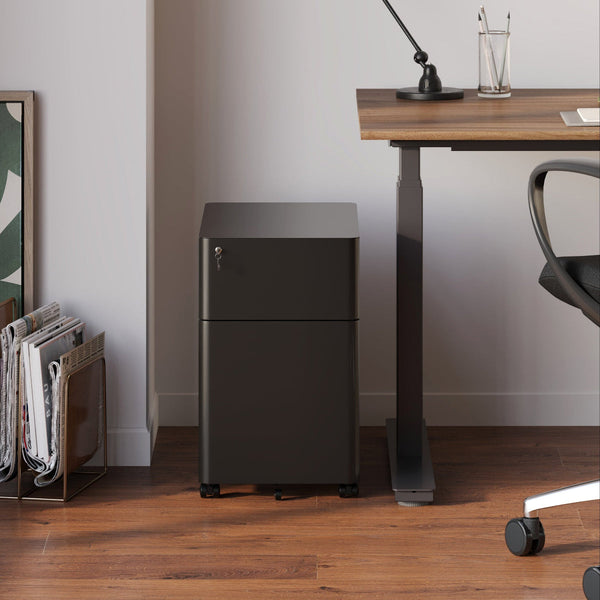 Best Filing Cabinet Options for Minimalist Offices That Still Need Real Storage
-
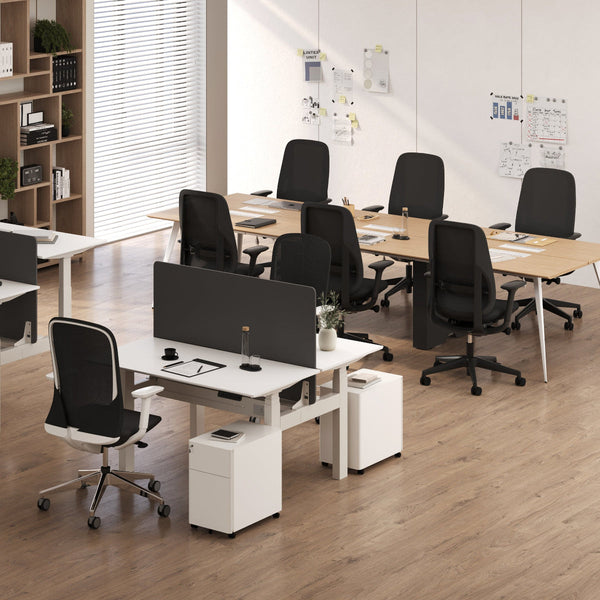 How to Make a Filing Cabinet Feel Like Part of the Room Instead of Extra Furniture
-
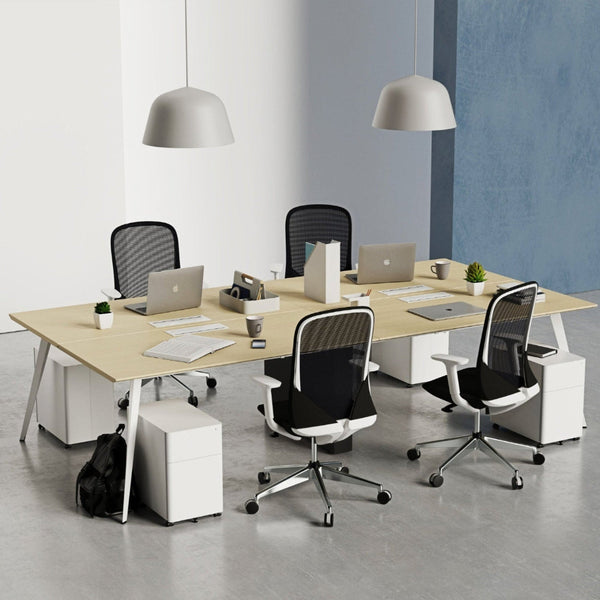 How to Match a Filing Cabinet with Your Desk for a Cleaner Office Look
-
 Best Filing Cabinet Styles for Modern Home Offices That Need Hidden Storage
-
 Best Laptop Stand Options for Minimalist Desk Setups
