



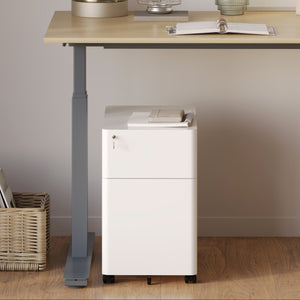






















Filing Cabinet Choices for Cleaner Workstation Planning
Cleaner workstation planning starts with filing storage that matches the desk, document volume, security needs, and daily workflow. Explore how cab...
Learn more
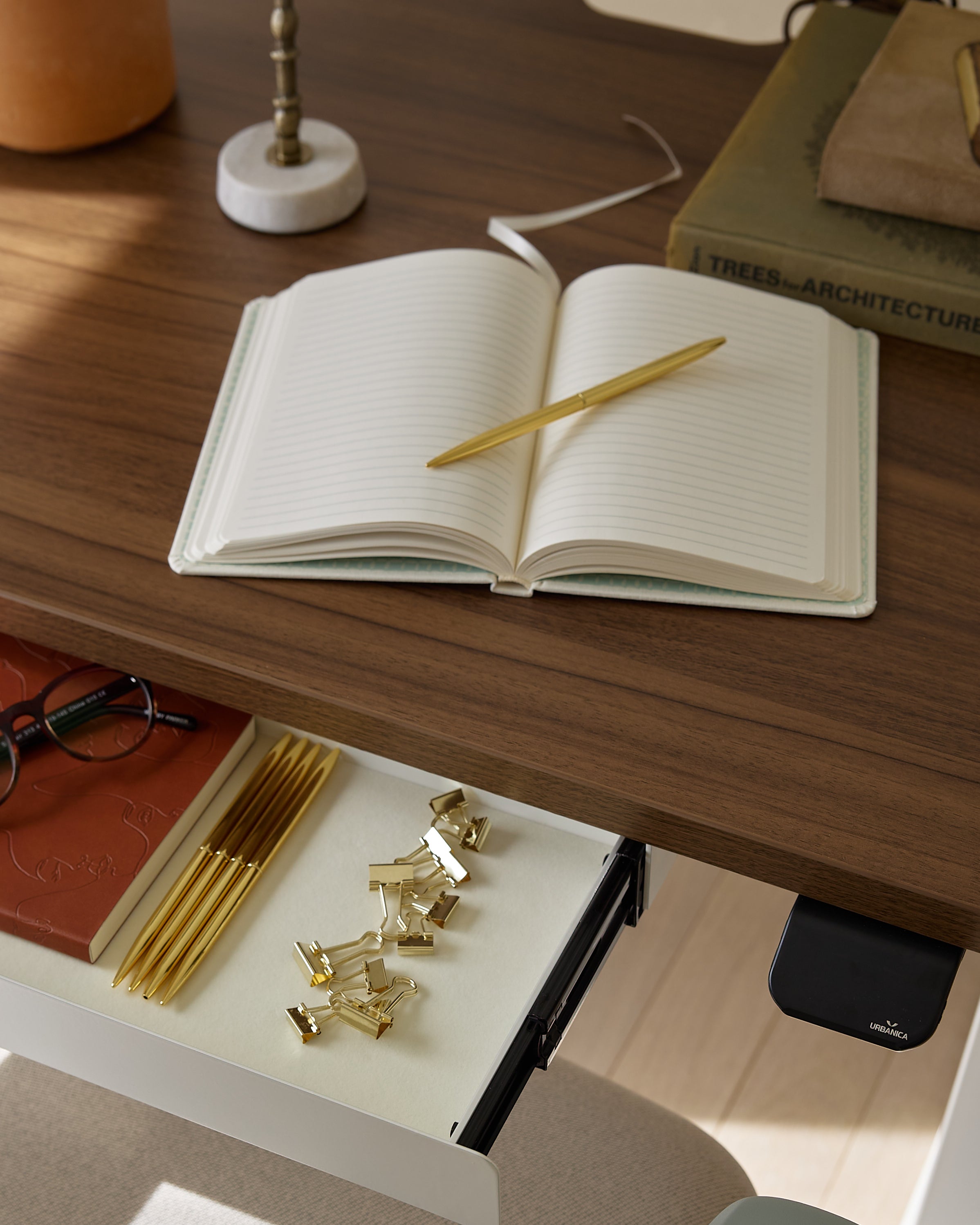
Visit quiz page to see how we makes it easy to create an inspiring workplace


Buying furniture should feel exciting, but it often leads to regret when decisions are rushed or based on appearance alone. Many people focus on price, style, or trends without thinking about how furniture will actually be used day after day. The result is discomfort, clutter, and furniture that needs replacing sooner than expected. This guide breaks down the most common furniture shopping mistakes and explains how to avoid them with practical, realistic choices that support comfort, space, and long-term use.
One of the most common mistakes people make is guessing instead of measuring. Furniture that looks perfect online or in a showroom can feel overwhelming once it is placed at home or in an office. Poor spacing affects movement, balance, and how usable the room feels.
Measuring the room, doorways, and walking paths before buying furniture helps prevent returns and layout frustration. Furniture should support daily movement rather than block it.
Furniture that looks perfect in photos can fail in real life if it doesn’t match your daily routine. A desk that’s too small, a chair that isn’t supportive, or storage that doesn’t fit your habits can quickly turn into frustration. When furniture feels inconvenient, you stop using it properly, and that often leads to replacing it sooner than planned.
Before buying, think about how you’ll actually use the furniture every day. If you work long hours, comfort matters. If your space is small, storage and layout matter. Choosing based on function first helps you avoid buying twice.
Oversized furniture can make a room feel tight and uncomfortable. It also forces you to buy extra items to work around it, like smaller storage pieces or organizers just to manage the lack of space. In the long run, you pay more just to make a bad fit feel usable.
Furniture that’s too small creates its own problems. A desk with limited space often leads to clutter, add-ons, and eventually replacement. A small chair or weak storage piece can wear out faster. The result is spending more over time instead of buying the right size once.
When furniture isn’t comfortable, you don’t just “get used to it.” You adjust constantly, add cushions, buy accessories, or replace the item entirely. Those small fixes add up quickly, especially if the furniture still doesn’t feel right after a few weeks of daily use.
Furniture that wobbles, scratches easily, or breaks under normal use usually ends up being replaced sooner. Even if it seems cheaper at first, poor quality can cost more over time because you’re paying again for something you should’ve bought once.
Furniture that looks good but feels uncomfortable rarely stays satisfying for long.
When furniture lacks proper support, users may experience fatigue, stiffness, or poor posture. Trend-driven designs also change quickly, which can make furniture feel outdated.
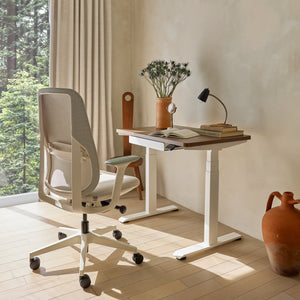
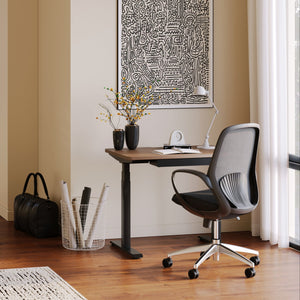
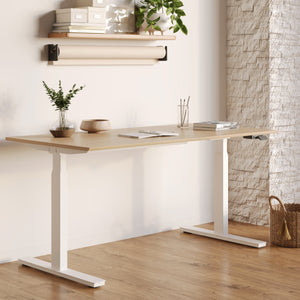
A standing desk offers both visual appeal and functional movement, helping users avoid long periods of sitting while maintaining a clean workspace look.
A desk that is too small feels restrictive, while one that is too large can dominate the room.
Shoppers often forget to consider monitors, accessories, and writing space.
Limited surface space creates clutter
Oversized desks reduce mobility
Poor depth affects screen distance
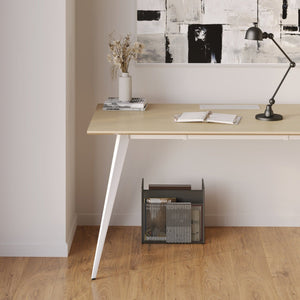
An office desk provides a balanced work surface that supports daily tasks without overwhelming the room.
Furniture decisions are often made emotionally, but research provides useful guidance. Studies such as workspace design research show that poorly designed furniture can affect focus, comfort, and productivity over time.
Taking a few minutes to review credible sources helps buyers make choices that support long-term use rather than short-term appeal.
Arm support is often ignored, even though it plays a key role in posture.
Without proper arm positioning:
Shoulders tense up
Wrists overwork
Neck discomfort increases
Adding ergonomic arm support helps maintain relaxed posture during long work sessions without replacing existing furniture.
Chairs are often chosen based on appearance or price rather than comfort. Seating that does not adapt to the user can cause discomfort that builds gradually.
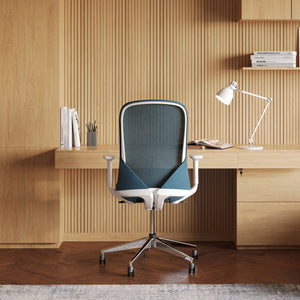
A supportive office chair allows adjustments that fit different body types and sitting habits, making it suitable for longer workdays.
|
Mistake |
Common Result |
Better Choice |
|
Skipping measurements |
Crowded room |
Measure first |
|
Choosing style only |
Discomfort |
Balance form and use |
|
Small desk surface |
Clutter |
Proper desk sizing |
|
No arm support |
Shoulder strain |
Added support |
|
Fixed seating |
Poor posture |
Adjustable chair |
Furniture that encourages movement helps reduce stiffness and discomfort.
Remaining seated for hours affects circulation and focus.
Reduced energy
Increased discomfort
Lower productivity
Adjustable desks and flexible seating help users shift posture naturally throughout the day.
Many furniture mistakes happen because buyers focus only on immediate needs. Furniture should remain useful as routines change.
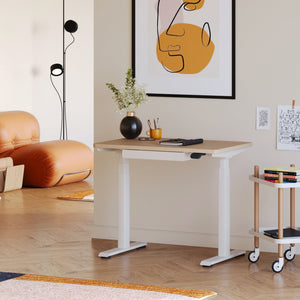
For compact workspaces, Small Standing Desk California supports efficient use of space while allowing posture changes, making it a practical long-term choice.
Furniture shopping becomes easier when mistakes are recognized early.
Before buying, review this checklist:
Is the furniture sized correctly for the room?
Does it support comfort and posture?
Can it adapt to daily routines?
Will it remain useful over time?
Does it reduce clutter rather than add to it?
Avoiding common mistakes leads to furniture that supports comfort, movement, and daily life without constant replacement.


You have unlocked free shipping!
You're saving $29 and unlocked free shipping!
Leave a comment