

























Table Lamp Buying Guide: What to Look For Beyond Just Style
Choosing a table lamp takes more than finding the right style. This buying guide explains how to evaluate lamp height, shade type, brightness...
Learn more
Visit quiz page to see how we makes it easy to create an inspiring workplace


The height of a chair influences how the body stabilizes itself throughout the workday. Subtle shifts in joint positioning, muscle tension and spinal alignment can either support or disrupt sustained mental effort. When the seat height is calibrated correctly, the body requires less unconscious effort to maintain balance and upright posture, which frees cognitive resources for focus-intensive tasks.
A well adjusted chair height positions the spine in a neutral alignment that reduces the tendency to slump or rotate the pelvis. Sitting either too high or too low alters the balance between the hips and lower back, which can lead to strain and mental distraction. When the seat height supports a balanced hip angle, breathing remains more natural and the torso requires less muscular compensation.
Stable foot placement helps the body maintain equilibrium without continuous micro corrections. Feet that rest comfortably on the floor or a supportive surface reinforce balance, which reduces the mental load required to stabilize the torso. This allows attention to remain directed toward work rather than managing small postural adjustments.
When the seat height forces the user to lean forward or stretch upward, small compensations occur throughout the back, shoulders and neck. These adjustments accumulate over time and often result in postural drift. As discomfort increases, the mind becomes more prone to distraction, task switching and reduced clarity.
Guidance from sources such as ergonomic safety guidance from OSHA provides widely accepted principles that help workers maintain healthier seated posture habits. These principles reinforce the idea that well aligned seating height is essential for reducing strain and preserving focus during computer based work.
Setting the correct chair height begins with understanding the unique proportions of the body. Leg length, torso height and natural sitting tendencies all influence what feels supportive. Using these factors as reference points allows individuals to choose a seat height that complements their natural structure and minimizes strain.
Measurements like popliteal height, which reflects the distance from the underside of the thigh to the floor while standing, can help identify a starting range for seat height. Although each user has personal preferences, these measurement based guidelines create a reliable foundation for proper chair setup.
The relationship between desk height and chair height is crucial. If a desk is higher than comfortable elbow level, the user might raise the chair too much, leading to unsupported feet or increased pressure under the thighs. Conversely, a lower desk may cause slouching. Browsing a range of modern desks provides context for how different desk heights influence the seated experience and how individuals may need to adjust their chair height accordingly.
For work environments where the desk cannot be adjusted, the chair becomes the primary tool for alignment. In these cases, footrests or subtle posture changes may be necessary to maintain comfort.
Taller users often require higher chair settings to preserve knee and hip comfort, while shorter users benefit from lower seats that allow both feet to rest firmly on the floor. Individuals in the average height range still benefit from fine tuning adjustments that match personal working style and monitor positioning.
Chairs with adaptable features make it easier to maintain comfort and clarity throughout the day. Height adjustability is one of the most important features, supported by additional mechanisms that help users adapt posture fluidly as tasks change.
Key mechanisms include seat height cylinders, reclining functions that support spinal movement and seat depth adjustments that help distribute pressure. Each function contributes to the stability of the seated position, reinforcing comfort during extended periods of concentration.
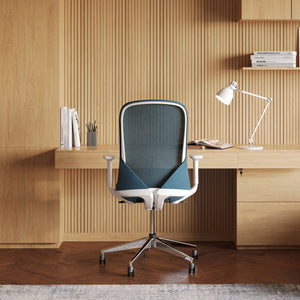
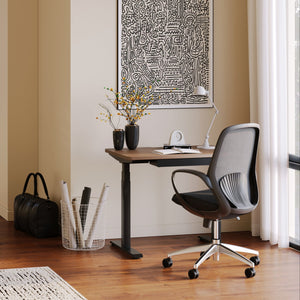
Ergonomic designs provide structured support that helps users maintain consistent posture. The Novo ergonomic chair design exemplifies a seating style built with adjustability in mind, offering features that allow users to tune the height and posture to their bodies. Similarly, the Onyx ergonomic seating style highlights how supportive structure and adjustability help maintain a balanced position that encourages cognitive endurance.
Small posture shifts are natural. Chairs that encourage controlled, comfortable micro movements promote better circulation and reduce stiffness. Over time, this results in a more stable mental rhythm and less fatigue.
Not all desks impose the same ergonomic demands. Understanding how to set chair height based on workspace type can prevent strain and support sustained concentration.
For fixed desks, the primary goal is maintaining a natural arm position that keeps wrists level while typing. The chair height also affects eye alignment with the monitor. Viewing the standard office desk setup can help users visualize how these components interact in a typical workstation.
Sit stand desks introduce a dynamic workflow, requiring the user to recalibrate chair height whenever switching to seated mode. Minor adjustments ensure that posture remains consistent and focus is not disrupted during transitions.
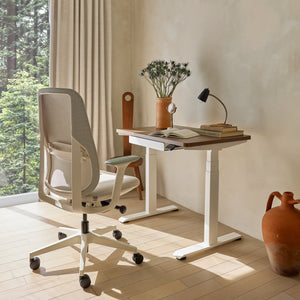
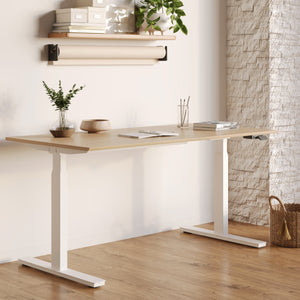
Adjustable height desks allow users to match their chair height with precision. The adjustable standing desk option provides a supportive platform for achieving ergonomic sitting positions without forcing posture compromises.
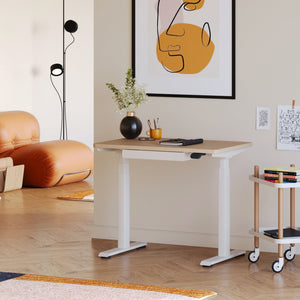
Compact versions of sit stand desks work well in smaller spaces or lighter workflow environments. A compact standing desk model pairs well with a carefully adjusted chair height that maintains comfort despite limited room.
Workstyle plays a large role in determining what chair height settings feel best. Different tasks demand varying levels of posture stability, movement freedom and attention span.
For deep, uninterrupted work, a slightly lower seat height may reduce forward lean tendencies. For tasks requiring frequent interaction or movement, a slightly higher height can support quick transitions without strain.
Chair designs vary in backrest structure, cushion support and overall ergonomics. Exploring a variety of home and office chairs can help individuals find styles suited to their daily routines and preferred seating posture.
Seating height has measurable effects on comfort and cognitive output. Comparing optimal ranges across body types and desk setups offers clarity for fine tuning individual work environments.
| User Height | Recommended Seat Height Range | Best Fit Desk Type | Expected Focus Benefits |
|---|---|---|---|
| Shorter Users | Lower seat height that supports stable foot placement | Fixed or compact desks | Reduced strain and improved comfort |
| Average Height Users | Mid range height with balanced hip alignment | Most desk types | Consistent posture and better concentration |
| Taller Users | Higher seat height with adequate thigh clearance | Adjustable or full size sit stand desks | Reduced slouching and improved stability |
Pressure at the front of the thighs
Difficulty keeping feet grounded
Leaning toward the screen or hunching shoulders
Frequent shifting or repositioning
Neck or upper back tension during work sessions
Compromised breathing rhythm or shallow breathing patterns
As work environments continue to evolve, seating height will remain an essential element of human centered workplace design. Users increasingly expect workspaces to adapt to their bodies and natural movement patterns, encouraging the development of more refined adjustability and ergonomic awareness.
Workers are becoming more attentive to posture quality and the impact of furniture on mental clarity. This trend emphasizes the importance of adjustable seating and desk options that respond to a wide range of body types and work habits.
Chair height mechanisms will continue to move toward smoother, more intuitive adjustment systems that support daily posture variation. Although technology evolves gradually, incremental improvements in adjustability help users maintain comfort and focus without sacrificing simplicity or reliability.


You have unlocked free shipping!
You're saving $29 and unlocked free shipping!
Leave a comment