









Can a Desk Lamp Improve Productivity or Just Improve the Look of a Desk?

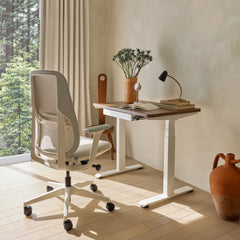
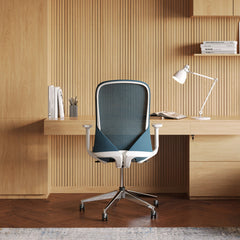
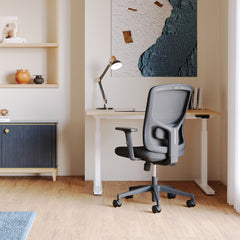
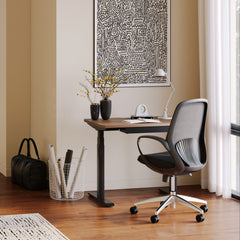
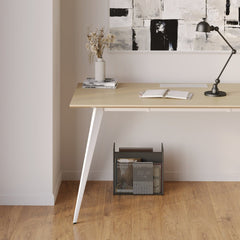
A desk lamp can do more than make a workspace look polished. The right lamp, placed well, can support focus, reduce visual strain, improve task clarity, and make a desk feel more usable throughout the day. The wrong lamp, or even a beautiful lamp used in the wrong way, may only add visual style without changing how effectively the desk supports work.
That distinction matters because productivity is rarely improved by one object alone. A desk lamp becomes useful when it solves a real workspace problem: dim lighting, awkward shadows, harsh screen contrast, cluttered surfaces, or a work area that never feels ready for focused attention. When lighting is treated as part of a complete workstation, it can make reading easier, writing smoother, video calls more comfortable, and daily work less visually tiring.
A lamp chosen only for appearance can still have value. A warmer, softer desk setup can make an office feel calmer and more inviting. But aesthetic improvement and productivity improvement are not the same thing. A lamp earns its place as a productivity tool when it helps the person at the desk see better, move less, think more clearly, and stay with the task longer.
Desk Lamps and Productivity: Useful Light Versus Decorative Glow
A desk lamp improves productivity when it changes the way the desk performs. That usually means it provides focused light where work happens: on a notebook, keyboard, reading material, sketchpad, planner, or document. Productive lighting reduces the small interruptions that happen when the eyes and body keep adjusting to poor visibility.
Decorative glow is different. A lamp can make a desk look refined, warm, and complete while doing very little for actual work. That does not make decorative lighting useless. A workspace that feels pleasant is easier to return to, especially in a home office or shared living area. Still, the core question is whether the lamp improves the function of the desk or only improves its mood.
Why a Lamp Can Influence Work Without Being a Productivity Shortcut
A lamp does not make someone more disciplined, organized, or creative by itself. It will not replace good habits, a comfortable chair, a clear schedule, or a well-planned desk. Its effect is more practical and subtle. Good lighting removes friction.
That friction can look like leaning closer to a page, rereading the same line, shifting the laptop to avoid glare, or stopping work because the desk feels visually uncomfortable. These small moments rarely feel dramatic, but they add up. A properly placed desk lamp can reduce those interruptions by making the active work zone easier to see and easier to use.
A lamp becomes more useful when it sits within a workstation designed around comfort, access, and movement, which is why broader modern workspace furniture and planning options matter as much as the lighting choice itself.
How Light Shapes the Work Zone
Lighting can define where work begins. Turning on a desk lamp can signal a shift from general room activity to focused attention. This is especially useful in home offices, bedrooms, studio apartments, and hybrid workspaces where the desk shares space with everyday life.
That cue does not need to be dramatic. A lamp simply creates a visual boundary. The illuminated area becomes the active zone, while the rest of the room recedes. For people who move between email, reading, note-taking, and planning, this sense of boundary can make the desk feel more intentional.
How Task Lighting Helps Focus at a Desk
Task lighting is designed around the work itself. Instead of lighting the whole room evenly, it directs illumination toward a specific surface or activity. That is why a desk lamp can make such a noticeable difference for reading, writing, reviewing documents, and detail-heavy work.
The key is not only brightness. Productive task lighting depends on direction, position, contrast, and comfort. A bright lamp placed poorly can create glare. A softer lamp placed correctly can be more useful than a harsh one aimed at the wrong surface.
Clearer Visibility Reduces Attention Leaks
Poor visibility creates attention leaks. The mind may be focused, but the body keeps interrupting the work. You adjust your posture, move a paper closer, tilt your screen, shift your chair, or squint at small text. Each adjustment pulls attention away from the task.
Clearer light reduces those interruptions by making the workspace easier to interpret. Documents become easier to scan. Notes become easier to write. Keyboard areas become easier to navigate in the evening. Even a simple planning session can feel smoother when the desk surface is properly lit.
This is where a desk lamp can support productivity in a practical way. It does not force concentration. It makes concentration less difficult to maintain.
A Lamp Can Support Better Posture
Lighting and posture are closely connected. When the work surface is dim, people often lean forward without noticing. The shoulders round, the neck moves toward the page, and the eyes work harder to compensate for the lighting.
A good desk lamp can help reduce that forward lean by bringing light to the task instead of forcing the body toward the work. This is especially helpful for reading printed material, writing by hand, or reviewing detailed notes next to a screen.
Light Direction Matters More Than Maximum Brightness
More light is not always better. The most productive lamp is not necessarily the brightest one. It is the lamp that puts comfortable light in the right place.
A lamp aimed directly at a monitor can create reflections. A lamp positioned behind the user can cast shadows onto the work surface. A lamp with an exposed bulb in the line of sight can cause discomfort. A lamp placed too far away may brighten the desk visually without improving task clarity.
Good direction means the light falls where the eyes need support, without creating glare or harsh contrast.
When a Desk Lamp Only Improves the Look of the Desk
A lamp mostly improves appearance when it is selected for shape, color, material, or mood without considering the work being done at the desk. That may still be a valid choice, particularly when the desk is part of a visible room and needs to feel integrated with the surrounding interior.
A beautiful lamp can soften a workspace, add texture, and make a desk feel more complete. But if the light is too dim, too diffused, poorly positioned, or aimed away from the work surface, it will not do much for productivity.
Decorative Lighting Can Improve Mood Without Improving Output
Mood matters, but it is not the same as task performance. A warmer lamp may make the workspace feel more relaxed. A sculptural lamp may help the desk blend into a living room. A soft glow may make evening work feel less harsh.
Those benefits are real, but they are environmental. The lamp improves how the desk feels, not necessarily how well the desk supports work. That distinction helps prevent unrealistic expectations. A decorative lamp can make the desk more appealing, but productivity depends on whether the lighting supports the specific tasks happening there.
Ambient Glow and Task Lighting Serve Different Purposes
Ambient glow fills the room with a general sense of warmth. Task lighting helps the eyes complete a specific activity. Accent lighting draws attention to an object, material, or corner of the room.
A single desk lamp may do more than one of these things, but it usually has a primary role. A lamp with a soft shade may be excellent for ambiance and visual balance. A more directional lamp may be better for reading or writing. A multi-use lamp may work across several settings, depending on placement.
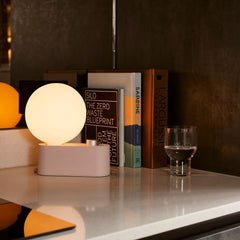
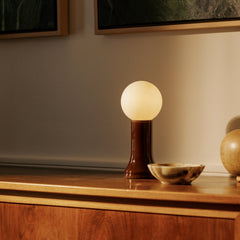
For desks where visual softness matters as much as direct task lighting, a design-led piece such as the Shore recycled glass table lamp can help the workspace feel intentional rather than purely utilitarian.
Desk Lamp Features That Actually Affect Productivity
A productivity-supporting lamp should be judged by how it performs during real work. The most relevant qualities are adjustability, light direction, glare control, surface footprint, and how naturally the lamp fits the desk.
The best choice is not always the most technical-looking lamp. It is the one that supports the way the desk is used every day.
Adjustable Direction Helps Match Light to the Task
Different tasks need light in different places. Reading requires clear illumination across a page. Writing needs light that does not cast a hand shadow. Laptop work may need softer support around the keyboard or notes rather than light aimed at the screen. Creative work may require more precise lighting across a surface.
Adjustability gives the user more control. A lamp that can be angled, shifted, or positioned with intention is more likely to support changing tasks. Fixed lamps can still work well, but they need to be placed carefully so the light naturally lands where it is needed most.
LED Lamps Can Support Consistent Everyday Use
LED lighting is common in modern workspaces because it can provide steady, practical illumination in compact forms. For desk use, consistency matters. A lamp should be easy to use daily, comfortable to work beside, and suitable for the space where it lives.
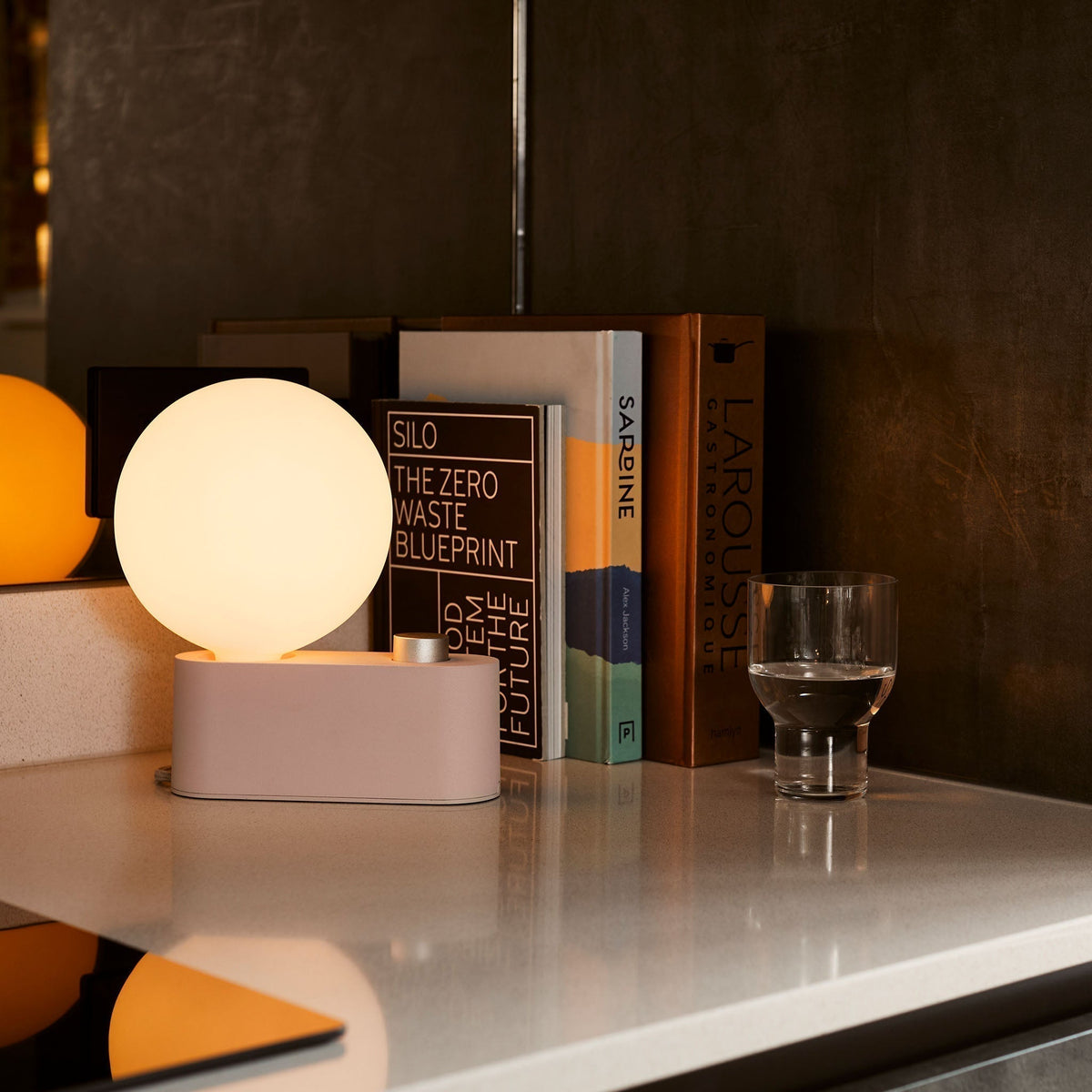
A flexible lighting choice such as the Alumina multi-use LED lamp fits naturally into this conversation because it is positioned as both a table and wall light, making it relevant for desks that need lighting to adapt to the room.
Shade Shape and Diffusion Influence Comfort
The shade or diffuser affects how light spreads. A narrow shade may focus light onto a small area. A wider shade may create a broader glow. A diffused light source may feel softer, while exposed bulbs can feel harsh if they sit within the direct line of sight.
Comfort matters because productivity depends on sustained use. A lamp that looks good for five minutes but creates eye discomfort after an hour is not supporting the desk well.
Glare Can Cancel the Benefit of Better Light
Glare forces the eyes to adjust constantly. It can come from the lamp itself, a glossy desktop, a monitor, glass accessories, or bright contrast between the desk and the surrounding room.
To reduce glare, the light source should usually sit outside the direct line of sight. The beam should land on the work surface rather than bouncing into the eyes. For screen-heavy work, the lamp should support the surrounding task area without reflecting directly off the display.
Desk Lamp Productivity Versus Desk Aesthetics
The same lamp can be productive in one setting and mainly decorative in another. The difference comes from use, placement, and context. A lamp on a writing desk may be essential. The same lamp on a console-style desk used mostly for email may function more as ambiance.
| Desk Lamp Role | Productivity Impact | Visual Impact | Best-Fit Desk Scenario |
|---|---|---|---|
| Adjustable task lamp | High | Medium | Reading, writing, document review, detail work |
| Decorative table lamp | Low to medium | High | Styled home office or visible living-space desk |
| Multi-use LED lamp | Medium to high | Medium to high | Flexible work areas with changing lighting needs |
| Ambient accent lamp | Low to medium | High | Evening work, relaxed planning, softer room mood |
| Poorly placed lamp | Low or negative | Varies | Desks with glare, shadows, crowding, or cable clutter |
How to Tell Whether a Lamp Is Helping
A useful desk lamp should answer practical questions:
1. Does it make reading or writing easier?
2. Does it reduce shadows across the active work area?
3. Does it avoid glare on the screen?
4. Does it make the desk easier to use at different times of day?
5. Does it fit without crowding the surface?
6. Does it support the kind of work done most often?
If the answer is mostly yes, the lamp is contributing to productivity. If the answer is mostly no, the lamp may still be improving the look of the desk, but not the performance of the workspace.
Why Context Decides the Lamp’s Real Value
A lamp’s usefulness depends on the whole setup. Natural light, desk size, wall color, screen position, storage, and power access all affect how the lamp performs. A large lamp on a compact desk can become an obstacle. A small lamp on a deep desk may not reach the active work zone. A lamp placed near messy cables may add to visual clutter rather than reducing friction.
Productive lighting is never just about the lamp. It is about the relationship between the lamp and the desk.
The Desk Setup Around the Lamp Determines Its Usefulness
A desk lamp needs a supportive environment. If the surface is crowded, the cord is in the way, the outlet is difficult to reach, or the laptop screen is poorly positioned, the lamp may become one more object competing for space.
A productive desk works as a system. Light, power, storage, and screen height should all support the same goal: keeping the active work area clear, comfortable, and ready.
Power Access Keeps Lighting From Becoming Clutter
A lamp needs power, but so do laptops, monitors, phones, and other desk tools. When cords stretch across the work surface, the lamp can start to feel inconvenient. Instead of supporting focus, it becomes part of the clutter.
For desks designed around a cleaner work surface, an in-desk power outlet can help keep essential charging access closer to the actual workflow.
Flexible Power Supports Changing Desk Needs
Not every desk is designed for built-in power. Some workspaces are rented, shared, compact, or frequently rearranged. In those situations, flexible access can be more practical than a permanent setup.
A clamp-on power outlet is better suited to setups that need accessible charging without permanently changing the desk.
Screen Height Changes How the Lamp Performs
Laptop height affects lighting more than many people realize. When a laptop sits low, the user often leans forward, and the lamp may need to work around awkward screen angles. This can create shadows, reflections, or a cramped desk posture.
Raising the screen with a slim laptop stand can make it easier to separate screen visibility from surface lighting.
Lighting, Cables, and Screen Position Should Be Planned Together
A lamp works best when it has room to do its job. That means the surface should remain open, the cord should not cross the writing area, and the screen should not fight with the light source. When these pieces are planned together, the desk feels easier to use without needing constant adjustment.
How to Place a Desk Lamp for Better Concentration
Placement is where a desk lamp becomes either helpful or frustrating. A well-placed lamp supports attention quietly. A poorly placed lamp announces itself through glare, shadows, and clutter.
Placement for Writing and Paperwork
For handwriting, the lamp should usually sit opposite the dominant writing hand. A right-handed person often benefits from light coming from the left. A left-handed person often benefits from light coming from the right. This reduces the shadow cast by the hand across the page.
The lamp should be close enough to illuminate the document clearly, but not so close that it creates a harsh spotlight. The goal is comfortable visibility across the active area.
Placement for Screen-Heavy Work
For laptop and monitor use, the lamp should not point directly at the screen. It should support the surrounding work area, such as the keyboard, notebook, planner, or reference documents. The screen should remain free from bright reflections.
Balanced room light also helps. Working with a bright screen in a dark room can increase visual contrast and discomfort. A desk lamp can soften that contrast when placed thoughtfully.
Practical Desk Lamp Placement Checklist
1. Position the lamp opposite your dominant writing hand to reduce shadows.
2. Keep the bulb or light source outside your direct line of sight.
3. Aim light toward the desk surface, not directly at the screen.
4. Keep the lamp close enough to support the active work zone.
5. Avoid glossy surfaces that reflect light back into the eyes.
6. Adjust the lamp as daylight changes throughout the day.
7. Keep cords, papers, and accessories away from the illuminated area.
Matching the Desk Lamp to the Workspace Type
Different workspaces need different lighting strategies. A compact desk, home office, executive workspace, and creative station should not be treated the same way. The lamp should match both the size of the surface and the type of work being done.
Compact Desks Need Light Without Visual Bulk
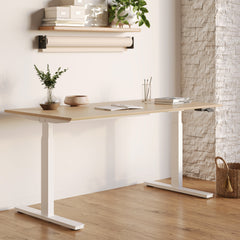
Small desks require discipline. A lamp with a large base or wide shade may reduce usable workspace. In compact setups, a slim profile, vertical design, or wall-capable lamp can preserve surface area while still supporting visibility.
The lamp should not become the largest visual object on the desk unless it is intentionally serving as a focal point. For productivity, the active work area should remain the priority.
Home Offices Need Balance Between Work and Living Space
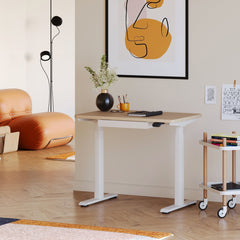
A home office often has to feel professional and comfortable at the same time. The desk may sit in a bedroom, living room, or multipurpose corner. In that context, a lamp can help the workstation feel warmer and more integrated with the room.
The best home office lamp supports actual work while also fitting the surrounding interior. It should not make the room feel harsh, temporary, or overly clinical. A softer visual presence can make the workspace easier to live with, which matters when the desk is always visible.
Shared Offices Need Consistency and Low-Friction Lighting
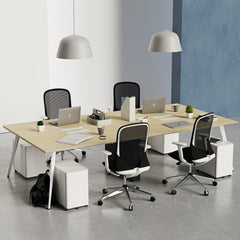
In shared offices, lamps should support focus without creating problems for nearby people. A bright lamp aimed outward can distract others. A lamp with messy cords can make a shared station feel unorganized. A lamp that takes up too much space can interfere with flexible desk use.
Shared workspaces benefit from lighting that is stable, controlled, and easy to keep tidy. The goal is not only personal productivity, but a desk environment that remains comfortable for everyone around it.
Creative Workstations Need More Precise Surface Control
Creative work often depends on detail. Designers, writers, architects, editors, and makers may need lighting that reveals texture, line, contrast, or printed information clearly. For these users, lamp direction and surface coverage become especially important.
A creative workstation may also shift between digital and physical tasks. A lamp that supports both screen-adjacent work and hands-on surface work can be more valuable than one designed only for ambiance.
Why a Desk Lamp Cannot Fix a Cluttered Desk
A lamp can make a clean desk more useful, but it can make a cluttered desk look even more chaotic. Light draws attention. If the illuminated area is filled with loose papers, tangled cords, unused accessories, and old mugs, the lamp highlights the mess rather than supporting the work.
Productivity depends on preserving an active work zone. That zone should hold the current task, not every task waiting to be handled.
Light Should Fall on Work, Not Visual Noise
Visual clutter competes for attention. Even when a person is trying to focus, the eyes register scattered objects nearby. A lamp can intensify that effect by making the clutter more visible.
A clear surface allows lighting to do what it is supposed to do. It illuminates the work at hand and helps the desk feel ready. When everything on the surface has a role, the lamp supports clarity rather than chaos.
Storage Protects the Active Work Surface
Storage is not separate from lighting. It affects whether the lamp has a clean surface to illuminate. Paperwork, supplies, and accessories need somewhere to go when they are not part of the current task.
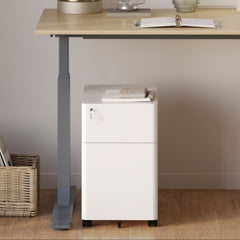
When papers and supplies start competing with the lamp for space, a lockable file storage cabinet can help move visual clutter off the desk while keeping work materials accessible.
A Clear Desk Makes Lighting Feel More Intentional
A lamp on a clear desk feels purposeful. A lamp on a crowded desk can feel like one more item. The difference is not only visual. Clear space reduces decisions. The user does not have to move objects before beginning work, untangle cords before charging a device, or search for notes under unrelated papers.
Good lighting and good organization reinforce each other. One improves visibility. The other protects attention.
Choosing a Desk Lamp That Deserves Space on the Desk
A desk lamp should earn the space it occupies. Before choosing one, it helps to identify the primary work the desk supports. A lamp for reading and handwritten notes may need a different shape than a lamp for a laptop station. A lamp for an open office may need a different presence than a lamp for a home office corner.
Start With the Work You Actually Do
The best desk lamp is the one that supports real behavior, not idealized behavior. Consider what happens at the desk most often:
-
Reading printed material
-
Writing notes or planning by hand
-
Working mainly on a laptop
-
Reviewing documents beside a monitor
-
Joining video calls
-
Doing creative or detail-focused work
-
Handling evening administrative tasks
Each use case changes what the lamp needs to do. A lamp for reading should provide dependable surface light. A lamp for video calls may need to help balance the face and surrounding environment without glare. A lamp for laptop work should avoid screen reflections while keeping nearby materials visible.
Match the Lamp’s Footprint to the Desk Surface
A lamp should not overwhelm the desk. The base, height, reach, and cord path all affect how usable the surface remains. On a small desk, every object has to justify itself. On a larger desk, the challenge is often reach and placement rather than space.
A lamp that is too short may not cast light far enough. A lamp that is too tall may feel visually dominant. A lamp with a broad base may interfere with writing or mouse movement. A lamp with a poorly placed cord may interrupt the clean line of the work surface.
Choose Form Without Ignoring Function
A good desk lamp can be attractive and functional. There is no need to choose between productivity and style if the lamp supports the work. The problem comes from choosing appearance first and hoping productivity follows.
A thoughtful lamp should answer both sides of the title’s question. It should improve how the desk looks, but also how the desk works. It should feel appropriate to the room while still providing useful light. It should add character without taking over the surface.
The Best Lamp Reduces Friction
A productive desk lamp should be easy to use, easy to place, and easy to live with. It should not require constant repositioning. It should not create glare. It should not crowd the task area. It should not make cables harder to manage.
The most valuable lamp is often the one you barely think about once work begins. It simply makes the desk clearer, calmer, and more usable.
A Productive Desk Lamp Supports the Whole Work Rhythm
A desk lamp can improve productivity, but only when it plays a functional role. It needs to support visibility, comfort, task flow, and the physical layout of the desk. When it does those things well, it can help reduce small distractions and make focused work easier to sustain.
A lamp chosen only for its look may still improve the desk. It can add warmth, balance, texture, and personality. That matters, especially in workspaces that need to feel inviting. But appearance alone does not guarantee better focus.
The strongest desk setups treat lighting as part of a larger work rhythm. The lamp supports the surface. Power access keeps tools usable. Screen height protects posture. Storage keeps visual clutter away. Together, these elements create a workspace that feels ready before work begins.
A desk lamp is most valuable when it does both jobs honestly: it improves the look of the desk while helping the desk function better. That is where lighting becomes more than decoration. It becomes a quiet part of a workspace that supports attention, comfort, and steady daily use.
Related Articles
-
 Our Conference Chairs and Meeting Tables Compared, so You Can Furnish a Huddle Room, a Meeting Room, or a Boardroom for Eight in One Order
-
 This Is How To Build A Small Home Office You Actually Want To Work From, And How To Pick Desks For Small Spaces - Urbanica Furniture's Full Guide
-
 Best Setup for Laptop and 2 Monitors With Less Neck Strain
-
 Round Meeting Table Ideas That Make Team Talks Smoother
-
 Can a Laptop Stand Improve Focus, Desk Space, and Typing Position?
-
 Why Midday Fatigue Starts Where You Sit


