



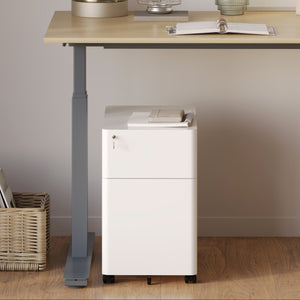






















Filing Cabinet Choices for Cleaner Workstation Planning
Cleaner workstation planning starts with filing storage that matches the desk, document volume, security needs, and daily workflow. Explore how cab...
Learn more
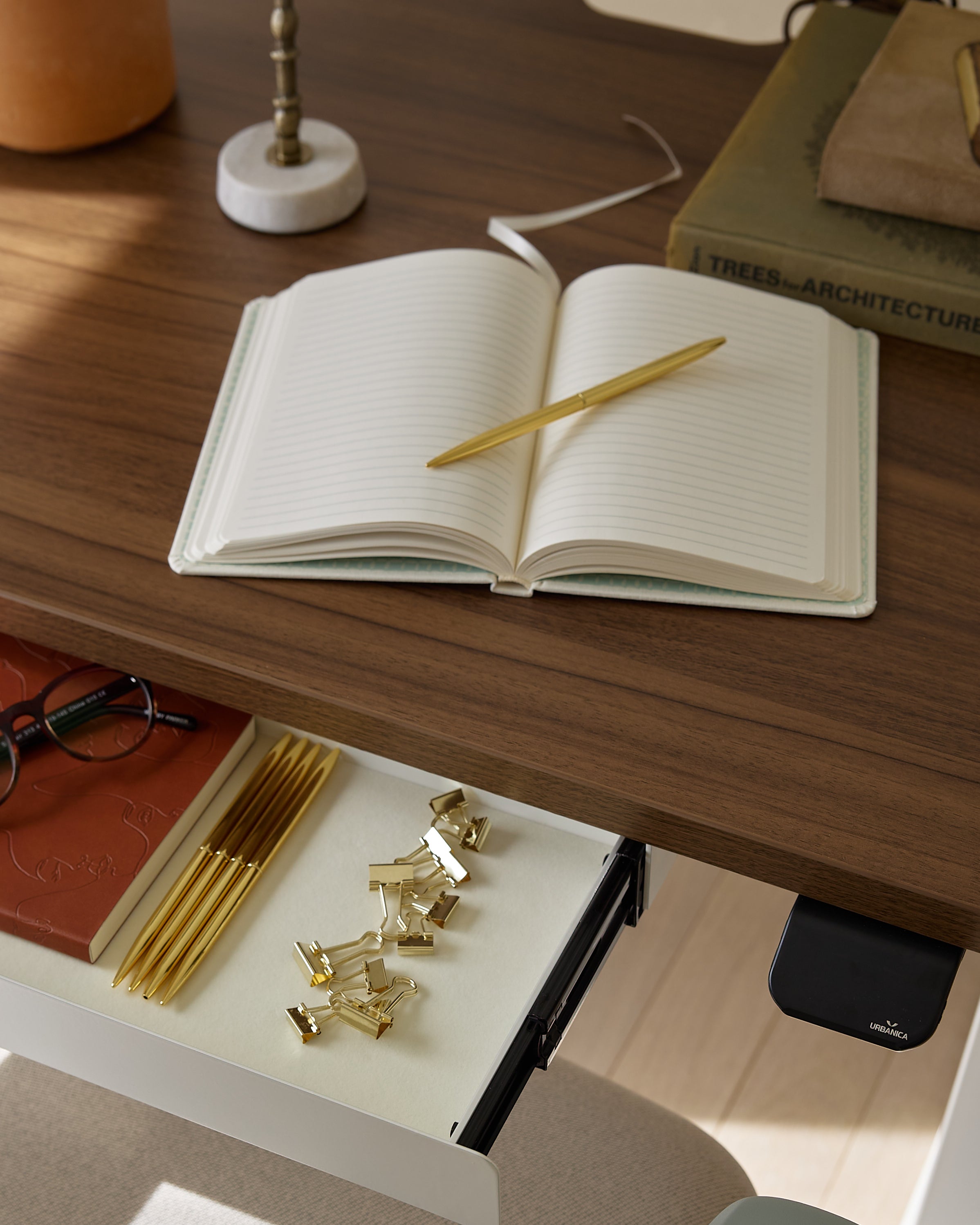
Visit quiz page to see how we makes it easy to create an inspiring workplace


A clean desktop is more than visual appeal—it’s the foundation of clear thinking. When your workspace feels open and organized, your mind follows. From minimalist setups to ergonomic details, your desk should do more than hold your tools; it should help you stay grounded and creative all day.
Below, you’ll find simple yet thoughtful design ideas that bring calm and order to your everyday workspace.
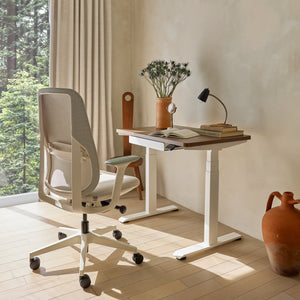
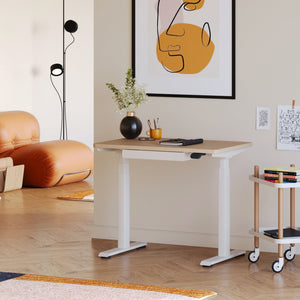
A cluttered desk is a cluttered mind. Keeping your surface clear allows ideas to breathe. The Small Standing Desk Arkansas offers the balance between practicality and minimalism—compact, efficient, and designed to keep essentials close without crowding your space.
Keep only daily-use items visible.
Store cables neatly underneath.
Use trays or organizers for small items.
Leave open space for note-taking or sketching.
A desk that breathes helps your work flow effortlessly.
Color shapes how your workspace feels. Light neutrals and soft earth tones reduce tension, while a pop of accent color adds energy without distraction.
|
Color |
Effect |
Best Use |
|
White |
Pure and open |
Base surface |
|
Beige |
Warm focus |
Accessories |
|
Gray |
Balance |
Monitors and equipment |
|
Soft blue |
Calm clarity |
Wall backdrop |
Consistency in tone keeps the eyes and mind relaxed.
Proper lighting minimizes fatigue and boosts energy. Place your desk near a natural light source when possible, or mimic daylight with warm LED lamps.
Layer ambient and task lighting.
Avoid shadows directly across your workspace.
Use warm tones between 2700–3000K.
Add a soft desk lamp for evening work.
Light that feels gentle supports longer, calmer focus.
Storage should simplify your workflow, not complicate it. The best setups keep what you need accessible but invisible when not in use.
Drawer organizers for writing tools.
Vertical shelving for small décor.
Under-desk cable trays for wires.
Hidden compartments for tech accessories.
A clean workspace hides its function well—it looks simple but works efficiently.
Minimalism isn’t about removing everything—it’s about keeping only what adds value. A simple standing desk setup offers space efficiency while promoting posture and clarity.
Choose quality over quantity.
Stick to one dominant material.
Limit color to two main tones.
Use symmetry for visual peace.
Your desk should reflect focus, not excess.
Accessories are best when they serve purpose and style. Select items that integrate naturally into your space without feeling crowded.
|
Accessory |
Function |
Aesthetic Benefit |
|
Wooden tray |
Organizes essentials |
Adds warmth |
|
Matte lamp |
Light source |
Reduces glare |
|
Wireless charger |
Tech convenience |
Keeps desk cable-free |
|
Planter |
Refreshes air |
Adds a natural touch |
Functionality can still be beautiful—each item should earn its space.

Comfort sustains productivity. A modern office desk with adjustable height and an ergonomic layout helps you work smarter, not harder.
Keep the monitor at eye level.
Maintain a 90-degree elbow bend.
Adjust chair height for natural posture.
Ensure feet rest flat or on a footrest.
When form follows comfort, your focus lasts longer.
Wood, matte finishes, and soft textiles add warmth and depth to modern workspaces. Avoid overly glossy materials—they can cause distraction and glare.
|
Material |
Texture |
Effect |
|
Natural wood |
Grainy warmth |
Organic balance |
|
Matte metal |
Smooth and sturdy |
Modern appeal |
|
Felt |
Soft finish |
Adds calm touch |
|
Linen |
Airy texture |
Visual softness |
Texture defines mood—subtle contrasts keep the space inviting.
A furniture study found that visual order enhances concentration and decision-making. Clean, organized spaces reduce cognitive load, allowing your brain to process efficiently.
Simple visuals reduce fatigue.
Fewer objects lead to better task performance.
Symmetry calms the nervous system.
Natural light and neutral tones increase focus.
Clean spaces support sharper thinking—it’s science-backed clarity.
Plants make sterile desks come alive. A touch of green adds balance and freshness, reminding you to take mindful breaks.
Snake plant: low maintenance and clean look.
ZZ plant: compact with natural shine.
Pothos: trailing for organic movement.
Mini cactus: small but visually grounding.
Nature refreshes your focus and supports calm.
Modern workspaces rely on technology, but cables and clutter break visual flow. Use minimal tech setups to keep your desktop balanced.
Use clips to group cords together.
Route cables under the desk.
Choose wireless devices when possible.
Label cords for easy access.
A visually clear setup builds digital calm.
Stillness can cause fatigue—movement keeps both energy and creativity alive. A flexible layout supports posture and prevents stiffness.
The right ergonomic arm accessory adds comfort by aligning support with your natural motion.
Alternate between sitting and standing.
Stretch every hour.
Keep pathways unobstructed.
Choose chairs that swivel for fluid movement.
Movement is part of design—it turns the workspace into a tool for well-being.
Clean design doesn’t mean losing personality. Use subtle elements to reflect who you are without breaking visual harmony.
Display one art piece or photo.
Use soft-colored stationery.
Add texture through a linen mat.
Keep décor meaningful, not many.
Personality looks better when it’s intentional.
Noise can easily disrupt focus. A workspace designed for quiet supports steady thinking and balance.
Use fabric panels or soft curtains.
Add rugs to absorb sound.
Play neutral background music or ambient sound.
Keep mechanical noise to a minimum.
A silent workspace is a strong workspace.
End each workday with a reset. Keeping your space clean is part of maintaining mental clarity.
|
Step |
Action |
Benefit |
|
1 |
Clear desktop items |
Mental closure |
|
2 |
Wipe surfaces |
Hygiene and clarity |
|
3 |
Organize cables |
Start next day fresh |
|
4 |
Set light temperature |
Relaxation mode |
A clean start begins with a clean end.

The art of a clean desktop lies in intention. Every object, every space, every bit of light has a purpose—to make room for your thoughts.
Keep what helps; remove what distracts.
Align comfort with simplicity.
Let your workspace mirror your state of mind.
Focus grows where clutter ends.
A clear workspace isn’t about emptiness—it’s about energy that flows freely.


You have unlocked free shipping!
You're saving $29 and unlocked free shipping!
Leave a comment