



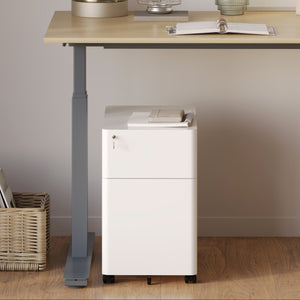






















Filing Cabinet Choices for Cleaner Workstation Planning
Cleaner workstation planning starts with filing storage that matches the desk, document volume, security needs, and daily workflow. Explore how cab...
Learn more
Visit quiz page to see how we makes it easy to create an inspiring workplace


The shift to hybrid work—mixing time at home and in the office—offers amazing flexibility but demands a truly functional workspace. You need a setup that makes transitions easy, keeps you focused, and feels comfortable whether you’re on a quick video call or diving into deep work. This isn't just about furniture; it's about designing a seamless experience to support maximum efficiency and minimum stress.
Creating a workspace that adapts to both your professional and personal needs helps maintain productivity while reducing stress. Whether you’re designing a home office or reorganizing your workplace for hybrid work, harmony begins with thoughtful design and smart furniture choices.
Hybrid work demands adaptability. The best setup supports focus during deep work sessions and comfort during virtual meetings.
The challenge is creating a seamless experience between both environments. Your workspace should promote structure without feeling rigid. It should also allow relaxation without becoming too casual.
Encourages movement and posture variation
Maintains productivity across different work modes
Reduces mental fatigue and distractions
Reflects both professionalism and personal comfort
Your desk is the foundation of your hybrid workspace. It defines how you sit, move, and interact with your environment.
A good desk supports both focus and flexibility. Look for one that accommodates multiple devices, encourages good posture, and offers enough space for organization.
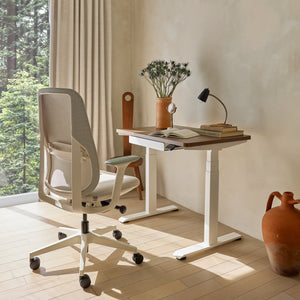
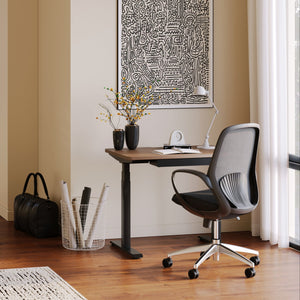
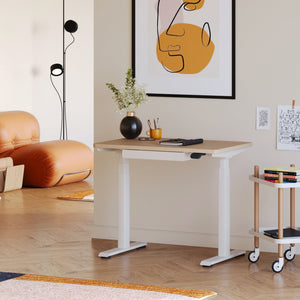
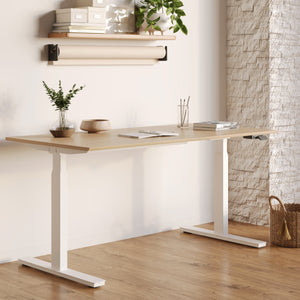
An ergonomic standing desk can be your most valuable investment. It allows you to switch between sitting and standing throughout the day, improving circulation and energy levels. Adjustable surfaces keep your workspace dynamic and prevent the stiffness that often comes with long hours of sitting.
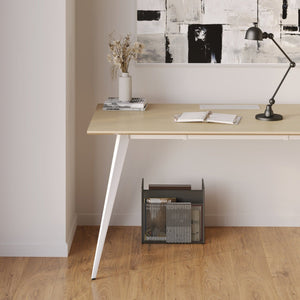
A well-designed table helps bridge the gap between style and function. It should adapt to your workflow while complementing the look of your home or office.
Investing in an Office Table Minnesota means bringing craftsmanship, comfort, and purpose together. A sturdy, beautifully designed table enhances focus, while high-quality materials provide stability and longevity.
Smooth finishes for comfort during long work sessions
Ample legroom for freedom of movement
Built-in storage or cable organization options
Compact sizes for smaller spaces
Your table should serve as a creative anchor—something that supports your goals and helps you transition smoothly between office and home work modes.
The chair you use every day influences your health and performance. In hybrid work, comfort is non-negotiable.
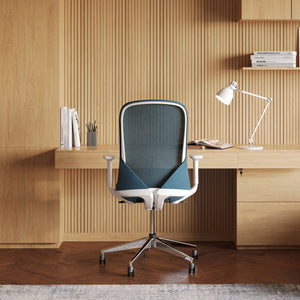
A proper chair should support your spine’s natural curve and keep you comfortable during long meetings or focused projects.
Look for adjustable features such as:
Lumbar support to maintain healthy posture
Adjustable height for proper alignment with your desk
Breathable material for long-lasting comfort
Tilt and swivel functions for mobility
Pairing your desk with an ergonomic office setup ensures your workspace promotes both posture and productivity.

A harmonious hybrid workspace is about more than furniture—it’s about how the environment supports focus.
Position your desk near a window for natural light
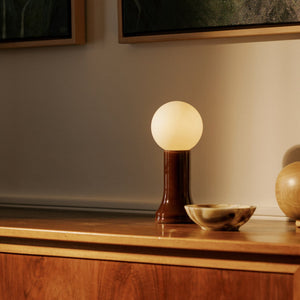
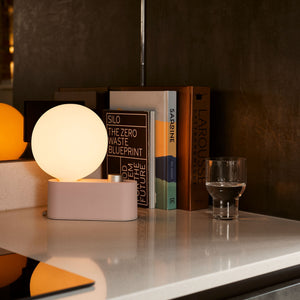
Add a warm-toned desk lamp for balance
Avoid harsh overhead lighting that strains your eyes
Background noise can be distracting. Use soft rugs, wall art, or fabric dividers to absorb sound. Natural scents or small plants can help refresh your workspace and reset your focus.
Workplace design influences both physical health and mental well-being. Research shows that environments with ergonomic layouts and balanced lighting improve concentration and lower stress.
According to a study on work environment design, adjusting seating, screen positioning, and desk height significantly improves comfort and productivity. These findings highlight that a supportive workspace is an investment in long-term performance.
Keep screens at eye level to prevent neck strain
Maintain at least 18 inches between your monitor and eyes
Use supportive flooring if you stand for extended periods
Schedule posture breaks every hour
Your setup should evolve with your needs—always adjusting to support your workflow rather than restrict it.
A stagnant work setup limits focus. Incorporating movement into your workspace keeps you physically and mentally active.
Alternate between sitting and standing positions
Stretch regularly to prevent fatigue
Create zones for different activities—deep work, calls, breaks
Movement stimulates energy and helps prevent burnout. It also boosts creativity and problem-solving by promoting circulation and oxygen flow.
A cluttered desk can quietly drain focus. Keeping your workspace organized helps you stay on task and think clearly.
Use trays, shelves, and storage boxes to separate tasks
Keep only essential items on your desk
Digitize documents to reduce paper piles
Label cords and cables for easy management
An organized workspace encourages consistency. When everything has its place, your environment becomes an ally in focus and calm.
Sustainability is becoming a cornerstone of modern design. Thoughtful furniture choices can reduce your carbon footprint and create a healthier workspace.
Select furniture crafted from responsibly sourced wood and recyclable materials. Durability ensures fewer replacements and less waste.
According to a study on sustainable office furniture, well-crafted pieces made from long-lasting materials reduce environmental impact while enhancing workplace aesthetics. Hybrid work harmony means respecting both your productivity and the planet.
Hybrid work success depends on how smoothly you move between environments. The goal is to make both spaces feel connected yet distinct.
Use similar décor tones across both spaces for continuity
Set boundaries between personal and professional zones
Keep digital tools synced to minimize disruption
When both your home and office environments feel aligned, transitions become effortless. Your mind recognizes cues that help you shift focus without friction.

A workspace that supports both structure and ease doesn’t happen by accident—it’s built through thoughtful choices.
When your desk height feels natural, your lighting complements your mood, and your chair supports your posture, work feels easier.
Every element, from your table to your organization system, shapes how you think and perform. With the right foundation, your workspace becomes more than a place to work—it becomes a space to thrive.


You have unlocked free shipping!
You're saving $29 and unlocked free shipping!
Leave a comment