















Skip to content
For Teams
We sell direct. You save big. Premium Ergonomic Office Furniture| Free Shipping on Orders $65+
FAQ
need to know

Useful articles

Best Filing Cabinet Styles for Modern Home Offices That Need Hidden Storage

Best Filing Cabinet Styles for Modern Home Offices That Need Hidden Storage

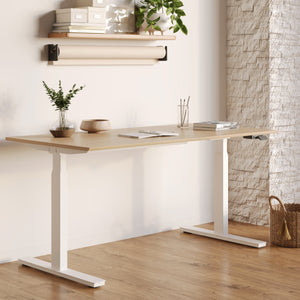
Collaborative two-person standing workspace desk

Modern home offices have to work harder than traditional office rooms. A desk may sit in a bedroom corner, a living room wall may double as a work zone, or a spare room may need to function as both a guest space and a full-time office. In these settings, visible clutter has nowhere to hide. Paperwork, chargers, receipts, notebooks, manuals, tax records, and client documents can quickly make a carefully styled room feel unfinished.

The best filing cabinet styles for modern home offices solve that problem without making the space look like a corporate workstation. Hidden storage should protect important documents, support daily workflow, and visually blend with the rest of the room. A well-chosen cabinet creates order without demanding attention. It gives every paper, cable, and office supply a defined place while allowing the office to feel calm, intentional, and connected to the home.

The right choice depends on how much storage is needed, where the office sits, how often files are accessed, and whether the cabinet is visible from other living areas. A small under-desk cabinet may be ideal for a minimalist setup, while a lateral cabinet or credenza-style piece may work better in a room where storage needs to look like furniture. For workspaces that need a clean foundation, a compact filing cabinet for secure storage can support organization without adding unnecessary visual weight.

Why Hidden Storage Matters in a Modern Home Office

Home Offices Are Often Part of the Home, Not Separate From It

Many modern workspaces are not enclosed rooms with doors. They are integrated into bedrooms, dining areas, living rooms, hallways, lofts, or multipurpose rooms. That makes storage more visible and more important. A stack of documents may be acceptable in a private office, but the same stack feels disruptive beside a sofa, bed, or dining table.

Hidden storage helps the workspace belong to the home. Filing cabinets with clean lines, balanced proportions, and subtle finishes keep work materials available without turning the room into a paperwork zone. This is especially useful when a home office must remain presentable after work hours.

Modern Filing Cabinets Store More Than Paper

The role of filing cabinets has expanded. While traditional file storage still matters, many home offices now need room for hybrid work essentials. A cabinet may store contracts, passports, receipts, insurance documents, notebooks, power adapters, hard drives, headphones, stationery, folders, and small tech accessories.

That range of storage means the best filing cabinet is not always the biggest one. It is the one that matches real work habits. A person who mostly works digitally may only need two drawers for essential records. Someone managing client paperwork, business documents, or household administration may need deeper drawers, locks, or multiple categories.

Closed Storage Creates Visual Calm

Open shelving can look beautiful when it holds books, ceramics, or curated decor. It is less effective for mismatched folders, envelopes, cables, printer paper, and loose office supplies. Closed drawers hide the irregular shapes that make office clutter feel busy.

A filing cabinet creates a boundary between work and home. Once documents are filed away, the desktop can stay clear and the room can return to a more relaxed visual state. That is the central value of hidden storage in a modern office: it keeps function close while reducing visual noise.

Low-Profile Filing Cabinets for Minimalist Workstations

Why Under-Desk Storage Works in Small Rooms

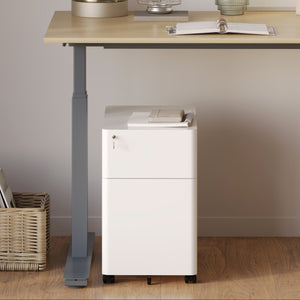
Low-profile filing cabinets are one of the most practical styles for compact home offices. They sit beneath or beside a desk, keeping important documents within reach while preserving the rest of the room. This style works especially well in apartments, bedrooms, and shared spaces where every piece of furniture needs to earn its place.

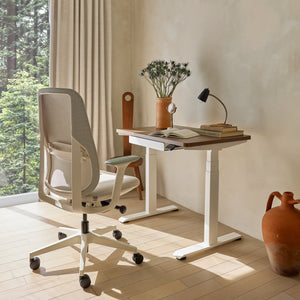
The biggest advantage is proximity. Files used every day should not be stored across the room or inside a closet that becomes inconvenient to access. A low cabinet keeps active paperwork close without requiring stacks on the desktop. When paired with adjustable desks for home offices, this setup can support a flexible workstation that feels organized rather than crowded.

Best Uses for Compact Filing Cabinets

Low cabinets are ideal for documents and supplies that need regular access but should not stay visible. They work well for current projects, invoices, receipts, notebooks, office tools, and personal records. In a small space, one well-organized cabinet can replace several loose bins or boxes.

A compact filing cabinet also helps define the office zone. Even when the desk is simple, the cabinet signals that the area has a storage system. That matters in a home office because visual intention often makes a small workspace feel more permanent and polished.

Practical Items to Store in a Low Cabinet

A low-profile cabinet can hold active project folders, personal documents, office supplies, charger pouches, printer paper, work notebooks, reference materials, and everyday admin files. The key is to avoid treating it as a catchall. Hidden storage still needs structure, or it eventually becomes hidden clutter.

Styling a Low Cabinet Without Adding Visual Weight

A low filing cabinet should feel quiet. Match its finish to the desk, nearby shelving, or other room accents where possible. If the cabinet sits beside the desk, keep the top clear or use one intentional object such as a tray, small plant, or lamp. Too many objects on top can make the cabinet look like overflow storage instead of part of the design.

Mobile Pedestal Cabinets for Flexible Work Zones

Movable Storage for Rooms With Multiple Purposes

Mobile pedestal cabinets are useful when the office setup changes throughout the week. A person may work at a desk most days, move to a dining table for larger projects, or roll storage into a closet when guests arrive. A movable cabinet supports that flexibility without committing the room to a permanent office layout.

This style is especially helpful for renters, shared households, and multipurpose rooms. Instead of installing built-ins or buying heavy storage, a mobile cabinet provides document control that can move with the workflow.

Daily Files Can Stay Close and Then Disappear

A mobile cabinet is strongest when it holds active files rather than long-term archives. It can sit beside the desk during focused work, move near a printer during admin tasks, or tuck away at the end of the day. This makes it useful for hybrid workers who need reliable storage but do not want their home to look like an office at all times.

The design consideration is stability. A movable cabinet should still feel intentional, not temporary. Clean surfaces, simple finishes, and careful placement help it blend into the office instead of looking like an extra utility cart.

Vertical Filing Cabinets for Tall, Narrow Storage

When Height Is More Valuable Than Floor Space

Vertical filing cabinets remain useful because they make the most of limited square footage. They build upward rather than outward, which suits narrow rooms, corners, converted closets, and small guest room offices. For paper-heavy work, vertical storage can provide meaningful capacity without taking over an entire wall.

The modern version of a vertical cabinet should feel refined. Simple drawer fronts, restrained hardware, and finishes that coordinate with the room can prevent the cabinet from looking overly corporate.

Best Places to Use a Vertical Filing Cabinet

Vertical cabinets work well beside shelving, near a desk wall, inside a closet office, or in a corner that would otherwise go unused. They are also practical in rooms where lateral storage would consume too much wall space.

A tall cabinet is best for files that need organization but not constant access. Household archives, legal folders, warranties, contracts, manuals, and long-term records often fit this style well.

How to Keep a Tall Cabinet From Feeling Heavy

A tall cabinet can dominate a small room if the finish contrasts too sharply with the surroundings. Choose a color or material that relates to the wall, desk, shelving, or flooring. Keep the top clear. Place it near other vertical elements, such as bookcases or wardrobes, so the height feels intentional rather than isolated.

Lateral Filing Cabinets for Offices That Need a Furniture Feel

Wide Cabinets That Work in Visible Rooms

Lateral filing cabinets are often a strong choice for home offices that sit in living areas. Their wider, lower shape can read more like a console or storage credenza than a traditional filing unit. This makes them useful when the office must stay visually connected to the rest of the home.

Lateral cabinets also make mixed storage easier. Wide drawers can hold files, tech accessories, notebooks, samples, stationery, and small equipment in organized layers. For people who store more than paper, this layout can feel more practical than deep vertical drawers.

Placement Ideas for Lateral Cabinets

A lateral cabinet can sit behind a desk, beneath wall art, under a window, along a short wall, or beside a reading chair. It can also serve as a visual anchor in a larger home office. Because it has a horizontal shape, it often balances a desk and chair without making the room feel crowded.

Filing Cabinet Style Best Storage Role Ideal Home Office Setting Main Design Advantage Key Planning Detail
Low-profile cabinet Active files and daily supplies Small desks, bedrooms, apartment offices Keeps storage close without adding height Check legroom and drawer clearance
Mobile pedestal Flexible daily workflow Shared rooms and hybrid work zones Moves with changing work habits Choose a stable, intentional placement
Vertical cabinet Paper-heavy archives Narrow offices, closets, corners Uses height instead of wall width Coordinate finish to reduce visual weight
Lateral cabinet Mixed files and supplies Living room offices and larger walls Looks closer to furniture Requires enough horizontal space
Credenza-style cabinet Hidden storage with decor value Visible offices and video-call backdrops Blends with residential furniture Keep the surface edited


Credenza-Style Filing Cabinets for Design-Led Hidden Storage

When Storage Should Look Like a Sideboard

A credenza-style filing cabinet is ideal when the office is part of a highly visible room. Instead of looking like office equipment, it behaves more like furniture. This style can work behind a desk, along a feature wall, or in a home office used for video calls.

The appeal is balance. It provides closed storage for documents and supplies while offering a surface for a lamp, plant, artwork, or tray. The result is functional but still residential.

Coordinating Storage With the Full Workspace

A filing cabinet rarely works alone. Its finish, height, and shape should relate to the desk, chair, lighting, and surrounding decor. For a cohesive setup, modern office furniture for local workspaces can help create a more unified office environment where storage does not feel like an afterthought.

The most successful credenza-style storage avoids extremes. It should not become a decorative surface with no practical purpose, and it should not become an exposed pile of paperwork. The surface should stay edited, while the drawers handle the real storage.

Drawer Configurations That Support Hidden Organization

Two-Drawer Cabinets for Essential Records

Many home offices do not need a large multi-drawer filing system. A two-drawer cabinet can be enough for essential paperwork, especially when documents are regularly reviewed and outdated items are removed. This configuration suits minimalists, remote workers, and households that only need storage for important records.

One drawer can hold active documents, while the other can store long-term records. This simple split prevents daily files from mixing with archives.

Mixed Drawers for Supplies, Devices, and Documents

Some filing cabinets combine shallow utility drawers with deeper file drawers. This can be useful when the home office stores more than folders. Pens, drives, adapters, stamps, notebooks, cables, and small accessories need a different type of organization than hanging files.

A mixed-drawer cabinet helps keep the desktop clear because small items have a proper place. Without that structure, office supplies often migrate into cups, trays, and piles across the work surface.

Locking Storage for Privacy at Home

Locking drawers may matter in shared households or work settings that involve sensitive documents. Financial records, passports, contracts, medical paperwork, client files, and employment documents all benefit from controlled access.

Security should not be treated as a dramatic feature. It is simply a practical part of responsible home office planning when personal or professional documents need privacy.

Simple Drawer Zoning System

1. Use the top drawer for daily-use items and active paperwork.

2. Use the middle or secondary drawer for current projects and household administration.

3. Use the deepest drawer for archived records and documents accessed less often.

4. Add small trays or dividers for drives, chargers, keys, and stationery.

5. Review contents regularly so hidden storage does not become forgotten storage.

Materials and Finishes That Help Cabinets Blend In

Wood Tones for Warm Minimalist Offices

Wood-tone filing cabinets work well in home offices that need storage to feel softer and more residential. Oak, walnut, ash, and similar finishes can reduce the utilitarian feeling of file storage. They pair naturally with warm lighting, neutral rugs, woven textures, and wood desks.

This style is especially useful when the office shares space with a bedroom or living area. The cabinet feels like part of the furniture plan rather than a separate office object.

Light Neutrals for Small or Bright Workspaces

White, cream, beige, and pale gray cabinets can make small offices feel lighter. These finishes are useful when the goal is visual quietness. A cabinet that closely matches the wall or desk can fade into the background, which supports the hidden storage purpose.

Light finishes also work well in rooms with natural light, simple desks, and minimal accessories. The cabinet still provides structure, but it does not visually shrink the room.

Dark Finishes for Contrast and Definition

Matte black, charcoal, and dark wood cabinets can suit modern, industrial, or high-contrast offices. The key is repetition. A dark cabinet feels more intentional when the room also includes black chair frames, dark desk legs, metal shelving, or a dark lamp.

Dark storage can look polished, but it should be used carefully in small rooms. If the piece is too large or isolated, it can feel heavy. Balance it with lighter walls, open space, or warm materials.

Filing Cabinet Placement Strategies for Cleaner Workflow

Beside the Desk for Active Paperwork

The most efficient spot for a filing cabinet is often beside the desk. This placement keeps active documents close without placing them on the work surface. It also makes filing easier because the drawer is within reach at the moment papers are used.

A clean desk depends on more than storage. Vertical screen placement, cable control, and accessory management all contribute to visual order. A slim laptop stand can help free up desk space while the cabinet handles the paperwork and supplies nearby.

Behind the Desk for a Polished Background

A cabinet behind the desk can create a calm, camera-ready backdrop. This works especially well with lateral or credenza-style cabinets. The surface can hold a lamp, plant, or framed object, while documents stay hidden inside.

This placement also separates the active work surface from the storage zone. The desk remains focused on immediate tasks, and the cabinet supports the broader organization system.

Inside a Closet or Alcove for Maximum Concealment

For documents that do not need daily access, a cabinet inside a closet or alcove can be effective. This approach works well for household archives, tax records, manuals, and long-term files.

Measure carefully before choosing this placement. Drawers need room to extend fully, doors need clearance, and the cabinet should be easy enough to access that filing does not become inconvenient.

Lighting and Accessories That Keep Storage Intentional

Task Lighting Around the Work Zone

Lighting helps define the office area and makes the workspace feel deliberate. A desk with good task lighting is less likely to become a cluttered catchall because the work zone has a clear purpose. An Alumina LED lamp can support a clean workstation when paired with concealed storage nearby.

Task lighting is especially useful when the filing cabinet sits beside the desk. It keeps the active work area focused while the cabinet quietly handles supplies and documents.

Ambient Lighting for Cabinet Surfaces

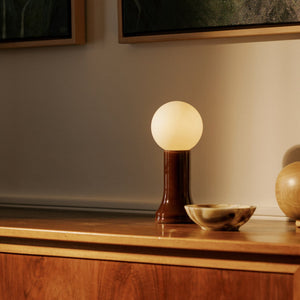
When a filing cabinet functions like a credenza or console, ambient lighting can help it feel integrated with the room. A lamp softens the storage piece and makes it feel less like office equipment. A recycled glass Shore table lamp can add a residential touch to a cabinet surface or nearby accent area.

The goal is not to decorate heavily. One strong lighting element often does more than several small accessories.

Accessories That Prevent Hidden Clutter

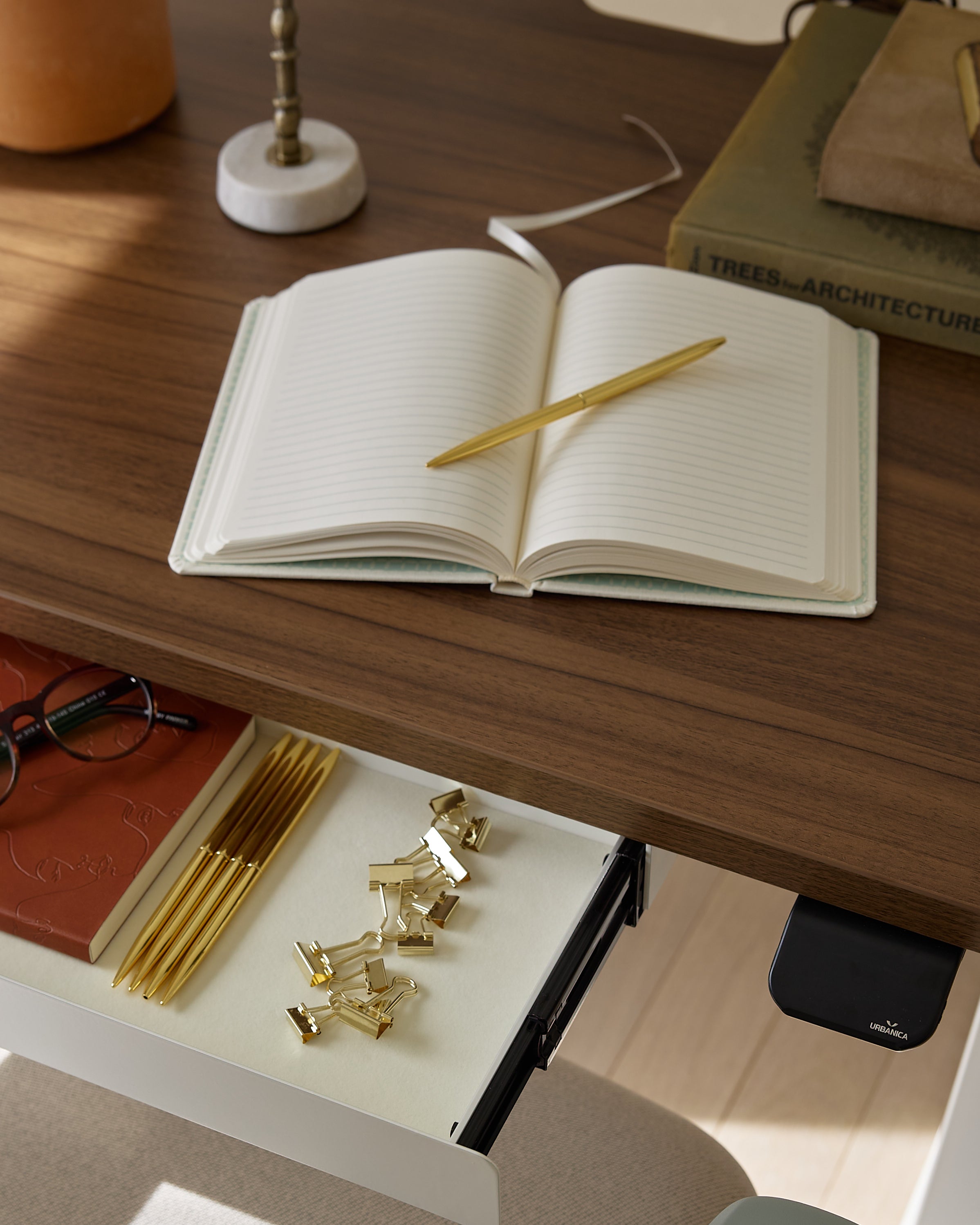
Drawer dividers, labeled folders, small trays, and cable pouches make hidden storage easier to maintain. Without internal organization, drawers can become messy even when the room looks clean.

Use a few simple rules. Separate active files from archives. Keep chargers in one tray or pouch. Label folders clearly. Recycle or shred outdated paperwork. Leave the cabinet top mostly clear so it does not become a second inbox.

Pairing Filing Cabinets With Desks and Chairs

Proportion Shapes the Whole Workstation

A filing cabinet should match the scale of the workstation. A deep cabinet beside a slim desk may feel bulky. A tiny cabinet beside a large executive desk may look insufficient. The goal is visual balance and practical movement.

Drawer clearance matters too. A cabinet that fits into a corner may still be frustrating if the drawers cannot open fully. Chair movement, walking paths, desk depth, and cabinet placement should all be considered together.

Seating Comfort Affects Storage Placement

The cabinet should support the workday without interfering with posture, movement, or comfort. If it blocks chair rotation or crowds legroom, it will make the office feel less functional. Pairing storage with ergonomic office chairs helps the workstation stay organized while still supporting the body during focused work.

A well-planned office allows the chair, desk, and cabinet to operate as one system. The desk supports tasks, the chair supports comfort, and the cabinet supports order.

Choosing a Filing Cabinet Style by Work Habit

Paper-Heavy Professionals Need Capacity and Clear Categories

Consultants, accountants, legal professionals, real estate workers, educators, and small business owners may need more filing capacity than casual remote workers. Vertical or lateral cabinets often make sense for these users because they can handle categories, archives, and active project files.

For paper-heavy work, labeling is essential. The cabinet should not simply hold documents. It should make retrieval easy.

Minimalists Need Less Storage, But Better Discipline

People who work mostly digitally still need storage for essential documents. A low-profile two-drawer cabinet may be enough for passports, tax documents, warranties, personal records, and a few active files.

The key is regular editing. Minimal storage works only when unnecessary paper leaves the system. Otherwise, even a small cabinet becomes overfilled.

Creative Workers Need Flexible Drawer Space

Designers, writers, artists, and creative professionals often store sketchbooks, samples, notebooks, devices, references, and project materials. A lateral or mixed-drawer cabinet may work better than a strict file-only layout.

This type of storage should accommodate irregular items. Not every useful object fits into a hanging folder.

Shared Home Offices Need Clear Boundaries

When two or more people use the same office, hidden storage prevents surfaces from becoming contested space. Separate drawers, labels, and lockable compartments can reduce confusion. A shared cabinet can work well when each person has a defined zone and common supplies have their own drawer.

A Storage-First Office That Still Feels Like Home

The best filing cabinet styles for modern home offices are not chosen by size alone. They are chosen by how well they support the room, the work, and the daily habits of the person using them. Low-profile cabinets keep small workstations clear. Mobile pedestals serve flexible routines. Vertical cabinets make use of narrow spaces. Lateral cabinets bring order to visible rooms. Credenza-style cabinets make hidden storage feel fully integrated with home decor.

A modern filing cabinet should hold what matters, hide what distracts, and fit naturally into the surrounding furniture. When storage is planned with the same care as the desk, chair, and lighting, the home office becomes easier to use and easier to live with. The result is a workspace where important documents stay protected, daily tools stay accessible, and the room remains calm long after the workday ends.

Previous article How to Layer a Table Lamp with a Desk Lamp for Better Office Lighting

Leave a comment

* Required fields

Get 10% off your first order

Find the office furniture that’s designed to match your style, comfort, and needs perfectly. Subscribe

My Office

You have unlocked free shipping!

You're saving $29 and unlocked free shipping!


Your cart is empty.
Start Shopping

Contact Us