

























Reception Area Furniture Feels Lighter With a Bistro Table
A bistro table can make reception area furniture feel lighter by reducing visual bulk, improving circulation, and creating a flexible surface...
Learn more
Visit quiz page to see how we makes it easy to create an inspiring workplace


The right desk lamp does more than brighten a work surface. It shapes how an office feels, how focused the desk becomes, and how intentional the full workspace appears. A modern office may need a clean architectural lamp with crisp lines. A minimalist desk may call for a slim, quiet form that keeps the surface open. A warm office may feel more complete with a softly diffused lamp that adds texture, glow, and comfort.
A desk lamp also has to work with everything around it. The desk size, chair silhouette, laptop height, storage, nearby outlets, wall color, and surface material all affect whether a lamp feels natural or out of place. When lighting is chosen as part of the complete workstation, the result feels calmer, more useful, and more visually refined. Thoughtful lighting belongs in the same design conversation as ergonomic furniture pieces for a complete office setup, because every element in the office should support both comfort and visual order.
A desk lamp should be selected with the same care as a desk, chair, or storage piece. Style matters, but proportion, light direction, material, and placement determine whether the lamp truly fits the office.
A small desk can quickly feel crowded when the lamp base is too wide or the shade extends too far into the active work zone. A larger executive desk can make a tiny lamp look weak, even if the lamp is attractive on its own. The goal is balance. The lamp should feel present, but not dominant.
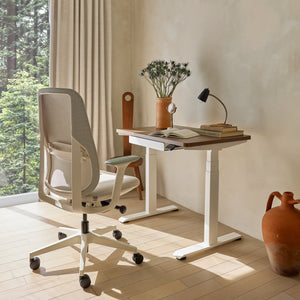
For compact desks, slim stems, clamp bases, and narrow shades usually work best. They leave more room for a laptop, notebook, keyboard, and daily tools. For deeper desks or larger workstations, an articulated task lamp or sculptural table lamp can create a stronger visual anchor. Height matters too. A lamp that sits too low may create shadows across the work area. A lamp that sits too high may cause glare or feel disconnected from the desk.
Desk lamps usually serve one of three purposes: focused task lighting, soft ambient lighting, or a blend of both. Task lighting is ideal for reading, writing, reviewing papers, drawing, and detail-heavy work. Ambient lighting supports mood, reduces the starkness of overhead lighting, and makes an office feel more comfortable during longer work sessions.
A beautiful lamp can still be the wrong choice if the light points in an uncomfortable direction. A bare bulb near eye level can create glare. A shade that is too opaque may look stylish but fail to illuminate the work surface. A lamp with no adjustability may work in one position but become frustrating when the desk layout changes.
Lamp material helps define the room’s personality. Metal often feels modern, structured, and precise. Glass introduces softness and reflection. Fabric shades create gentle diffusion. Matte finishes support quiet, minimalist spaces. Warm-toned metals can soften a room filled with screens, black hardware, and sharp desk edges.
A useful rule is to repeat one design detail already present in the office. A black lamp can echo black chair legs. A brushed metal lamp can connect with monitor arms or desk hardware. A glass lamp can balance the weight of a wood desk. The lamp does not need to match everything, but it should feel like it belongs to the same visual system.
Modern office design favors clarity, contrast, and confident lines. The best desk lamp styles for modern workspaces often have a strong silhouette, purposeful materials, and a sense of precision.
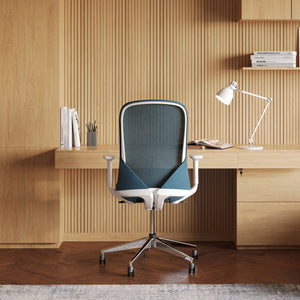
Architectural task lamps are among the most reliable choices for modern offices. They often feature adjustable arms, pivoting heads, slim metal frames, and clean mechanical details. Their visual language feels practical and deliberate, which suits workspaces designed around focus and productivity.
This style works especially well with monitor setups, drafting tasks, reading, and paperwork. A matte black task lamp can create graphic contrast on a light desk. A silver or aluminum finish can feel technical and polished. A white architectural lamp can keep a modern office bright without adding visual weight.
The key is to choose a lamp that looks structured without becoming overly industrial. Too many exposed joints, heavy springs, or bulky arms can make the desk feel more like a workshop than an office. A refined architectural lamp should support the space without overwhelming it.
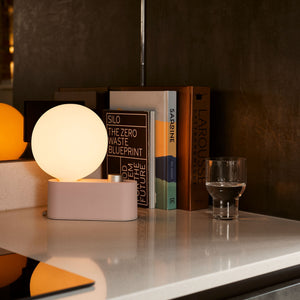
Modern offices do not have to rely only on task lamps. A sculptural LED lamp can act as a visual focal point while still serving a useful lighting role. This type of lamp works best when the rest of the desktop is relatively quiet. A simple desk, uncluttered surface, and neutral wall allow the lamp’s form to stand out without creating chaos.
A multi-use lamp can also make sense in modern spaces where flexibility matters. The Alumina multi-use LED lamp fits naturally into this design conversation because its page presents a lamp form intended for both table and wall use. That kind of flexibility can support offices where lighting needs to feel integrated rather than randomly added.
Modern sculptural lamps should still be chosen carefully. A lamp can be distinctive without being distracting. The strongest options have clear geometry, restrained finishes, and a shape that contributes to the room’s overall composition.
Finish is one of the easiest ways to make a modern desk lamp feel connected to the office. Matte black creates definition and pairs well with white desks, walnut surfaces, and black monitor frames. White feels clean and quiet, especially on lighter workstations. Brushed metal or aluminum can connect with chair bases, desk legs, and tech accessories.
A modern office can handle contrast, but the contrast should look intentional. For example, a black lamp on a pale oak desk can feel sharp and architectural. A metallic lamp on a black desk can keep the space from feeling too heavy. A white lamp on a white desk can create a calm, gallery-like effect when the proportions are right.
Minimalist office design is not about having an empty room. It is about reducing visual noise so the workspace feels clear, useful, and easy to maintain. A minimalist desk lamp should contribute to that calm rather than compete for attention.
Slim desk lamps are ideal for minimalist spaces because they keep the surface open. A narrow stem, compact base, and simple shade can provide light without interrupting the desk’s clean lines. This is especially helpful in home offices, apartment workstations, and laptop-based setups where every inch of surface space matters.
Minimalist lighting works best when paired with other space-saving tools. A lightweight laptop stand can help elevate the screen and reduce visual crowding on the desk, while a slim lamp keeps the lighting zone from spreading across the work surface. Together, these pieces support a more vertical, organized desk arrangement.
A slim lamp does not need to look fragile. The best minimalist options feel stable, balanced, and well-proportioned. The design should appear simple because unnecessary details have been removed, not because function has been sacrificed.
A monochrome lamp can be a strong choice when the goal is visual quiet. A white lamp on a white or pale wood desk blends softly into the background. A black lamp against black hardware or a dark desktop can create a seamless workstation. A soft beige, clay, or warm gray lamp can work beautifully in neutral minimalist interiors.
The advantage of monochrome styling is that the lamp does not break the visual field. This makes the desk feel larger and less busy. It also allows other details, such as a chair curve, wood grain, or wall art, to carry the personality of the space.
Minimalist does not mean the lamp must disappear completely. It means every visible detail should earn its place. The form, finish, cord path, switch, and shade should all feel considered.
Clamp lamps and compact-base lamps are especially useful for minimalist office design because they free up surface area. A clamp lamp can attach to the desk edge, keeping the main work zone clear. A compact-base lamp can sit in a back corner without becoming the visual center of the desk.
This approach works well for people who use notebooks, tablets, external keyboards, or drawing tools. The lamp provides light while allowing the center of the desk to remain flexible. It also supports a cleaner composition, especially when cords are routed behind the desk rather than stretched across the surface.
Choose one dominant shape, such as a cylinder, cone, arc, or straight stem.
Keep the lamp base outside the main writing or typing zone.
Match the lamp finish to the desk, chair frame, or monitor hardware.
Avoid visible bulbs that create glare or visual clutter.
Route the cord before adding accessories.
Leave open space around the lamp so it looks intentional.
Warm office design focuses on comfort, tactility, and inviting light. This style works especially well in home offices, creative studios, reading corners, and workspaces that need to feel less clinical.
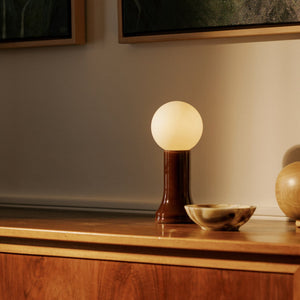
Glass table lamps can make a workspace feel more relaxed and layered. Their reflective and translucent qualities soften the presence of desks, screens, and office equipment. They work beautifully near a desk, on a side surface, on a credenza, or in a reading corner connected to the workspace.
A recycled glass table lamp is especially relevant for warm office styling because the linked product page centers on a glass lamp design rather than a purely technical task light. This type of lamp can help create atmosphere around the work zone, particularly when the room needs a gentler glow beyond direct desk lighting.
Glass lamps are most effective when they are not forced to do every lighting job. They may be better for ambient support than detailed task work, depending on shade design and bulb choice. In a warm office, pairing a glass lamp with a focused task lamp can create a more complete lighting plan.
Fabric shade lamps bring softness to an office because they diffuse light rather than casting it sharply. They are useful for reading, journaling, relaxed laptop work, and evening use. A fabric shade can also reduce the hard visual effect of monitors and metal desk accessories.
The scale of the shade matters. A wide shade may feel cozy in a larger room but bulky on a small desk. A narrow drum shade or tapered shade can offer softness without taking over the surface. Neutral fabrics such as linen, ivory, oatmeal, taupe, or warm gray often pair well with wood desks and upholstered chairs.
Brass, bronze, champagne, and muted gold finishes can warm up a modern office without making it feel old-fashioned. These finishes pair well with walnut, oak, black, cream, and beige. They also create a bridge between clean office furniture and softer residential details.
A warm metal lamp works best when the finish is repeated subtly elsewhere. This might be through a drawer pull, picture frame, chair accent, or small accessory. The goal is not to fill the office with metallic details. It is to create a small rhythm that makes the lamp feel connected.
Different office styles call for different lighting decisions. The table below compares the most practical lamp directions for each design approach.
| Office Design Direction | Best Lamp Silhouette | Best Materials | Best Light Quality | Ideal Workspace Fit | What to Avoid |
|---|---|---|---|---|---|
| Modern office design | Architectural, angular, sculptural | Metal, matte finishes, glass accents | Crisp and controlled | Executive desks, tech setups, design studios | Overly ornate shades or bulky traditional bases |
| Minimalist office design | Slim, compact, low-profile | Matte metal, monochrome finishes | Clean and unobtrusive | Small desks, laptop stations, neutral rooms | Large bases, visible cords, decorative clutter |
| Warm office design | Rounded, shaded, glass, softly sculptural | Glass, fabric, brass, bronze, wood tones | Diffused and comfortable | Home offices, reading zones, creative spaces | Harsh glare, cold bulbs, overly industrial forms |
Modern desk lamps can sometimes make an office feel sterile, especially when paired with cool bulbs, glossy surfaces, black hardware, and bright white walls. The solution is not necessarily to abandon the modern look. Instead, soften one layer. Use a warmer bulb, add a wood surface, introduce a textured chair, or include a secondary lamp with diffused light.
A minimalist lamp should be quiet, but not careless. If the lamp looks too basic, the office may feel unfinished. Better proportion, a more refined finish, or a slightly sculptural shade can add character while keeping the workspace calm. Minimalist design depends heavily on quality of form because there are fewer details to hide behind.
Warm office lighting can become too decorative when the lamp is chosen only for mood and not for work. A large shade may block the desk. A soft ambient lamp may not provide enough light for reading. A warm finish may look inviting but still need a practical beam direction. The best warm office lamp supports comfort and function at the same time.
Even the most attractive desk lamp can lose its design impact if cords are tangled, visible, or stretched awkwardly across the desk. Power access is a major part of lamp styling because lighting depends on placement, and placement depends on available outlets.
Modern and minimalist offices rely on visual order. A lamp cord running across the work surface can interrupt that order immediately. Warm offices also benefit from cord control because clutter can make a cozy room feel messy rather than relaxed.
Cord planning should happen before the desk is fully styled. Place the lamp where the light works best, then route the cord along the back edge, down a desk leg, through a grommet, or behind the monitor area. Avoid letting the cord cross the main work zone.
For dedicated offices, integrated power can help keep the desk surface cleaner. A built-in desk charging module is contextually relevant when the goal is to keep outlets and charging access close to the workstation without relying on distant wall plugs. This supports a cleaner lamp setup because the cord path can be shorter and more intentional.
Built-in power works especially well when the desk layout is stable. It suits offices where the lamp, monitor, laptop, and daily devices usually remain in the same positions. The result is less visual disruption and a stronger sense that the workspace was planned as a whole.
Not every office needs permanent built-in power. Some workstations change frequently, and some desks need a simpler way to keep outlets accessible. A clamp-on power outlet for desks can support flexible lamp placement because it keeps power closer to the surface without requiring the same type of integrated installation.
This type of solution can be useful in shared offices, rented workspaces, and home offices where the desk may move. It also helps reduce the temptation to stretch cords across walkways or desktop areas.
| Desk Layout | Best Cord Strategy | Best Lamp Placement |
|---|---|---|
| Desk against a wall | Route cords along the rear edge | Back corner or monitor-adjacent |
| Floating desk | Run cords down one rear leg | Side edge with a clean drop path |
| L-shaped desk | Concentrate cables in the inside corner | Opposite the dominant writing hand |
| Shared workstation | Keep power accessible but controlled | Outer corners or clamp-mounted zones |
A lamp’s position affects both comfort and design. The right placement can reduce shadows, prevent screen glare, and make the desk feel more balanced.
For people who write by hand, sketch, annotate, or review printed documents, lamp placement can reduce shadows. Right-handed users often benefit from placing the lamp on the left side of the desk. Left-handed users often benefit from placing it on the right. This keeps the hand from blocking the light as it moves across the page.
This rule is not absolute. Screen position, desk shape, and room lighting may change the best location. Still, it is a strong starting point for practical desk lamp placement.
Glare can make even a stylish lamp uncomfortable. The light source should illuminate the work surface without shining directly into the eyes. Adjustable shades, angled heads, and dimmable settings can help control the beam.
For screen-heavy work, the lamp should not point directly at the monitor. Reflections on glossy screens can cause visual strain and make the desk feel poorly arranged. Side placement usually works better than placing a bright lamp directly behind or in front of the screen.
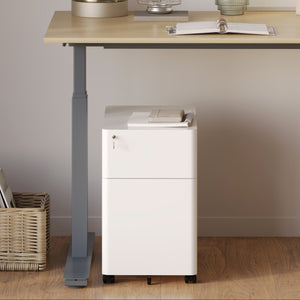
A lamp needs visual space around it. When paper stacks, folders, receipts, and office supplies crowd the base, the lamp becomes part of the clutter rather than part of the design. A storage piece such as compact office file storage can help move paperwork away from the desktop and preserve a cleaner lighting zone.
Storage and lighting are closely connected. The less visual clutter surrounding the lamp, the more intentional the lamp appears. This is true for modern, minimalist, and warm offices alike.
The lamp style is only half of the decision. Bulb temperature, brightness, and light control determine how the office feels in daily use.
Warm white light feels cozy and relaxed. It works well in warm offices, home workspaces, and evening settings. Neutral white light feels balanced and practical, making it a strong choice for daily desk work. Cool white light can feel crisp, but it may become harsh in a room that is meant to feel soft or residential.
The best choice depends on the office’s design language. A modern office may benefit from neutral light that keeps the desk sharp and clear. A minimalist office may work best with neutral-to-warm lighting that feels calm without becoming dim. A warm office usually benefits from a softer bulb that supports comfort.
Work changes throughout the day. A lamp that feels right for morning reading may feel too bright during late afternoon screen work. A setting that feels comfortable at night may not be strong enough for reviewing documents. Adjustable brightness helps one lamp respond to different tasks.
Dimming is especially useful in hybrid spaces. A home office may serve as a work zone during the day and a reading or living area in the evening. A lamp with adjustable output allows the room to shift moods without needing a full lighting change.
For designers, makers, artists, stylists, and anyone reviewing materials, the quality of light matters. Poor lighting can distort the appearance of fabrics, finishes, paint colors, packaging, and product samples. A lamp used for creative work should provide clear, balanced illumination rather than only decorative glow.
This does not mean every office needs highly specialized lighting. It means creative workspaces should prioritize lamps that make colors and details easier to evaluate. A warm decorative lamp may set the mood, but a balanced task lamp may still be needed for precision.
A desk lamp looks best when it is coordinated with the full workspace. The surrounding furniture, accessories, and surface materials determine whether the lamp feels integrated or isolated.
Wood desks pair well with glass, brass, bronze, warm white, and matte black. White desks work beautifully with white, silver, pale neutral, or black lamps. Black desks can support bronze, silver, black-on-black, or smoked glass. Mixed-material desks usually benefit from a lamp that repeats one existing finish.
The goal is not perfect matching. A workspace often looks more natural when it has a controlled mix of materials. A lamp can either echo an existing detail or soften the dominant material in the room.
A lamp should not compete with the monitor, laptop stand, keyboard, or notebook area. The active work zone should remain clear. The lamp should sit close enough to be useful, but far enough away that it does not interrupt movement.
This is especially important on compact desks. A lamp with a large base may look attractive in photos but become frustrating in daily use. A lamp that blocks a laptop screen or requires awkward reaching will not feel successful, no matter how beautiful it is.
Negative space is one of the simplest ways to improve desk styling. Leaving open surface area around the lamp allows the eye to appreciate its shape. It also makes the desktop feel calmer and more premium.
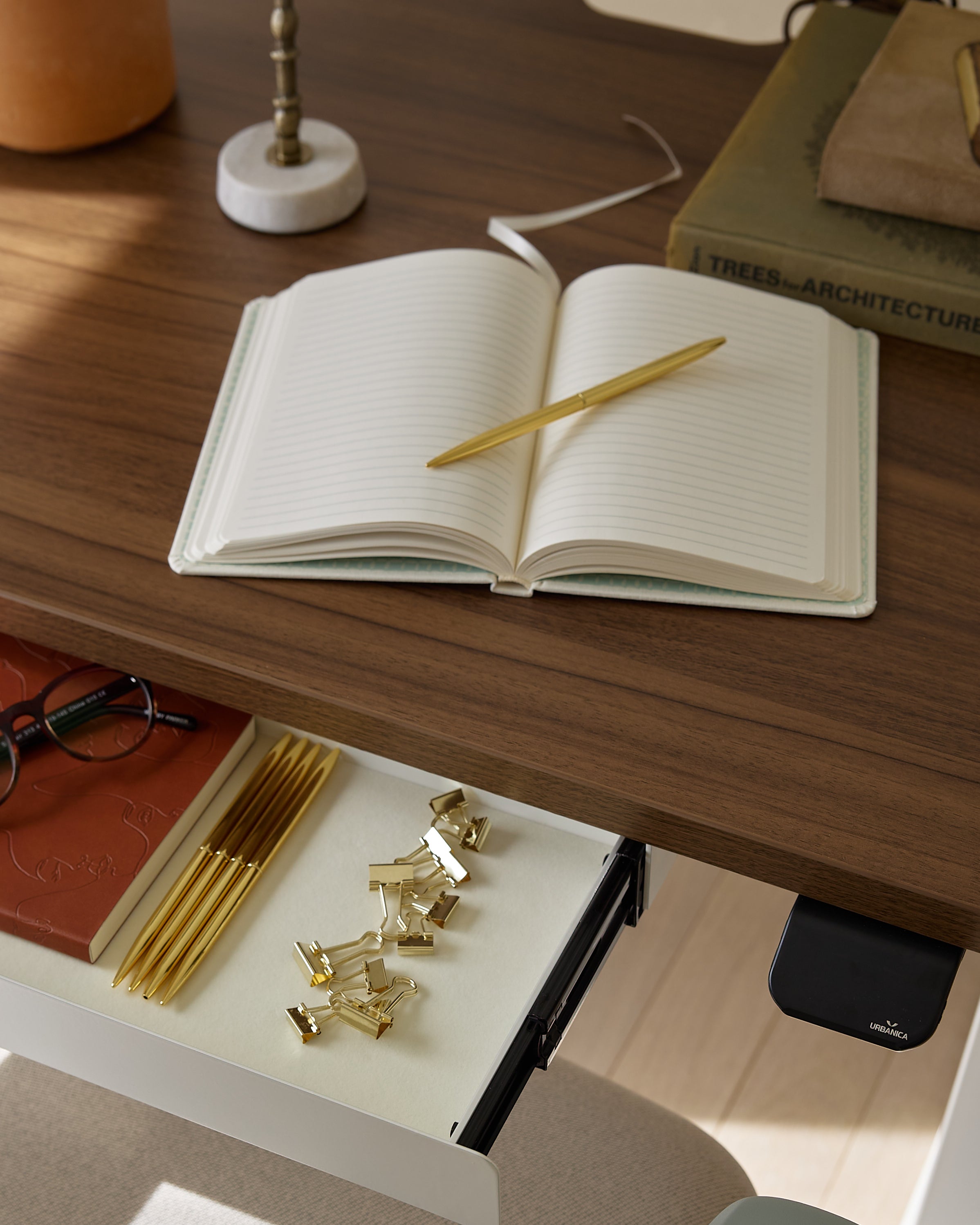
Avoid crowding the lamp with pen cups, stacks of books, speakers, small plants, and trays. A few selected objects can work, but they should not compete with the lamp. When the surrounding space is controlled, the lamp becomes a clear design element rather than another item on a busy desk.
1. Focus zone: The area for keyboard, mouse, notebook, tablet, or active work tools.
2. Light zone: The lamp, switch access, shade direction, and cord path.
3. Support zone: Storage, charging access, laptop elevation, and secondary accessories.
Keeping these zones distinct helps the desk remain functional and visually organized.
The best lamp choice depends on both the look of the office and the way the desk is used. A lamp for reading-heavy work will differ from a lamp for video calls, laptop use, or creative review.
A modern executive office usually benefits from an architectural task lamp or a refined sculptural lamp. The lamp should feel confident, stable, and proportional to the desk. Matte black, brushed metal, or restrained metallic finishes often work well.
The goal is not to create a dramatic centerpiece at the expense of function. The best executive desk lamp supports focused work while reinforcing the room’s authority and clarity.
A minimalist home office benefits from a slim lamp, compact-base lamp, or clamp-style lamp. The best choice keeps the work surface open and avoids unnecessary detail. A monochrome finish can help the lamp blend with the desk, while a subtle contrast can add definition.
For laptop-based work, a minimalist lamp should be easy to position around screens and accessories. The lamp should support the routine without demanding attention.
A warm creative studio can benefit from glass lamps, fabric shades, warm metal finishes, and softly rounded forms. These elements make the workspace feel more human and less equipment-driven. They also pair well with wood surfaces, tactile materials, books, samples, and art.
Creative spaces often need layered light. A soft lamp can establish atmosphere, while a more focused lamp supports detailed tasks. The combination makes the studio both comfortable and practical.
Hybrid workspaces often shift between video calls, laptop work, reading, and evening use. An adaptable lamp with adjustable brightness, a compact footprint, and a controlled beam can serve these changing needs.
For video calls, diffused side lighting is often more flattering than harsh overhead light. For focused work, directional lighting helps keep the desk clear and usable. For evening tasks, a warmer, dimmer setting can make the space feel less intense.
| Primary Use | Best Lamp Style | Main Priority |
|---|---|---|
| Reading and paperwork | Adjustable task lamp | Shadow control |
| Laptop work | Slim or compact lamp | Surface space |
| Video calls | Diffused side lamp | Softer face lighting |
| Design work | Balanced task lamp | Color clarity |
| Evening work | Warm dimmable lamp | Comfort and mood |
A desk lamp can improve a workspace quickly, but a few common mistakes can make the office feel less polished.
A lamp that looks beautiful but does not provide useful light may become frustrating. Decorative appeal matters, but the lamp still needs to serve the work performed at the desk. The strongest choice balances shape, material, light direction, and comfort.
A cool bulb can make a warm office feel clinical. A very warm bulb can make a modern office feel dim or muddy. A bright exposed bulb can undermine a minimalist space by creating glare. The bulb should support the same atmosphere as the lamp style and the surrounding furniture.
Cord planning should not be an afterthought. Once the desk is styled, cords become harder to hide. Decide where the lamp should sit, where the outlet access should be, and how the cord will travel before placing accessories around it.
A desk lamp needs room to breathe. Too many objects around the base can make the desk look accidental. A cleaner surface allows the lamp’s form, finish, and light effect to stand out.
The best desk lamp style is not defined by trend alone. It is defined by the kind of office atmosphere the space needs to create. Modern offices benefit from structure, crisp lines, and controlled contrast. Minimalist offices need slim proportions, quiet finishes, and careful cord management. Warm offices come alive through soft diffusion, tactile materials, and inviting glow.
A strong desk lamp choice supports the entire workspace. It respects the desk size, coordinates with furniture materials, keeps the active work zone clear, and provides light that feels comfortable throughout the day. When the lamp’s style, placement, and light quality work together, the office feels more focused, more personal, and more complete.


You have unlocked free shipping!
You're saving $29 and unlocked free shipping!
Leave a comment